Pressure builds inside us all, and every burst finds a way out. The real question is where that energy chooses to go next.
Life builds pressure. Stress, emotions, even creativity—all of these carry energy that needs to be released. Without an outlet, you either explode or collapse under overload.
Some people find their outlet in art, music, or writing. Others in prayer, exercise, or deep talks with real people. But sometimes, it ends up in unhealthy outlets like ranting online, hurting others, or shutting down.
An outlet isn’t an escape—it’s a release point, a way to stay grounded and human. Like an electrical system, you’re not weak for needing one. You’re just wired that way—not weird, wired.
So ask yourself: where does all your energy go?
And is that outlet helping you live—or draining you more?
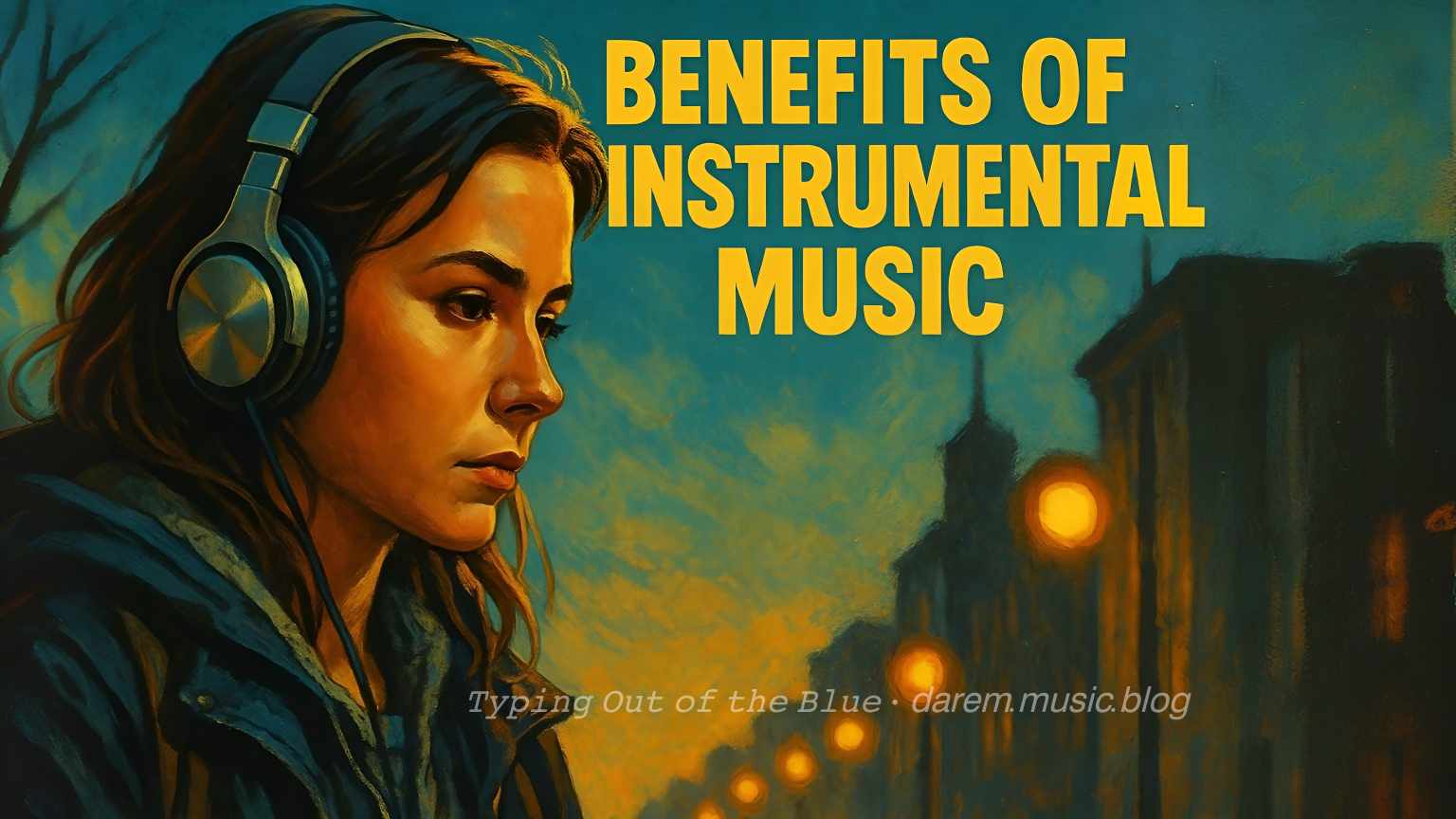
Instrumental music sharpens focus, eases stress, and sparks creativity—all while keeping the purity of sound.
Picture this: it’s late, coffee’s gone cold, and you’re staring at a screen trying to focus. Or maybe it’s morning, and you just want a calm start before the day’s noise kicks in. You hit play, and the room fills with music—no words, just sound. Suddenly, you can breathe, think, and move better. That’s the quiet power of instrumental music.
1. Focus and Concentration
Instrumental music sharpens focus and sustains concentration, making it a go-to for studying, working, or relaxing.
2. Emotional Impact
Without lyrics, it lets listeners connect personally, offering calming, inspiring, or uplifting experiences.
3. Freedom from Negative Messages
No words means no conflicting or harmful messages—just pure sound.
4. Versatility
From classical and jazz to ambient and electronic, instrumental music adapts to any mood or setting.
5. Added Warmth Through Wordless Vocals
Some tracks use humming, ooohs, or aaahs as textures. Others use vocables—short, wordless syllables like “la la la” or “na na na.” They add warmth and rhythm while keeping the purity of instrumental music.
6. Stress Relief
Slow and gentle instrumentals, especially classical or ambient, ease tension, lower stress, and help the body relax.
7. Creativity Boost
Without the pull of lyrics, instrumental music leaves space for ideas to flow—perfect for artists, writers, and innovators.
Tempo Matters Too
The effect also depends on tempo. Slow tracks calm and relax, while upbeat ones energize and motivate. Choosing the right pace makes the benefits even stronger.
The choice between instrumental and lyrical music depends on your preferences and the context in which you’re listening. If instrumental music helps you feel more at peace or aligns better with your values, it can be a great choice.
Karaoke track while working or studying? Nah. You’ll just end up singing along and not finishing your work.
𝚃𝚢𝚙𝚒𝚗𝚐 𝙾𝚞𝚝 𝚘𝚏 𝚝𝚑𝚎 𝙱𝚕𝚞𝚎 • 𝖽𝖺𝗋𝖾𝗆.𝗆𝗎𝗌𝗂𝖼.𝖻𝗅𝗈𝗀
The Undoing Interlude • Darem PlacerAn electronic instrumental album in 432 Hz centered on self-reflection and navigating the sentimental journey of contemplating life’s missed opportunities.