Move quietly through life. There is no need to react to everything. Let things pass when they must.
Walk forward even when the path is not clear. Not everything needs to be understood at once.
Stay calm before things take shape. Clarity arrives in its own time.
Hold steady between what is clear and what remains. Not everything needs to be resolved.
Keep balance at the center. Do not lean too far into noise or silence.
Let movement happen without overthinking. Not every step needs a reason.
Accept that things need not be perfect. Peace can already be enough.
Leave space in your life. Not everything needs to be closed or decided.
What remains is not the noise, but what truly matters.
Allow change to happen. Stay steady even as things shift.
Choose calm and gentle thoughts, even when the world feels wide and uncertain.
Let life flow without forcing limits or control.
After letting go, allow quiet to settle.
Continue forward even when direction is unclear.
Rest when nothing needs to be done. Stillness is part of living.
And in the end, recognize what remained—steady, present, and still.
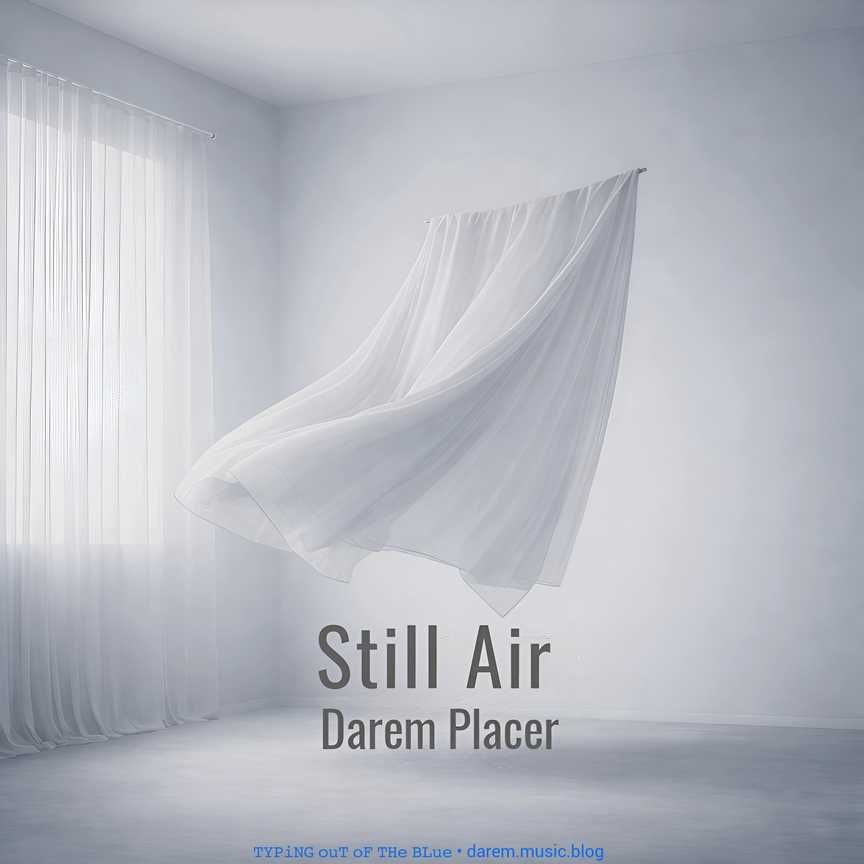
Coming soon on Bandcamp
Tracklist 01. A Place That Doesn’t Ask You to Feel 02. Across Two Unseen Points 03. Before Shapes Emerge 04. Between Light and What Remains 05. Calm Across the Center 06. Drifting Without Asking Why 07. Everything Is Quiet Enough 08. Lines That Stay Open 09. Resonance Alone Remains 10. Shape That Never Settles 11. Soft Voices in an Empty Sky 12. Surface Without Edges 13. The Space After Letting Go 14. Through Unseen Paths 15. Where Nothing Needs to Happen 16. You Stayed
How does the album sound? Imagine drum and choir—a choir member lost his voice, so he plays the drums instead. 🥁🙃
Stress used to be simple—run from danger, hide, survive. Now it’s bills, notifications, deadlines, unread messages, and the quiet pressure to “keep up.” It’s modern noise disguised as progress. It’s what happens when your soul wants silence but your schedule doesn’t.
What Causes Stress
• Control that never really existed. We plan every minute, every move—thinking life will listen. It doesn’t. And every glitch feels like a failure.
• The silent scoreboard. Somehow, we all ended up competing for who’s coping better. We measure peace like it’s a trend.
• The illusion of connection. Thousands of “friends,” no one to call. Everyone typing, no one really talking.
• The fear of being still. Because stillness exposes what we’ve been avoiding. And sometimes, we’d rather drown in noise than face it.
What Stress Causes
Stress doesn’t break you—it bends you into someone you barely recognize. You start laughing less. You forget to taste your coffee. You scroll before you think. Then it gets worse. You start performing calmness while your insides are screaming. You start saying “I’m okay” like it’s a duty, not a truth. You survive—but you stop living.
The Deal We Don’t See
Every time we say “just tired,” we’re lying. We mean “I’m lost,” but it sounds too heavy to admit. So we package our exhaustion neatly and move on, convincing ourselves this is adulthood. It’s not. It’s surrender disguised as strength.
What It’s Really Saying
Stress is the mind’s protest against a life that forgot its rhythm. It’s your body begging you to stop pretending this speed is normal. It doesn’t want comfort—it wants honesty. And maybe the only cure is to finally listen to what your silence has been trying to say.
Restorative Photography Series —Images that Quiet the Mind
Stress scatters focus and drains peace. Our senses take the hit first—eyes overstimulated, thoughts overloaded. These photos are designed to restore what stress wears down—clarity, calm, and attention.
Inspired by Attention Restoration Theory (ART), this series uses light, color, and space to re-engage the brain’s quiet mode. Each image is crafted to slow the mind’s rush and remind the body how calm feels.
How to Use These Photos
• Pause, don’t scroll. Look at one photo for at least 30 seconds. Let your eyes rest and your thoughts settle.
• Breathe with it. Match your breath to the stillness in the image. Slow in. Slow out.
• Simply observe. Notice the light, the shapes, the silence—without trying to explain them.
• Repeat when heavy. The more often you pause, the faster your mind remembers calm.
These aren’t just pictures. They’re small windows that open back to peace.
🏞 Nature Landscapes
Photos of fields, mountains, trees, sky, water. It’s hard to feel anxious while enjoying a perfect view.
Nature photos are the most proven type for lowering stress because they have a direct effect on the brain, known as the biophilic response, which is the natural calm we feel in nature.
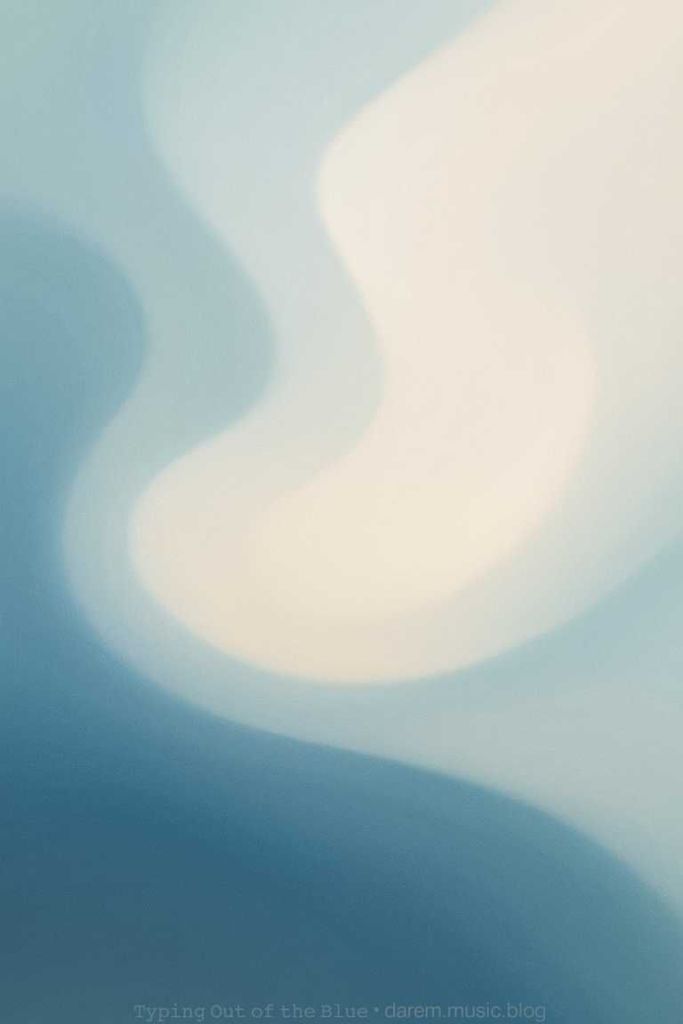
🎨 Abstract Flow Art
Soft shapes, gentle curves, and colors that blend like smoke or water. They relax the visual cortex, especially shades of blue, green, and beige.
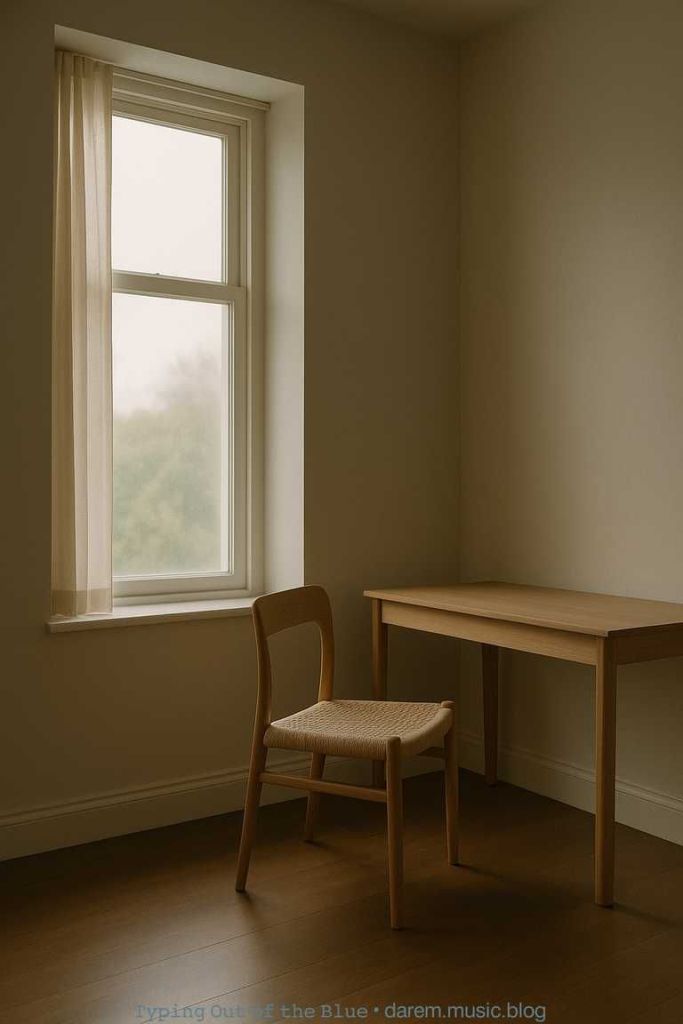
🪞 Minimal Interiors
Photos of quiet rooms—dim light, one chair, empty desk, clean window. They give a sense of order and breathing space when your mind feels cluttered.
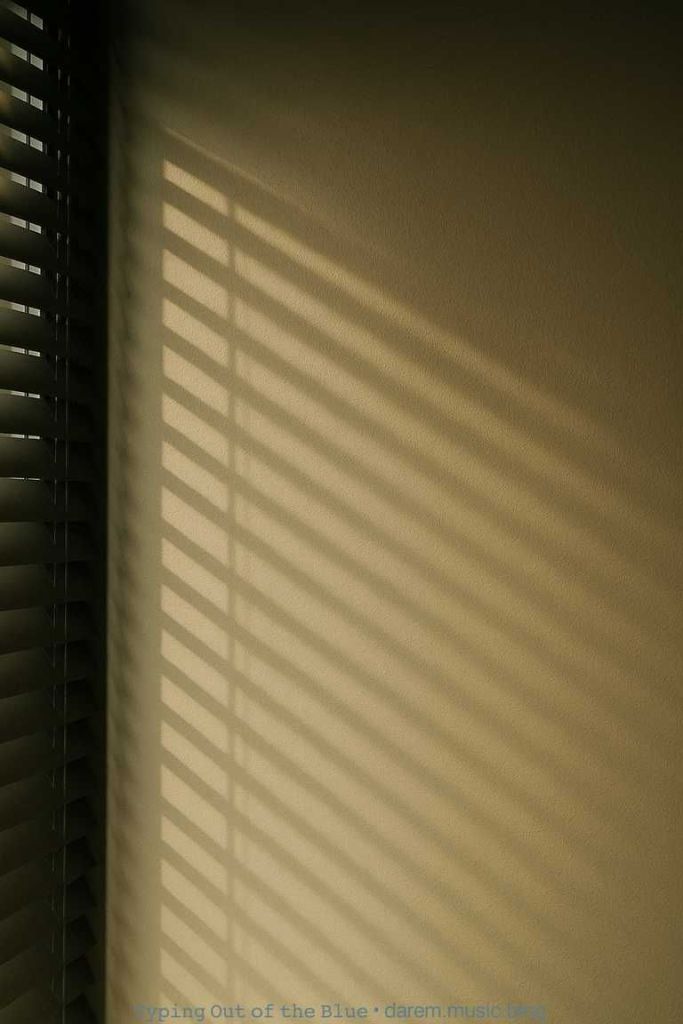
🕯 Light & Shadow Studies
Photos that capture still moments—like light hitting a wall or morning rays through blinds. Simple, but hypnotic.
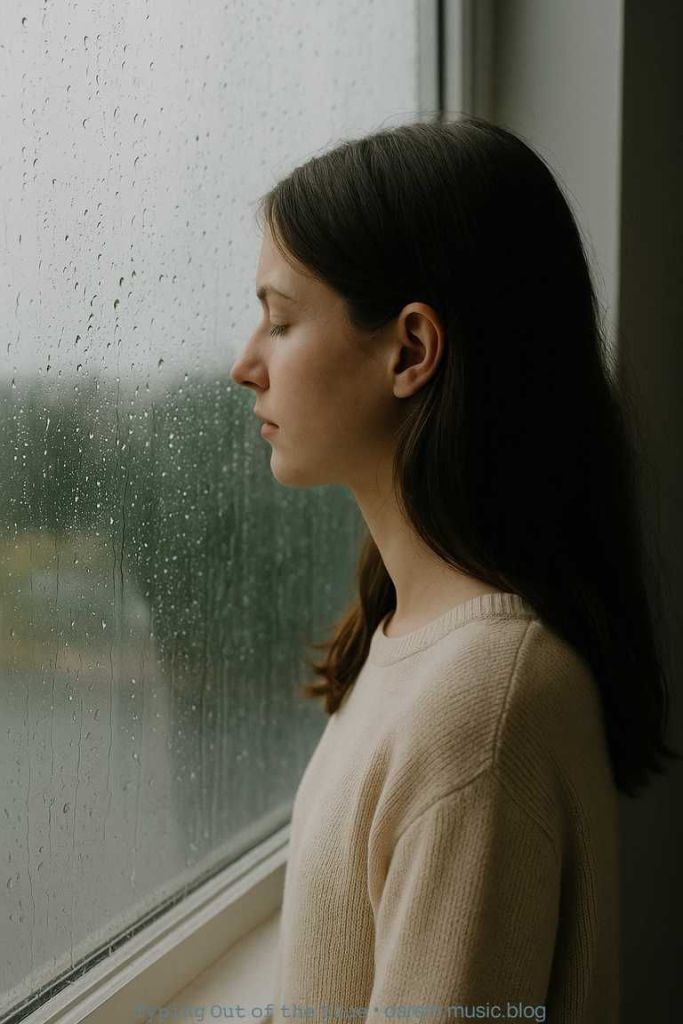
👤 Portraits in Reflection
Faces turned away, looking at rain, window glass, or horizon. These images activate empathy without overstimulation—your mind mirrors the calm posture.
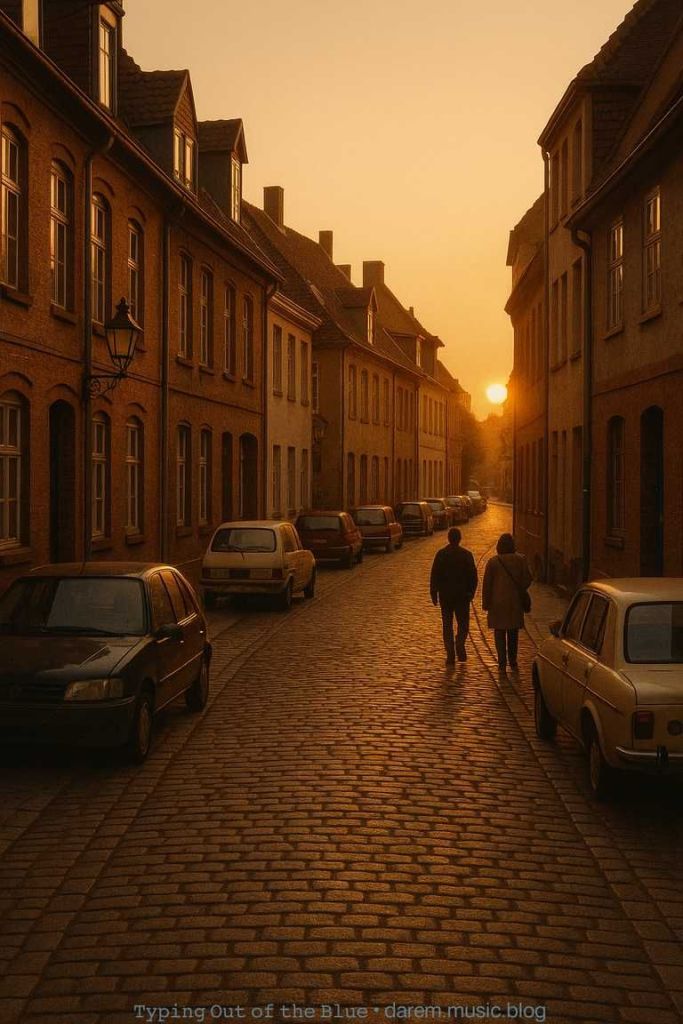
📚 Nostalgic Scenes
Old streets, film-grain cafés, or warm 90s tones. Nostalgia reduces stress because it reconnects you with times your brain labels as “safe.”