Water is Life

Water feels unlimited—until it isn’t. What we waste today, we may need tomorrow.

World Water Day • March 22

Water is easy to ignore.

It is always there. It flows when we need it. It feels unlimited.

Until it is not.

There are days when the supply stops, and everything slows down. Cooking waits. Cleaning waits. Even simple routines feel heavy.

That is when we realize how much of life depends on something we barely notice.

Water is not just for drinking.

It is in the food we prepare. The clothes we wash. The spaces we keep clean. It keeps daily life moving without asking for attention.

And yet, it is often wasted without a second thought.

A faucet left running. A hose flowing longer than needed. Clean water used carelessly, as if it will never run out.

But water is not infinite.

It comes from sources that need to be protected. It needs time to be cleaned, stored, and delivered. Every drop has a journey.

So treating water like it is nothing slowly turns it into something we might lose.

Use only what is needed. Turn it off when not in use. Fix leaks. Avoid waste where it can be avoided.

Because when something is always available, it is easy to forget its value.
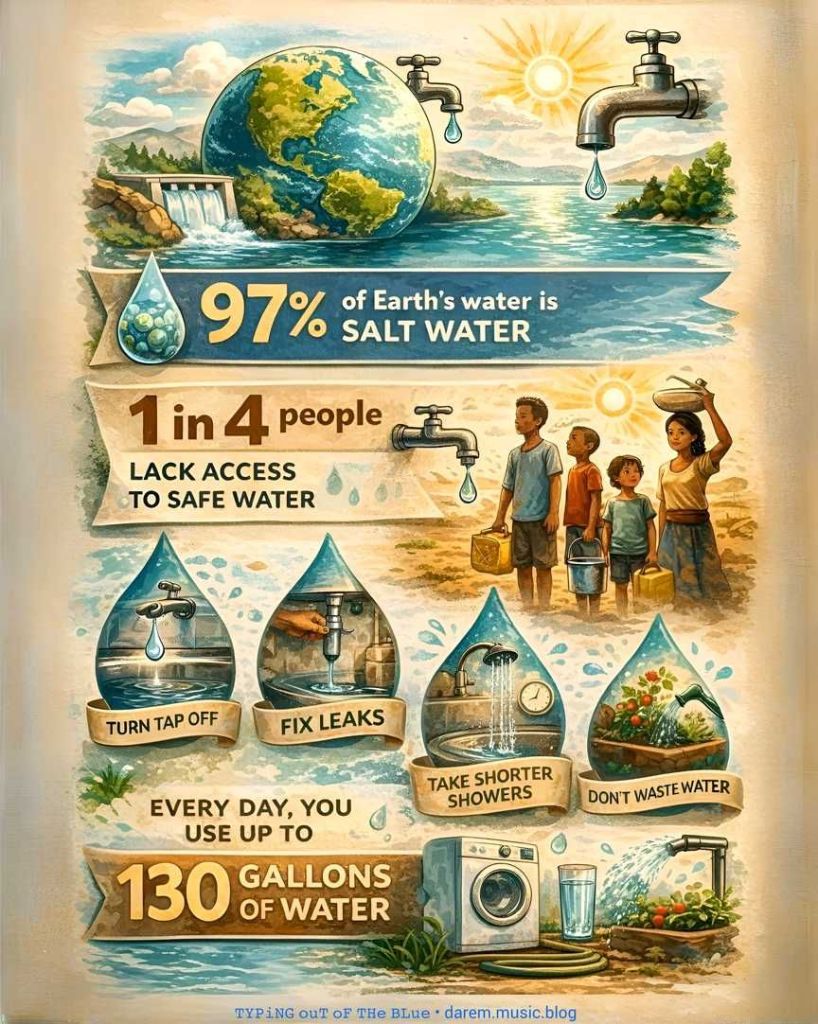
Every drop counts. Not someday. Now.

⌨ ᴛʸᵖⁱⁿᵍ ᴏᵘᵗ ᵒᶠ ᵗʰᵉ ʙˡᵘᵉ ᵈᵃʳᵉᵐ ᵐᵘˢⁱᶜ ᵇˡᵒᵍ

Darem Placer on YouTube Music

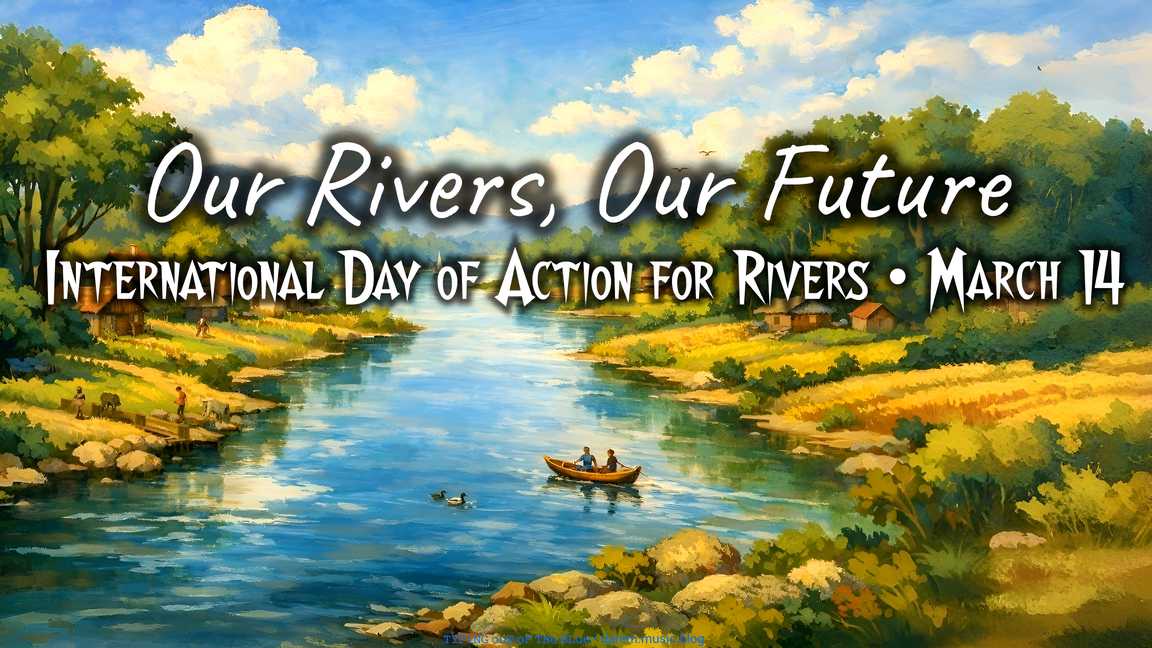
Our Rivers, Our Future

Rivers built civilizations and still sustain life today. Protecting them protects the future of communities and ecosystems.

International Day of Action for Rivers • March 14

Rivers are among the oldest lifelines of civilization. Long before highways and power grids, rivers carried people, food, trade, and stories across regions and generations. Cities grew beside them. Farms depended on them. Entire cultures formed around the rhythm of flowing water.

Even today, rivers quietly support daily life. They supply drinking water, irrigate crops, sustain fisheries, and provide habitats for countless species. A single river system can nourish millions of people and ecosystems along its path.

But many rivers now face growing pressure. Pollution from waste and chemicals, deforestation along riverbanks, and poorly planned development projects continue to strain waterways. When rivers are damaged, the effects move quickly downstream. Communities lose clean water. Wildlife loses habitat. Flooding and drought become harder to manage.

Protecting rivers is not only about environmental concern. It is also about human survival, food security, and public health. Clean rivers support agriculture, strengthen ecosystems, and help communities withstand changing climate patterns.

Across the world, people are taking part in river cleanups, restoration projects, and conservation efforts. These actions may look small on their own, but together they help restore the balance between people and the waters that sustain them.

Rivers have carried human history for thousands of years. The responsibility now is simple: care for them so they can continue to carry life forward.

⌨ ᴛʸᵖⁱⁿᵍ ᴏᵘᵗ ᵒᶠ ᵗʰᵉ ʙˡᵘᵉ ᵈᵃʳᵉᵐ ᵐᵘˢⁱᶜ ᵇˡᵒᵍ