National Zero Waste Month: When a Good Idea Went Quiet

National Zero Waste Month still exists in law, but in real life, it quietly faded as waste continued to pile up.

For those who’d rather listen.

Every January, the Philippines marks National Zero Waste Month. It exists in law and appears in calendars, but most people hardly notice it.

Declared in 2008, it was meant to teach simple habits—reduce, reuse, recycle. Less trash. Cleaner surroundings. For a short time, it worked. Schools did activities. Barangays talked about separating waste. Posters told people where their trash should go.

Then it slowly disappeared.

January is a hard month. After Christmas and New Year, people are tired. There is more trash than usual. Money is tight. Energy is low. This is not the time when people want lectures about changing habits.

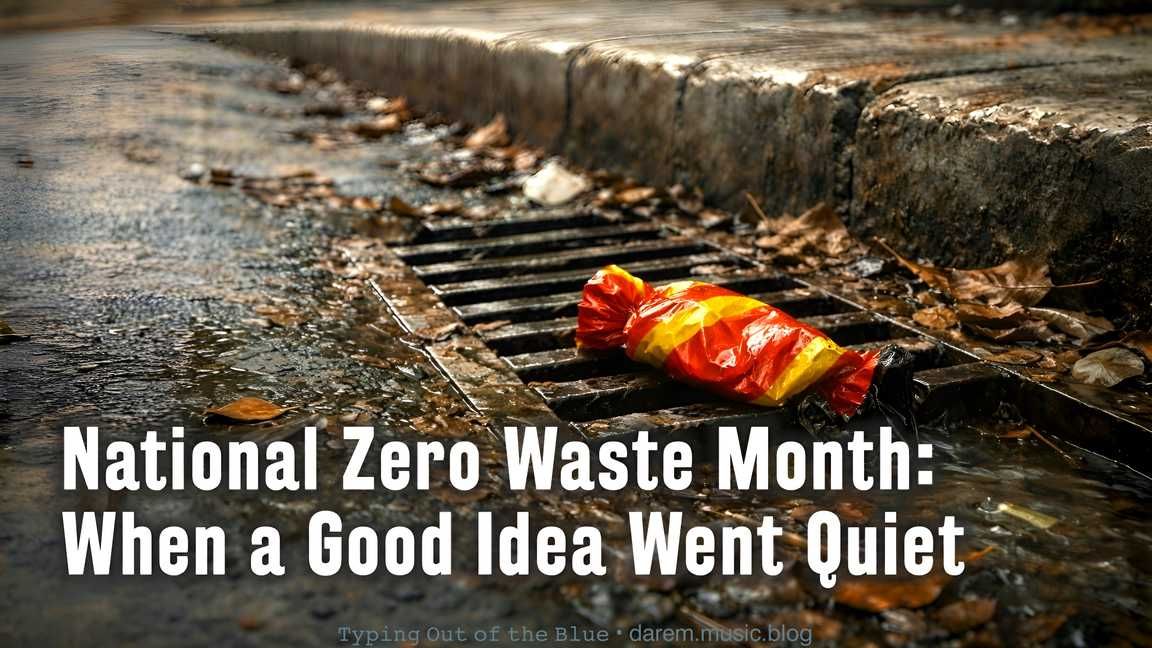
Over time, people stopped noticing the month itself. What they notice now is the trash—when it piles up on streets, blocks drains, or smells in the heat. Sometimes it feels like the candy wrapper on the road is more aware of its own existence than the month meant to reduce it.

The name stayed, but the effort became weaker. What remained were reminders on paper. What disappeared was the feeling that January asked people to do something different.

Zero waste was never meant to be symbolic. It was meant to be practical—something done every day. Now it survives mostly as a title. Legal, but not lived.

It was not removed. It was simply left behind.

The idea was not wrong. The timing, and the follow-through, were.

January keeps coming. The trash keeps piling up.
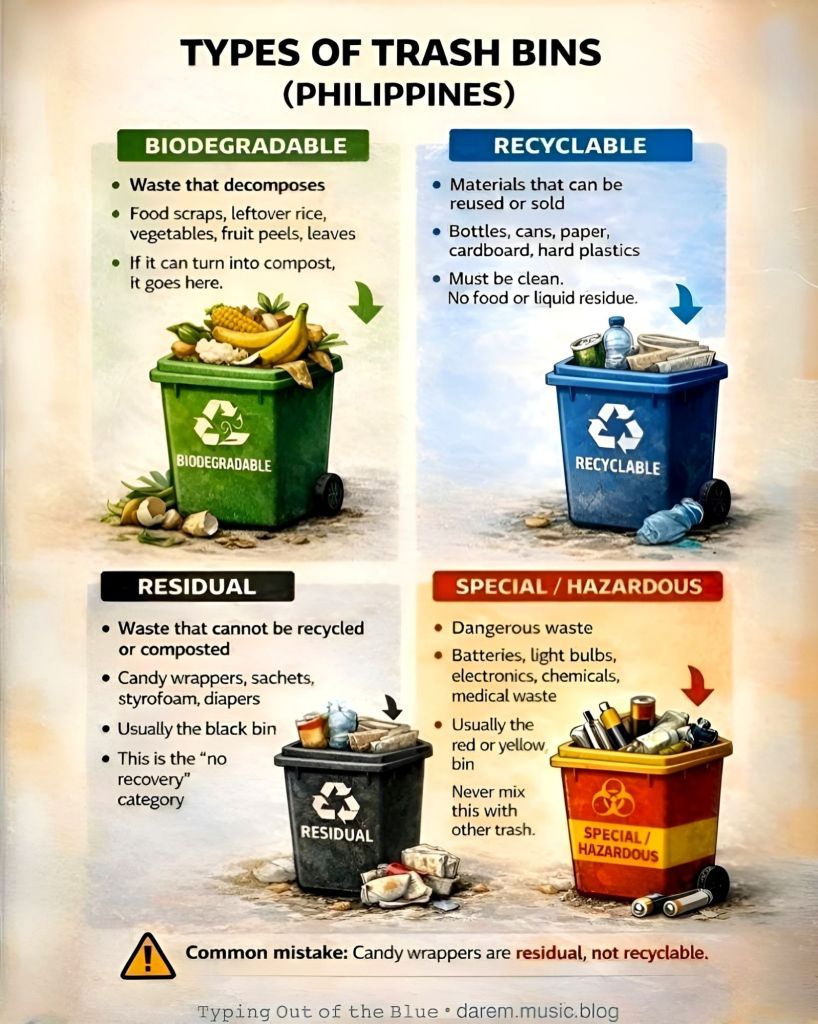
Small trash. Big effect. Especially when it’s in the wrong bin.

⌨ ᴛʸᵖⁱⁿᵍ ᴏᵘᵗ ᵒᶠ ᵗʰᵉ ʙˡᵘᵉ ᵈᵃʳᵉᵐ ᵐᵘˢⁱᶜ ᵇˡᵒᵍ

Digital Albums by Darem Placer on Bandcamp
Listen. Buy. Download.

Trees Will Not Save Us—But They Still Matter

Climate change is not a planting problem. So what actually works?

There is a popular idea that says, “Plant more trees and climate change is solved.”

It sounds comforting. But it is not true.

No serious scientist ever said plants can save us from climate change.

What they said was simpler—and more honest: plants help, but only a little.

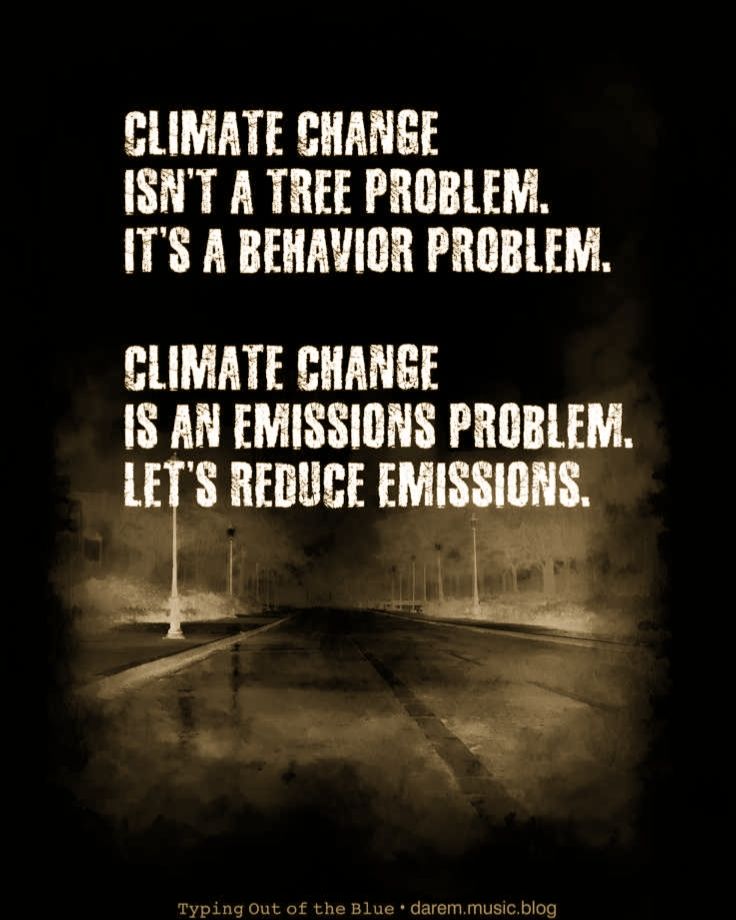
Climate change is an emissions problem.

It comes from fossil fuels, factories, transport, and endless consumption.

Trees cannot absorb carbon faster than humans release it. Even if the planet were filled with trees, as long as emissions continue, we still lose.

Recently, new studies showed that plants actually absorb less CO₂ than climate models once assumed¹.

This corrected an old belief that nature could take in more carbon as CO₂ levels rose.

But this is not the turning point some people think it is.

Even if the old belief were true—even if plants really could absorb much more CO₂—the impact on climate change would still be limited. Human emissions are simply too large and too constant for plants to offset in any meaningful way.

So the new finding does not change the conclusion.

It only removes a false sense of comfort that should never have existed.

So what is the real role of trees?

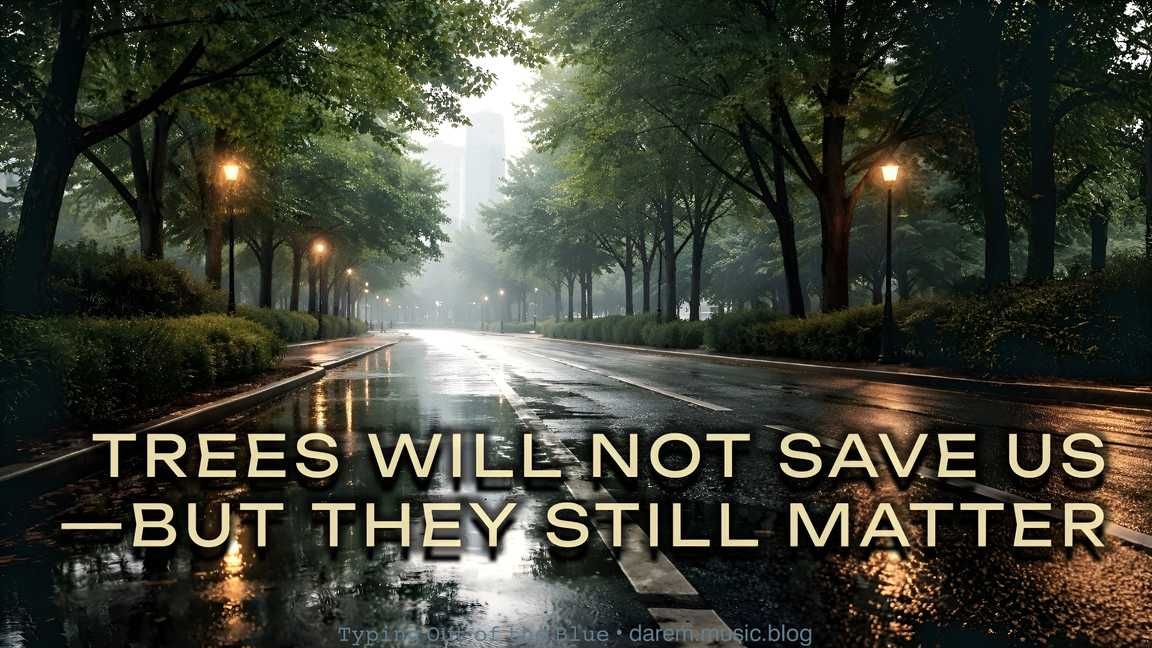
Trees are protectors, not saviors.

They:

  • limit floods
  • hold soil and prevent erosion
  • cool cities
  • protect water systems
  • reduce damage during storms

That is their true strength—local, physical, and immediate.

Think of trees as a shield, not a reset button.

They help us survive the impact—but they do not erase the cause.

So what is the easiest smart thing to do?

  • Use less electricity you do not need.
  • Drive less when walking or one short ride is enough.
  • Buy less, keep things longer.
  • Plant trees, but stop using them as excuses for bad habits.
  • Support rules that limit pollution, even when they are inconvenient.
  • Talk about climate change without panic or preaching—just facts.

Bottom line:

Plant trees, yes.

But cut emissions, always.

Nature helps us cope.

Only humans can choose to change.

¹ Kou-Giesbrecht, S., et al. Nitrogen limitation reduces the CO₂ fertilization effect. PNAS.

⌨ ᴛʸᵖⁱⁿᵍ ᴏᵘᵗ ᵒᶠ ᵗʰᵉ ʙˡᵘᵉ ᵈᵃʳᵉᵐ ᵐᵘˢⁱᶜ ᵇˡᵒᵍ
Digital Albums by Darem Placer on Bandcamp
Listen. Buy. Download.