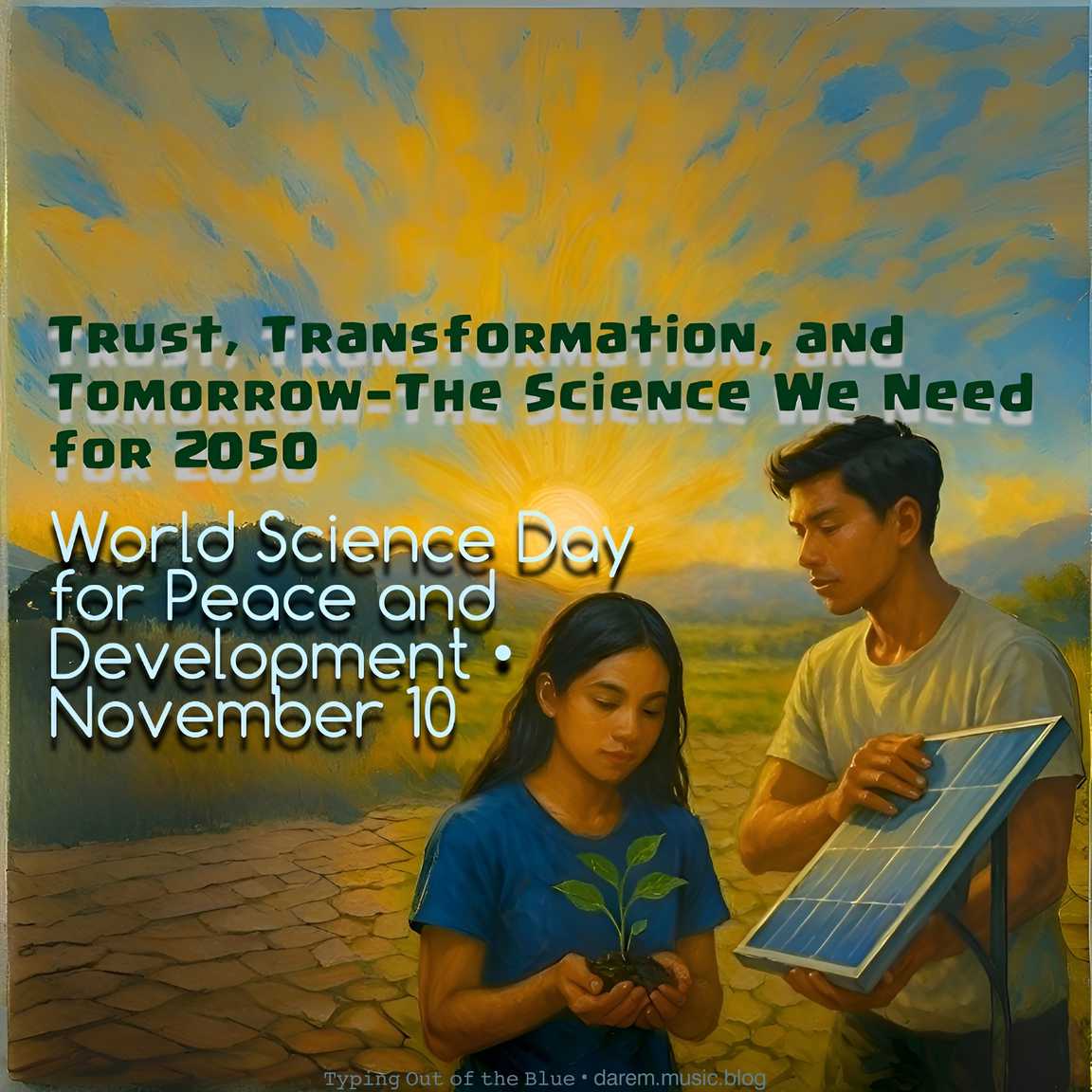
The world is changing fast. By 2050, young minds can use science to repair what’s broken and rebuild peace.
Every November 10, the world celebrates World Science Day for Peace and Development—a reminder that science carries a duty to serve people and protect life.
Trust keeps science alive. People believe in it when it stays honest, fair, and transparent. Truth builds peace.
Transformation turns ideas into action. Real change happens when discoveries reach streets, rivers, farms, and homes—when they heal, protect, and improve daily life.
Today, the world faces climate change, health threats, food insecurity, and the ethics of artificial intelligence. These are not distant problems—they are here now. By 2050, they could either define our downfall or show how far wisdom and compassion can take us.
The Science We Need for 2050 is a call to conscience. The world needs knowledge guided by care and humanity—science that listens before it leads. It must face crises with fairness, courage, and purpose.
World Science Day for Peace and Development reminds us that understanding the world is only the beginning. What we do with that understanding decides its future.
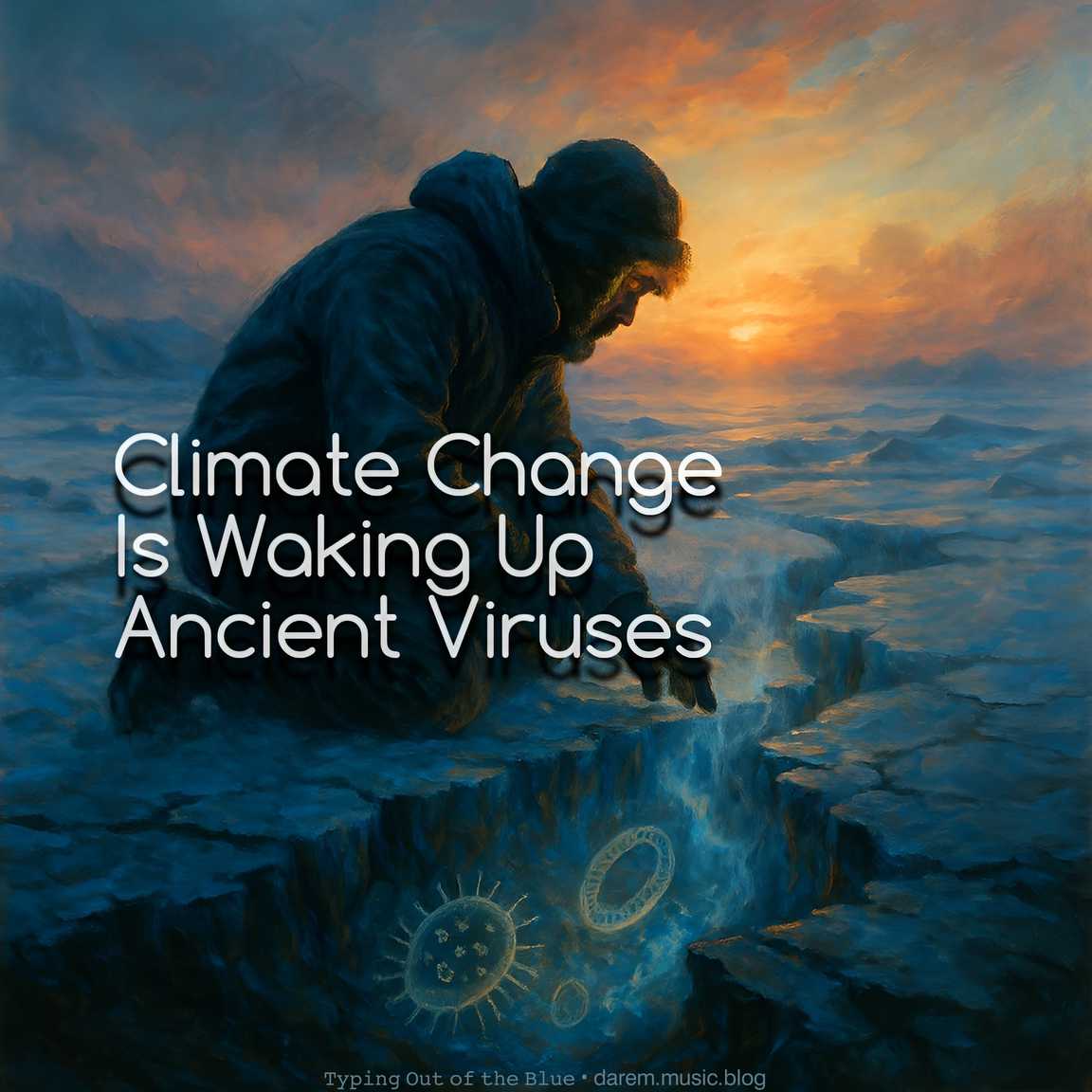
Melting ice is releasing ancient microbes and viruses. The past is waking—and scientists say the world must pay attention.
As the planet warms, something old is stirring beneath the ice.
In the frozen Arctic and distant mountain ranges, scientists are finding ancient microbes and viruses—some frozen for tens of thousands of years. They call them “zombie viruses.” Not because they crawl, but because they never truly died.
🧊 What’s Beneath the Ice
Permafrost, the ground that stays frozen for centuries, is melting faster than ever. Inside it are the remains of plants, animals, and microorganisms from a forgotten world. When the ice thaws, those tiny life forms can wake up again.
In Siberia, researchers revived 13 ancient viruses, including one that’s 48,500 years old and still capable of infecting amoebas.
In the Himalayas, scientists discovered around 1,700 unknown viral species trapped inside glacier ice. They may not infect humans, but they reveal how much life the Earth has been keeping in storage.
⚠️ The Real Concern
The risk to humans is still small—but not zero.
In 2016, melting permafrost in Siberia released anthrax bacteria from a frozen reindeer carcass, infecting both people and animals. That outbreak proved one thing: some threats from the past can still return.
As mining, drilling, and research move deeper into thawing ground, more contact with ancient microbes becomes possible. Each disturbance of the ice opens another page of the planet’s old archive.
🌡 More Than Health
The melting isn’t just a health issue—it’s a climate one.
When permafrost softens, it also releases carbon and methane, powerful greenhouse gases that trap more heat and speed up global warming. The ice is part of Earth’s natural balance; when it breaks, the rhythm changes everywhere.
🔍 What Scientists Warn
Researchers are calling for stronger monitoring and safety systems in melting regions. We can’t refreeze the planet overnight, but we can track what’s emerging and prepare for the possible consequences.
Ignoring the problem doesn’t stop it—it only lets the thaw go unnoticed.
🌱 The Reminder
Climate change isn’t only about heatwaves and rising seas. It’s also about the Earth reopening its old pages.
Every melt reveals something forgotten.
Every discovery reminds us that when we disturb the past, it might just wake up.