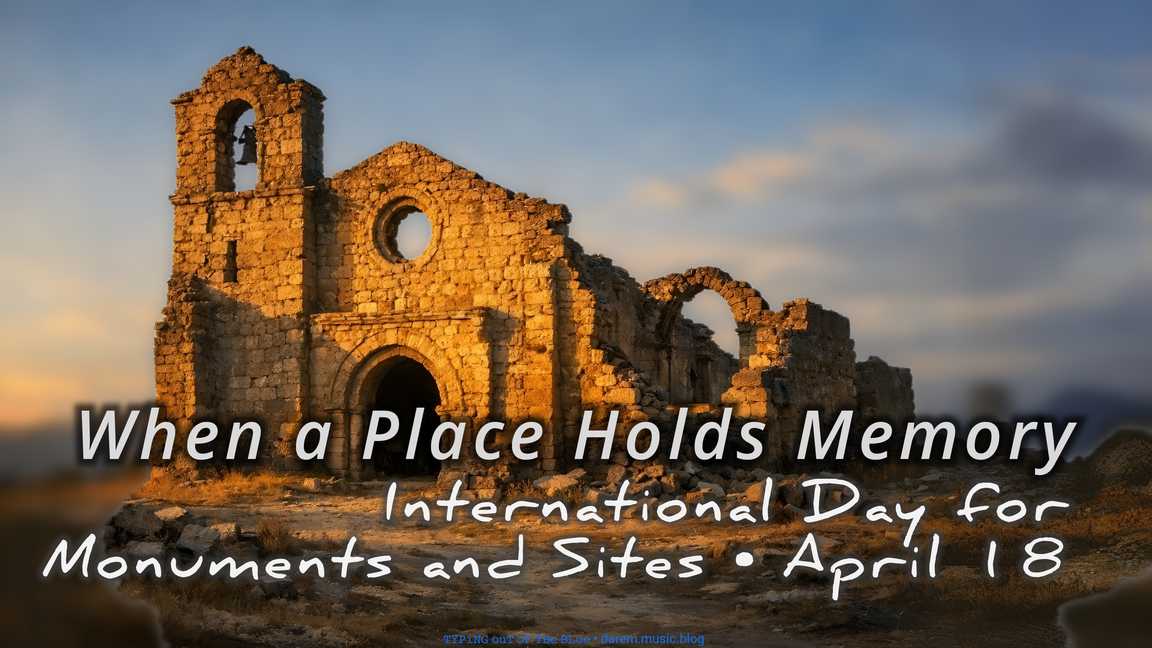
When a Place Holds Memory

Some places look ordinary, but they hold stories we cannot rebuild once they are gone.

International Day for Monuments and Sites • April 18

Some places are easy to walk past. Old walls, quiet ruins, a church that looks like it has seen too much time. We pass them like they are just part of the background.

But they are not.

Monuments and historic sites hold something that cannot be rebuilt once lost. They carry memory. Not just events, but the lives, choices, and faith of people who stood there long before us.

A house where people once gathered in secret. A church where generations prayed. A street that witnessed both struggle and hope.

These are not just locations. They are part of a living story.

Many of these places are not just aging. They are at risk. Conflict, disasters, and neglect can erase them faster than time ever could.

And when that happens, we do not just lose structures. We lose memory.

Today, we are used to fast changes. New buildings replace old ones. Modern spaces take over what came before. Sometimes, that is necessary.

But not everything old should be replaced.

Some things should be kept and protected. Because once they are gone, there is nothing to return to.

We do not need to be historians to care. We just need to see these places differently.

Not as leftovers from the past, but as quiet witnesses that still have something to say.

⌨ ᴛʸᵖⁱⁿᵍ ᴏᵘᵗ ᵒᶠ ᵗʰᵉ ʙˡᵘᵉ ᵈᵃʳᵉᵐ ᵐᵘˢⁱᶜ ᵇˡᵒᵍ
Behind the Anhedonic Walls•Darem Placer

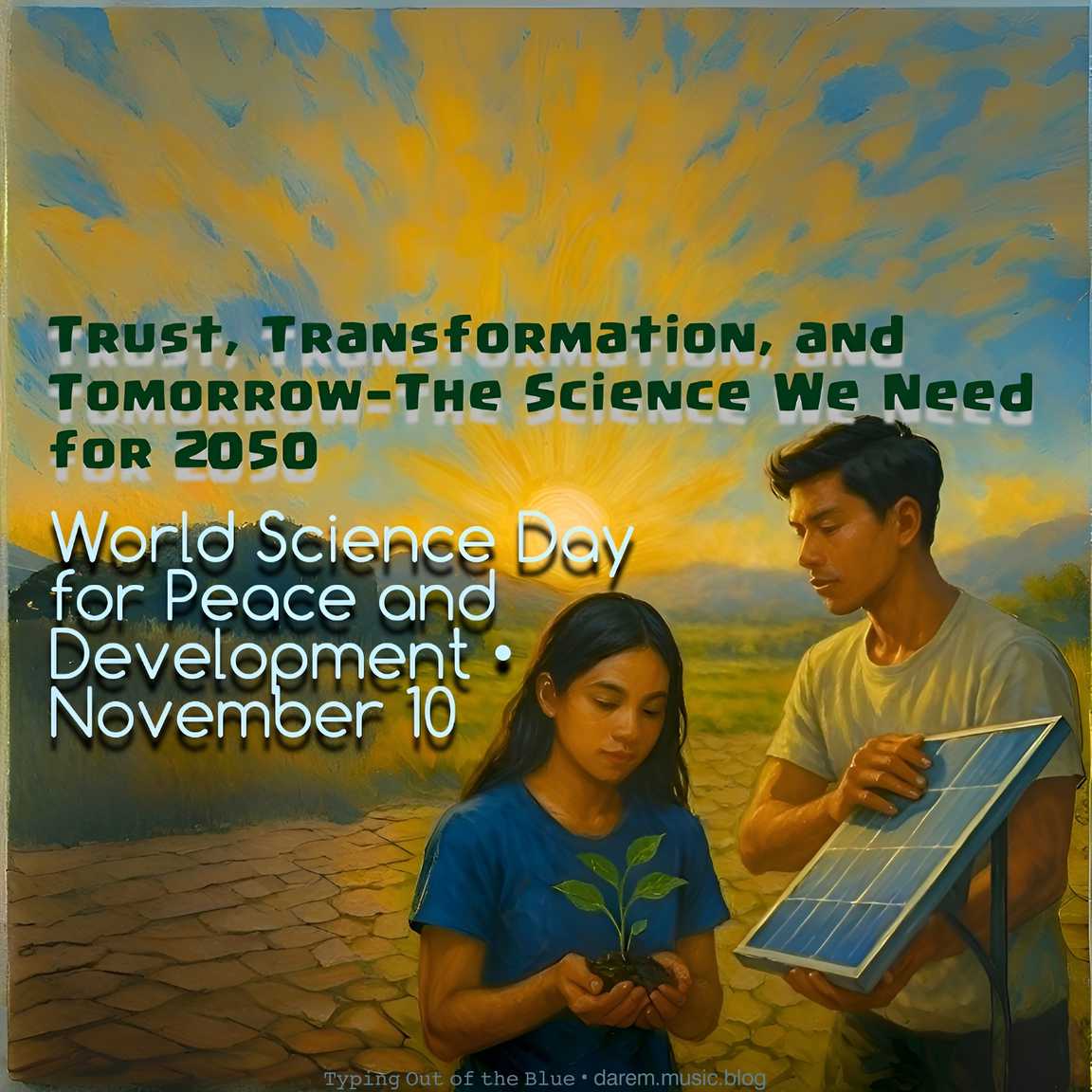
Trust, Transformation, and Tomorrow—The Science We Need for 2050

The world is changing fast. By 2050, young minds can use science to repair what’s broken and rebuild peace.

Every November 10, the world celebrates World Science Day for Peace and Development—a reminder that science carries a duty to serve people and protect life.

Trust keeps science alive. People believe in it when it stays honest, fair, and transparent. Truth builds peace.

Transformation turns ideas into action. Real change happens when discoveries reach streets, rivers, farms, and homes—when they heal, protect, and improve daily life.

Today, the world faces climate change, health threats, food insecurity, and the ethics of artificial intelligence. These are not distant problems—they are here now. By 2050, they could either define our downfall or show how far wisdom and compassion can take us.

The Science We Need for 2050 is a call to conscience. The world needs knowledge guided by care and humanity—science that listens before it leads. It must face crises with fairness, courage, and purpose.

World Science Day for Peace and Development reminds us that understanding the world is only the beginning. What we do with that understanding decides its future.

⌨ ᴛʸᵖⁱⁿᵍ ᴏᵘᵗ ᵒᶠ ᵗʰᵉ ʙˡᵘᵉ ᵈᵃʳᵉᵐ ᵐᵘˢⁱᶜ ᵇˡᵒᵍ
👉 Download Sky-Low on Bandcamp

💿 Just type 0 if you want to download the album for free.

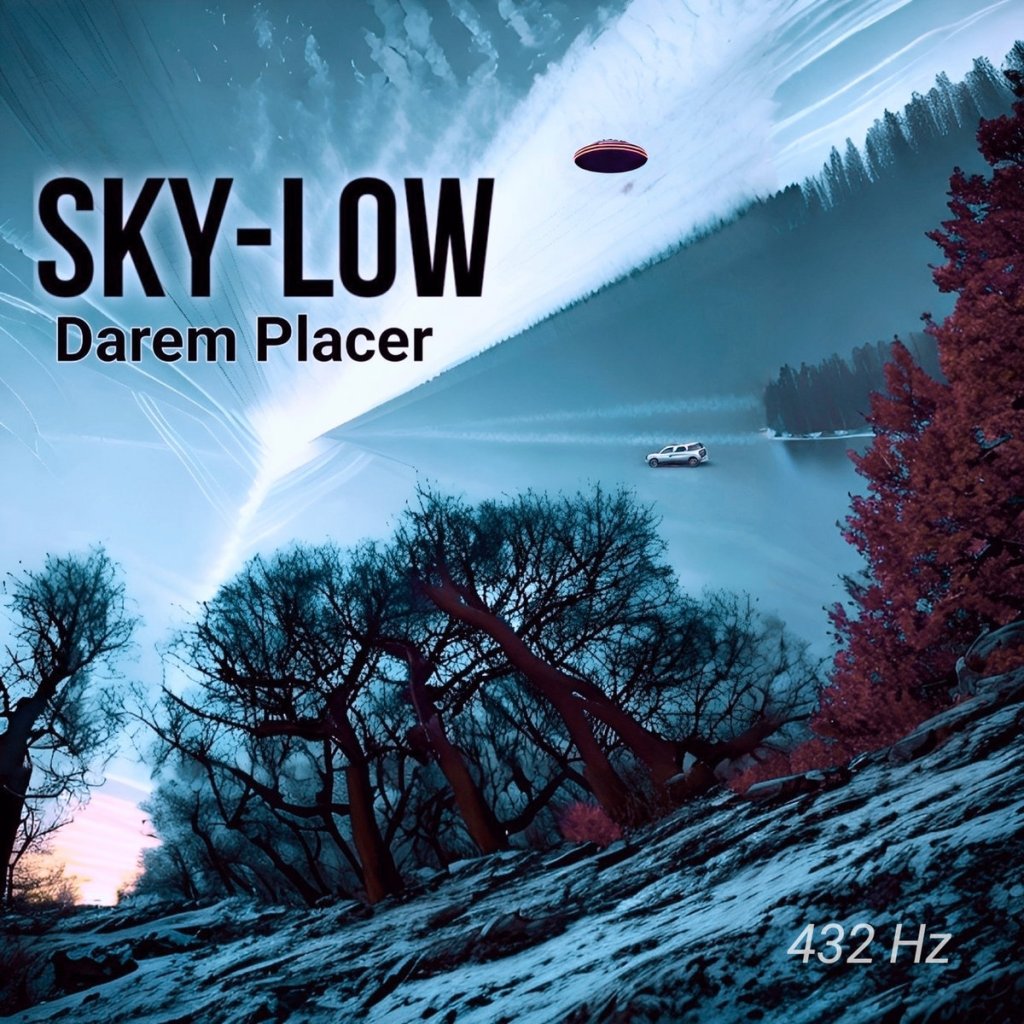
Sky-Low
“Sky-Low” is not just an album—it’s an awareness campaign about climate change and a challenge to protect our planet.