Saint John of Sahagun and the Hard Work of Making Peace

It is easy to choose a side. Building peace takes something far more difficult.

He was a priest in 15th-century Spain, a time when some family feuds lasted for years and violence often seemed easier than forgiveness.

Father John became known as a peacemaker. He defended the poor when they were treated unfairly. He confronted corruption even when powerful people did not appreciate his words. He also worked to reconcile families whose conflicts had divided communities for generations.

Helping people make peace is rarely as simple as asking them to shake hands and move on. Real peace requires truth, justice, and the courage to face wounds that have been left open for a long time.

Father John understood this. He did not ignore wrongdoing in the name of peace. Instead, he spoke honestly and helped people find a better path forward.

The challenges Father John faced still exist today. We may not be caught in medieval family feuds, but we see divisions everywhere. Friends stop talking. Families drift apart. Communities become trapped in arguments.

Saint John challenges us to become peacemakers ourselves. Sometimes that begins with a conversation, an apology, or a decision to stop carrying an old grudge.

The world needs fewer people who win arguments and more people who heal relationships.

Let’s keep learning the saints’ way—day by day.

⌨ ᴛʸᵖⁱⁿᵍ ᴏᵘᵗ ᵒᶠ ᵗʰᵉ ʙˡᵘᵉ ᵈᵃʳᵉᵐ ᵐᵘˢⁱᶜ ᵇˡᵒᵍ
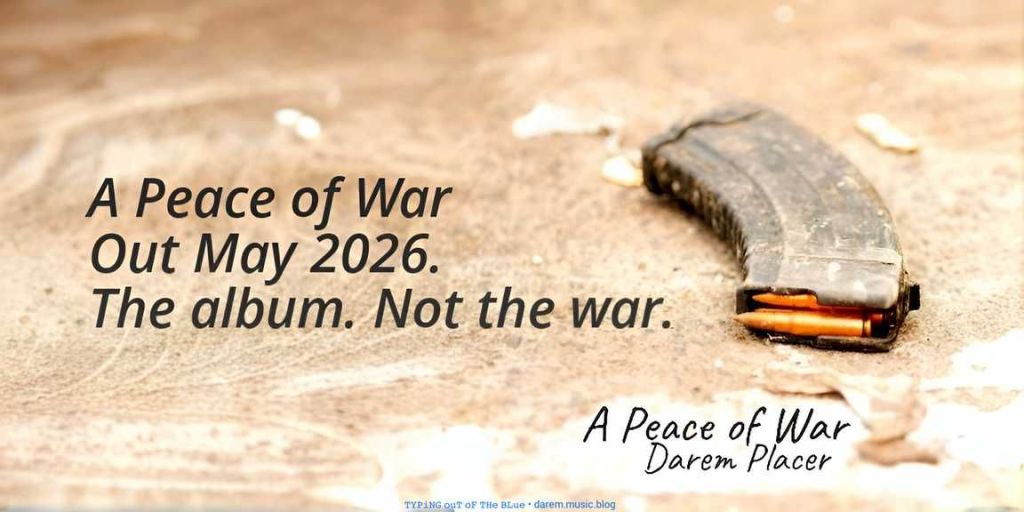
A Peace of War • Darem Placer • Full album. Press play.

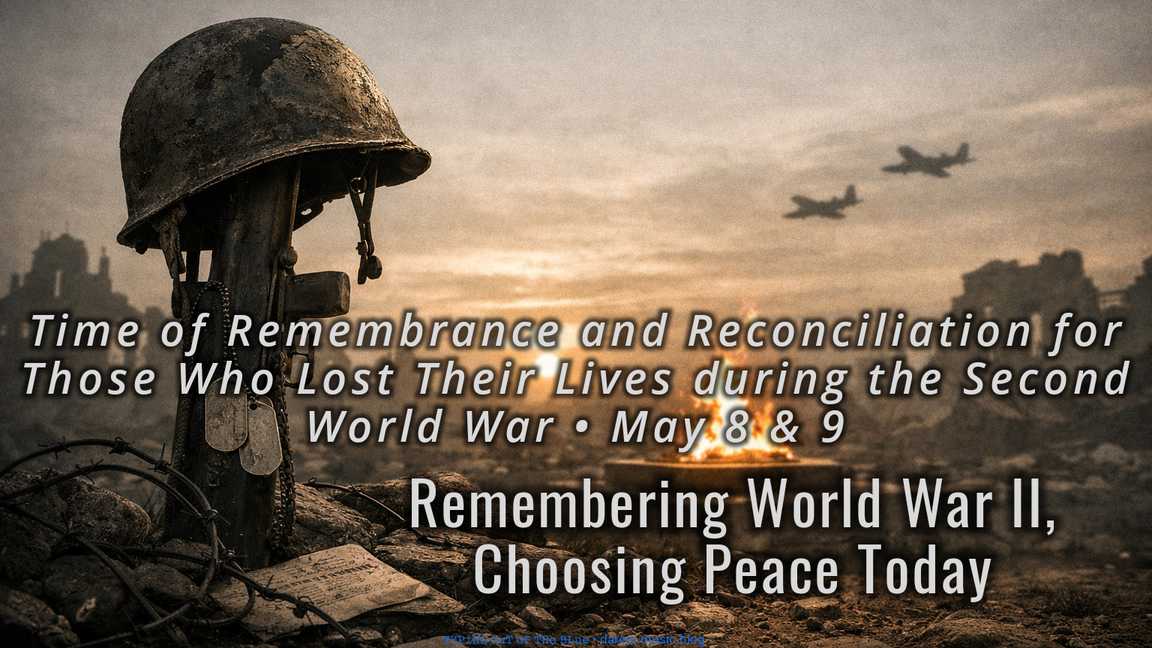
Remembering World War II, Choosing Peace Today

A day that breathes in silence—honoring lives once lost, and whispering the promise of peace we must choose again.

Every year on May 8 and 9, the world pauses. Not loudly. Not with fireworks. Just a quiet, collective breath.

This observance, recognized by the United Nations, honors the millions who died during World War II. Soldiers, civilians, families, entire cities—names known and unknown, stories finished too soon.

War reduces people into numbers. Remembrance restores them as human: a father who never came home, a child who never grew up, a mother who waited by the door until silence answered her.

Reconciliation is harder. It asks former enemies to sit at the same table—not to erase the past, but to choose a different future. No revenge. No rewriting. Just truth, and the decision not to repeat what once broke the world.

Today, we don’t carry rifles. But we carry choices:

•Reject hate even when it’s easy
•Listen instead of divide
•Build instead of burn

Peace is not dramatic. It doesn’t trend. And it isn’t always quiet. Sometimes it needs protest, resistance, and loud voices to keep it alive.

So this day stands as a marker in time. Not to trap us in the past, but to remind us: the cost of war is too high, and we already paid for it.

And if we remember clearly—without shortcuts—maybe we won’t have to pay again.

⌨ ᴛʸᵖⁱⁿᵍ ᴏᵘᵗ ᵒᶠ ᵗʰᵉ ʙˡᵘᵉ ᵈᵃʳᵉᵐ ᵐᵘˢⁱᶜ ᵇˡᵒᵍ