Continue reading “The Last Days of Yamashita in the Philippines”
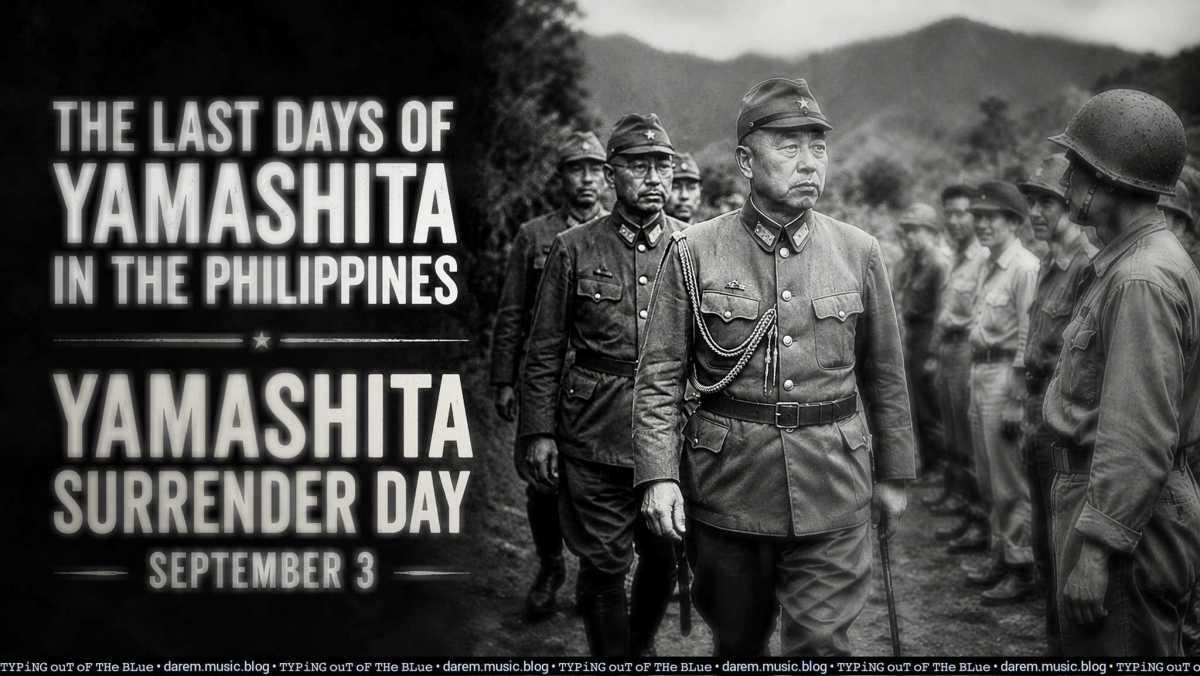
The Last Days of Yamashita in the Philippines
The war in the Philippines, from the return of American forces to the Japanese surrender in Ifugao.

The war in the Philippines, from the return of American forces to the Japanese surrender in Ifugao.
Sometimes the most dangerous ideas are the simplest ones.
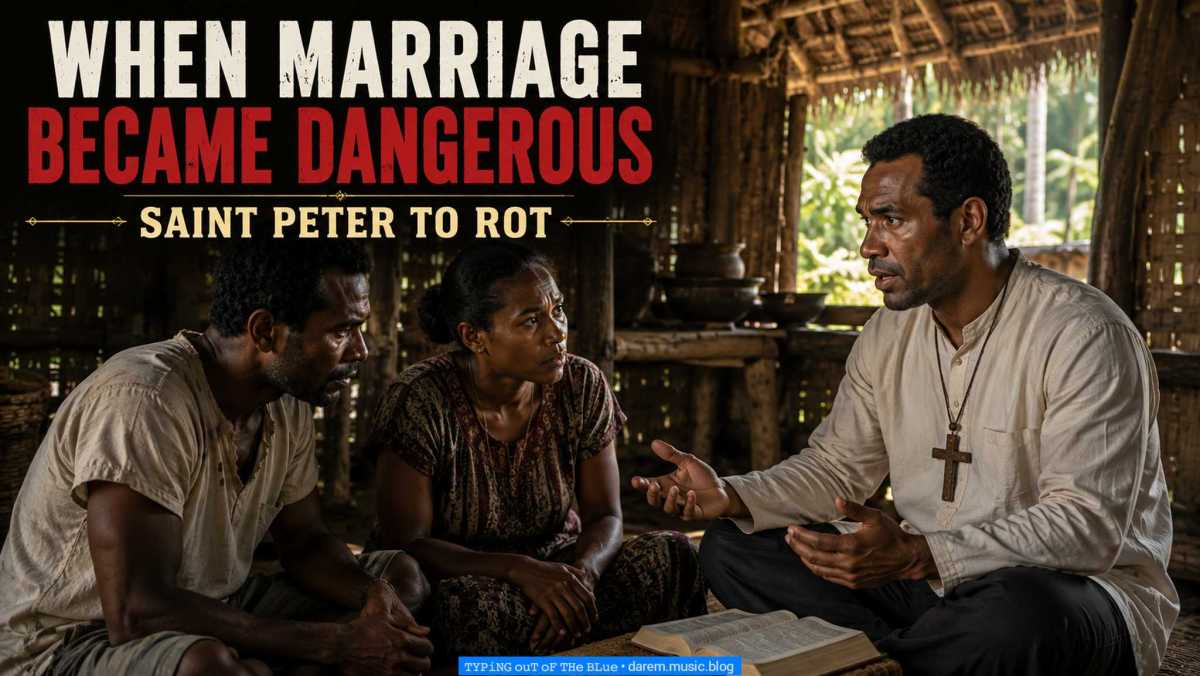
It sounds almost ridiculous. In 1945, a husband, a father, and a village catechist became a dangerous man in the eyes of the authorities in Papua New Guinea, not because he carried a weapon or led a rebellion, but because he kept telling people that a husband should have one wife and a wife should have one husband.
At the time, Papua New Guinea was under Japanese occupation during World War II. Churches were closed, priests were imprisoned, and public worship was restricted. While many people kept their heads down and focused on surviving the war, Peter To Rot organized secret prayer gatherings, taught the faith, prepared couples for marriage, and helped keep the local Church alive while many priests and missionaries sat behind bars.
Then came the issue that put a target on his back. The Japanese authorities allowed polygamy to return in some areas, allowing men to take multiple wives at the same time. Some welcomed the change and others stayed silent, but Peter openly defended Christian marriage and spoke against men taking additional wives. In one case, he even helped a married woman return to her husband after another man tried to claim her as a second wife. That did not make him popular. Soon, it made him a prisoner.
The strange part is what Peter was doing when he was arrested. He was planting vegetables, not for himself, but for Japanese soldiers.
Prison did not change him. His wife begged him to stop his ministry so he could return home safely to their family, but Peter believed that some things were worth holding onto.
Then one day, prison guards told him that a doctor was coming to give him medicine. Peter found that strange because he was not sick. Quietly, he asked his wife and mother to bring his catechist’s cross and his best clothes. Peter suspected that the medicine was not medicine at all. If his suspicions were correct, he wanted to be ready to meet God.
A short time later, he was dead. It was July 7, 1945. He was 33 years old.
The war ended and the empire that imprisoned him disappeared into history. But the quiet catechist they tried to silence became the first saint of Papua New Guinea.
Saint Peter To Rot believed that faith belonged not only inside churches, but also inside homes, marriages, and everyday life.
Let’s keep learning the saints’ way—day by day.
⌨ ᴛʸᵖⁱⁿᵍ ᴏᵘᵗ ᵒᶠ ᵗʰᵉ ʙˡᵘᵉ ᵈᵃʳᵉᵐ ᵐᵘˢⁱᶜ ᵇˡᵒᵍ