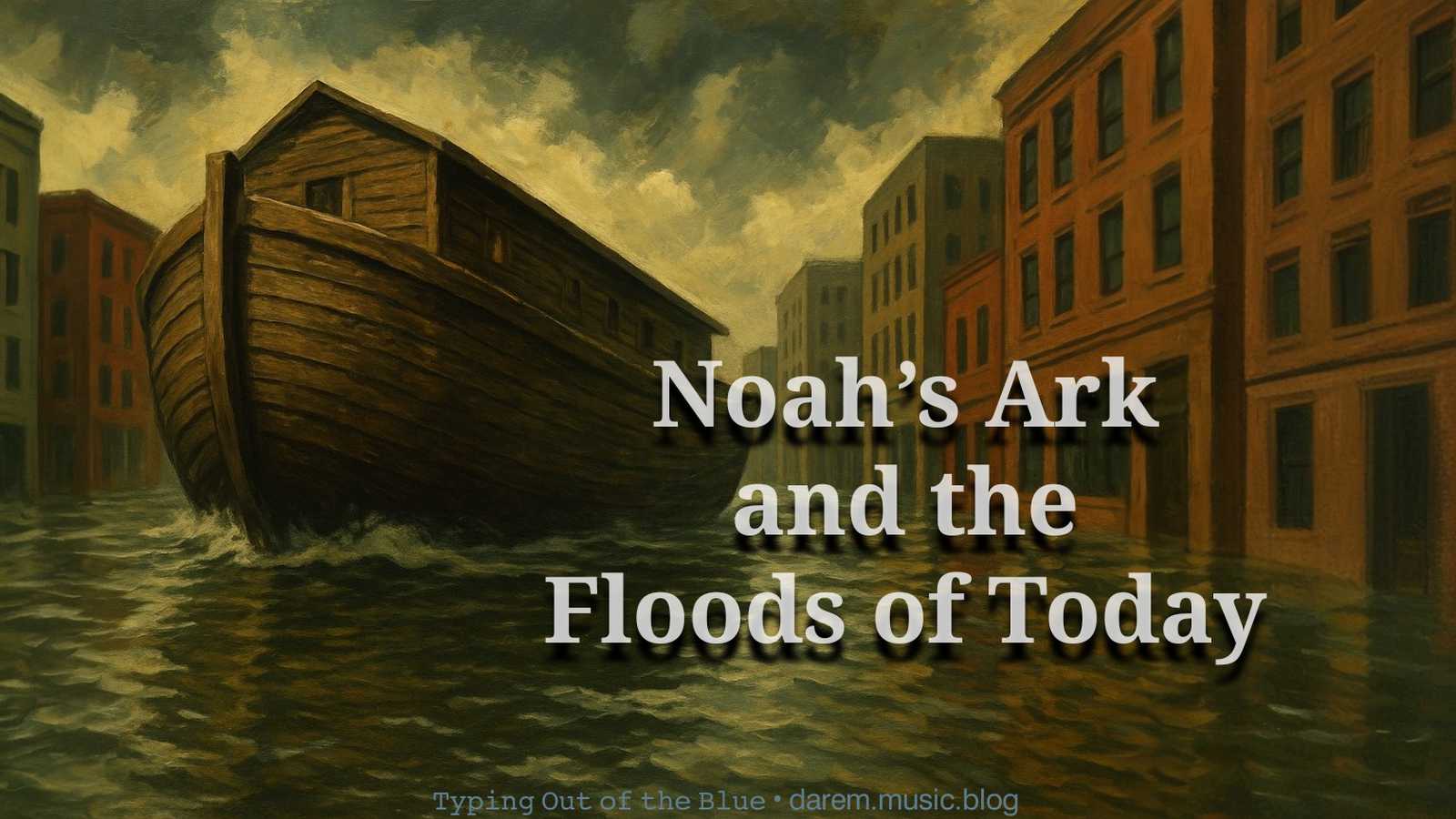
Noah’s Ark and the Floods of Today

Floods keep coming—not just from rain, but from corruption that weakens the walls meant to keep us safe.

Noah’s Ark is one of the oldest warnings in human history. A world drowned not just in water but in corruption. People were violent, greedy, and careless. God told Noah to build an ark, and while others laughed, he obeyed. When the flood came, the ark floated—not because it was magic, but because it was built right.

Fast forward to today. The flood is back—not in the same way, but just as destructive. Climate change makes storms stronger, rains heavier, and floods deadlier. And what do we do? We build our “arks”—dikes, drainage systems, pumping stations. But unlike Noah, we cut corners. Money disappears, projects are left unfinished, walls are weak. Corruption eats the very structures meant to protect us.

History repeats itself. Before, the corruption was in human hearts. Now, it’s in flood control budgets and contracts. Same root: greed. Same result: destruction.

Noah’s story is more than a Bible tale. It’s a mirror. It tells us survival isn’t just about escaping the flood, but about doing what’s right before the flood even comes. If we keep choosing corruption, then every rainfall becomes our judgment day.

The rainbow still hangs in the sky—a sign of mercy, a promise of life. But it also asks a question: Will we finally learn, or will we keep building broken arks until we drown ourselves?

ᴛʸᵖⁱⁿᵍ ᴏᵘᵗ ᵒᶠ ᵗʰᵉ ʙˡᵘᵉ ᵈᵃʳᵉᵐ ᵐᵘˢⁱᶜ ᵇˡᵒᵍ
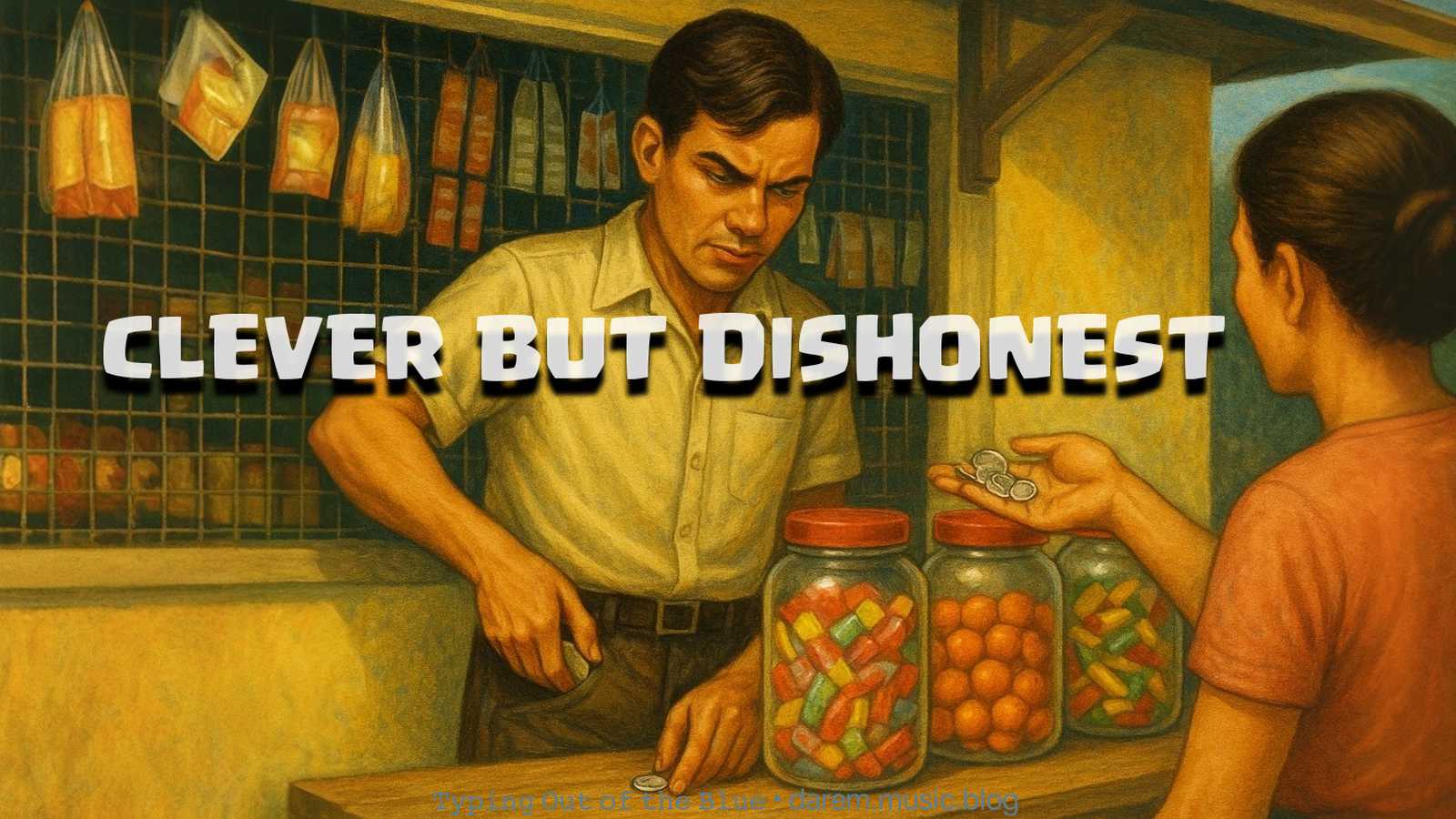
Clever but Dishonest

He thought quick tricks could save him, but where does corruption always end?

In a small store, candy really costs ₱5. But the helper tells customers, “That’s ₱6,” and slips the extra peso into his pocket. It’s small enough not to be noticed—like loose change rolling on the floor.

One day, the store owner finds out: “You can’t keep working like this. Bring me the logbook—you’re done here.”

The helper panics. Before losing his job, he changes his plan. To the customers he says, “Good news—candy is only ₱5 today. Don’t tell the owner, it’s my special discount for you.”

The customers are happy. The helper is still fired. But when the owner hears what he did, he shakes his head with a half-smile: “Clever move, you crook.”

He didn’t fix his life. He only fixed his trick. Smart, yes—but still dishonest.

This is the same in the Parable of the Dishonest Steward. A steward was caught pocketing part of what people owed his master and was about to lose his job. To secure his future, he quickly called in the debtors and cut their bills—one who owed a hundred jars of oil was told to write fifty, and one who owed a hundred measures of wheat was told to write eighty. The master found out and admired the steward’s clever thinking, not the evil he had done.

The lesson is not “be like him.” The lesson is: don’t waste your chance. He cared more about money than about doing right—and in the end, money will not really save him. He lost his job, his honor, and his soul. Corruption might look clever for a while, but it always fails.You cannot serve both God and money”—but you know it’s never right to center our life on money.

ᴛʸᵖⁱⁿᵍ ᴏᵘᵗ ᵒᶠ ᵗʰᵉ ʙˡᵘᵉ ᵈᵃʳᵉᵐ ᵐᵘˢⁱᶜ ᵇˡᵒᵍ