Anti-Bullying in the Philippines: Same Rules, Same Problems (2026)

It’s already 2026, yet anti-bullying in the Philippines feels unchanged. Maybe it’s time to look at how it’s really done.

For those who’d rather listen.

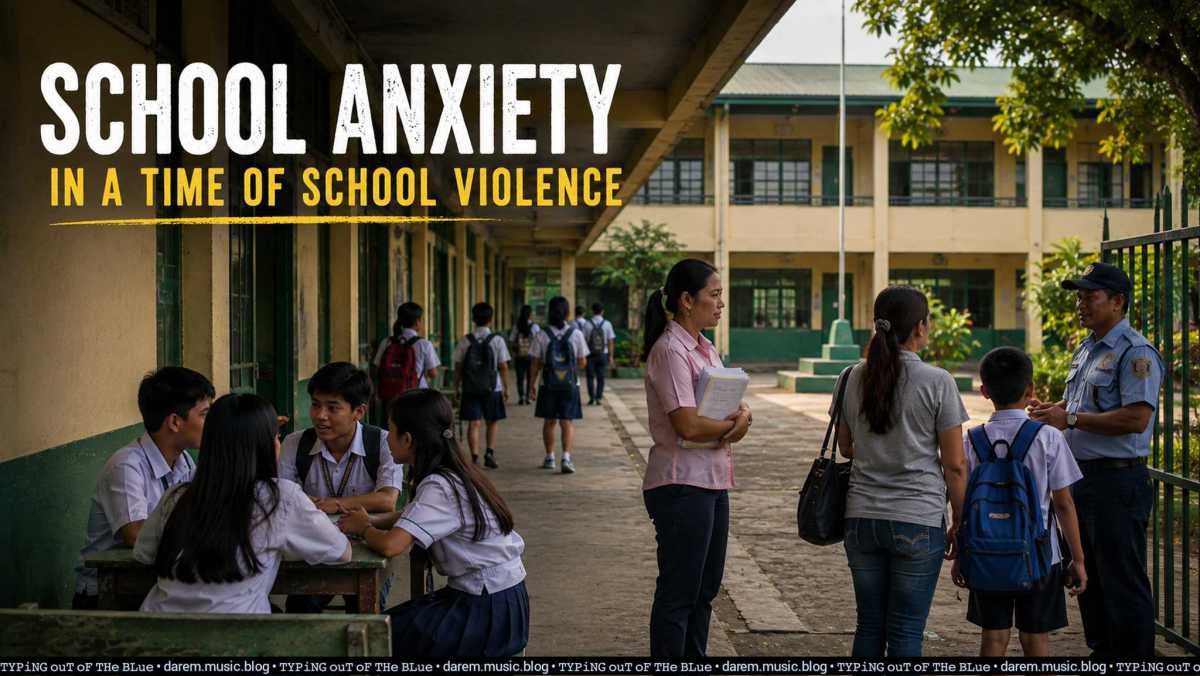
Anti-bullying is not new in the Philippines. We already have laws. We already have rules. We already have school committees, forms, posters, and yearly reminders. And yet, 2026 na. Bullying is still there. Same stories. Same patterns. Same complaints.

So the real question is not “Do we have anti-bullying policies?” We do. The real question is: are things actually getting better? Right now, it does not feel that way.

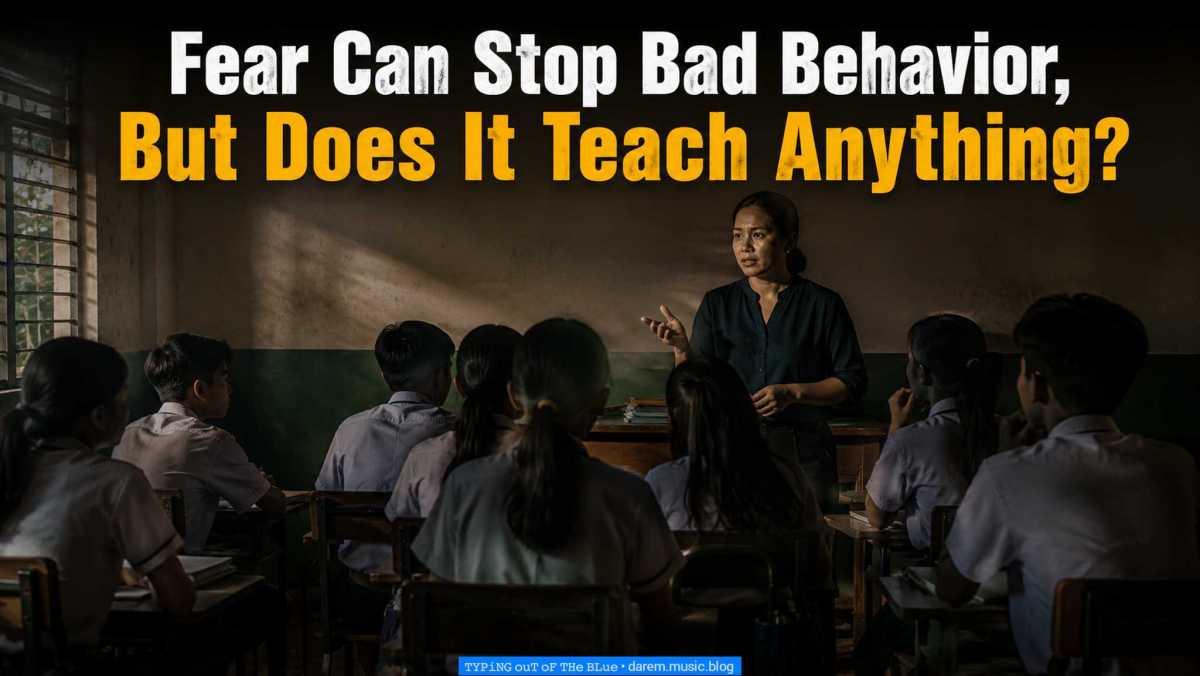
In the Philippines, bullying is still handled mostly as a case problem. Something that starts only when someone reports it. A complaint. A meeting. A form. On paper, this looks like action. In real school life, it rarely changes what students experience every day.

In many other countries, the thinking has already changed. Not new laws. Not more memos. But a different way of seeing the problem.

First, bullying is treated as a school culture problem, not just a problem child. When bullying keeps happening, it means the environment is unsafe. Adults are expected to notice warning signs early and fix blind spots. In the Philippines, the focus is still often on who did it, instead of why the school setting allowed it.

Second, students are taught how to help, not just how to report. In other countries, bystanders learn simple and safe actions. Sit beside someone who is being targeted. Change the topic. Call for help early. Nothing dramatic. No fighting. Here, students are often told to “just report it,” which sounds right but often leads to silence and fear.

Third, prevention comes before punishment. Schools abroad focus on daily routines. Teacher presence. Seating plans. Supervision during breaks. The way adults speak to students. Small, boring things that quietly reduce bullying. In the Philippines, the response usually comes after the harm is already done.

Fourth, schools focus on fixing behavior, not just ending cases. Other systems use guided conversations where harm is explained, responsibility is taken, and repair is required. This is not being soft. It helps stop repeat behavior. Locally, punishment often closes the case, but the behavior comes back.

Fifth, online bullying is treated as part of school life. If online attacks affect learning or safety, schools act. Parents and counselors are involved. In the Philippines, many schools still say it is “outside school,” even when students bring the impact into the classroom every day.

Sixth, mental health is part of the response. Other countries accept that both the victim and the bully may need support. Not excuses. Support. Because unresolved problems lead to repeat harm. In the Philippines, schools are overloaded and lack enough support staff, so the system falls back on paperwork.

The truth is uncomfortable. The Philippines does not lack rules. It lacks action that changes daily school life. That is why yearly “launchings” feel empty. Anti-bullying is not a special project. It is basic school work.

By 2026, the goal should not be repeating the same rules again. The goal should be fewer incidents, earlier action, safer classrooms, and students who know how to look out for each other. Until the focus moves from “Do we have a memo?” to “Do students feel safer this year?”, anti-bullying will stay active on paper but weak in real life.

That is where progress seems stuck.

⌨ ᴛʸᵖⁱⁿᵍ ᴏᵘᵗ ᵒᶠ ᵗʰᵉ ʙˡᵘᵉ ᵈᵃʳᵉᵐ ᵐᵘˢⁱᶜ ᵇˡᵒᵍ

Digital Albums by Darem Placer on Bandcamp
Listen. Support. Buy. Download.

Where Bullying Starts—and How We Can End It Together

Bullying isn’t just about fistfights—it hides in silence, in group chats, even in everyday routines. This piece digs into why bullies exist, how victims can stay strong, and how schools, families, and communities can build a culture of respect where no student has to live in fear.

This is a long read, but it’s not just filler. Everything here has purpose. There’s pain, but also answers.

No sugarcoating—bullying still happens in many schools. Sometimes it’s obvious: yelling, kicking, name-calling. Other times it’s silent: being ignored, excluded, or constantly shut down. It still hurts. And yes, self-defense like Taekwondo can help boost confidence, but the real solution to bullying goes deeper than punches and kicks.

It’s not about fighting back. The goal is to create a space where no one needs to hurt or scare others.


Let’s Ask

Where is bullying coming from today? One major source is social media. Online platforms can feel like a battlefield—likes, shares, group chats, and anonymous messages can build or break someone’s day. But bullying is not just digital. It still happens face-to-face, especially where adults aren’t watching: hallways, hangouts, group work, even inside classrooms.

  • Why are students losing their temper so quickly?
  • Why does violence become the instant solution?
  • Where is the guidance that should be present?

1. Why Do Bullies Exist?

Bullies aren’t born bullies—they’re shaped by something. That “something” could be many things: toxic home environments, peer pressure, online influencers who glorify being rude or dominant, or shows and content that make bullying look “cool.” When kids constantly see the rude ones portrayed as heroes, sometimes they think that’s how they should act.

Not every bully is naturally mean. Some carry pain, insecurity, or lack of control in other areas of life. They try to take power the wrong way—by putting others down. This doesn’t excuse them, but it shows where the help needs to start.

2. Helping Bullies Change

Some bullies lash out because they were once hurt themselves—but that doesn’t make it right. It only shows where healing must begin. Some bullies were victims in the past. Instead of healing, they turned to violence. They need help to process this—not pity, but proper guidance.

Give them room to reflect. Have conversations. Introduce empathy programs or counseling when needed. Let them see that respect brings more than fear. It’s better to be admired for kindness than feared for cruelty.

3. For the Bullied: Stay Cool, Stay Strong

Being bullied is painful, but you’re not powerless. Being “cool” doesn’t mean staying silent—it means knowing your worth. Know who to approach, how to protect your peace, and how to respond without copying the bully’s behavior.

4. Watch Out for Cyberbullying

When kids are at home, bullying often turns digital. In group chats, memes, or DMs—attacks can happen anytime. Parents and siblings need to stay aware of their digital world. Not by spying, but by talking, listening, and guiding.

5. Bullying Happens Outside School Too

Bullies aren’t only in schools. You can find them on street corners, basketball courts, or neighborhood hangouts. That’s why families, barangays, and communities must also play a role. Kids are safer when positive activities exist—sports, arts, or volunteer work.

6. The Role of Parents, Guardians, and Siblings

Be present. Be observant. Sometimes a simple question—“Are you okay?”—is enough. Watch for changes in mood, silence, or sudden shifts in routine. Talk about emotions. Teach them to speak up and control impulses.

If you’re an older sibling, uncle, or aunt—be a guide. Don’t just say “ignore it.” Be someone they can trust. You’re their first superhero.

7. A Culture of Respect Starts with Us

Respect isn’t just saying “please” or “thank you.” It’s how you treat people every day. Teachers, staff, and students all share this responsibility. Model it. Show it. Live it.

8. Speak Up—Even If You’re Not the Target

Silence protects bullies. If you see someone being hurt—say something. Defend them. Report it. One voice can change everything.

9. Teachers, Be Present

Don’t just be physically present. Sometimes you’re there but unaware of what’s happening. Bullying hides in corners—hallways, group projects, even school chats. Be observant. Listen. Trust your instincts.

10. Support Both Sides

Support the bullied. Guide the bully. Both need help. One carries visible wounds, the other may carry hidden ones. Respond with justice, but lead with compassion.

11. Strength in Peers

Peer-to-peer talks can be powerful. Sometimes kids listen more to their own age group. Create safe zones—buddy systems, support groups, or safe chats. Every student deserves a safe space.

12. Make Reporting Safe and Simple

Don’t make reporting scary. Keep it easy, confidential, and free of shame. Let students know they will be supported, not blamed.

13. We’re All in This Together

The solution isn’t just the school’s responsibility. Families, barangays, even guards and tricycle drivers are part of the community that must help break the cycle.


The Real Goal

This isn’t just about academics. It’s about making students feel safe, supported, and respected—whether in classrooms or on the streets. Ending bullying isn’t about building fighters. It’s about raising people who choose kindness.

Because no student should ever be afraid just to live.

𝚃𝚢𝚙𝚒𝚗𝚐 𝙾𝚞𝚝 𝚘𝚏 𝚝𝚑𝚎 𝙱𝚕𝚞𝚎 • 𝖽𝖺𝗋𝖾𝗆.𝗆𝗎𝗌𝗂𝖼.𝖻𝗅𝗈𝗀