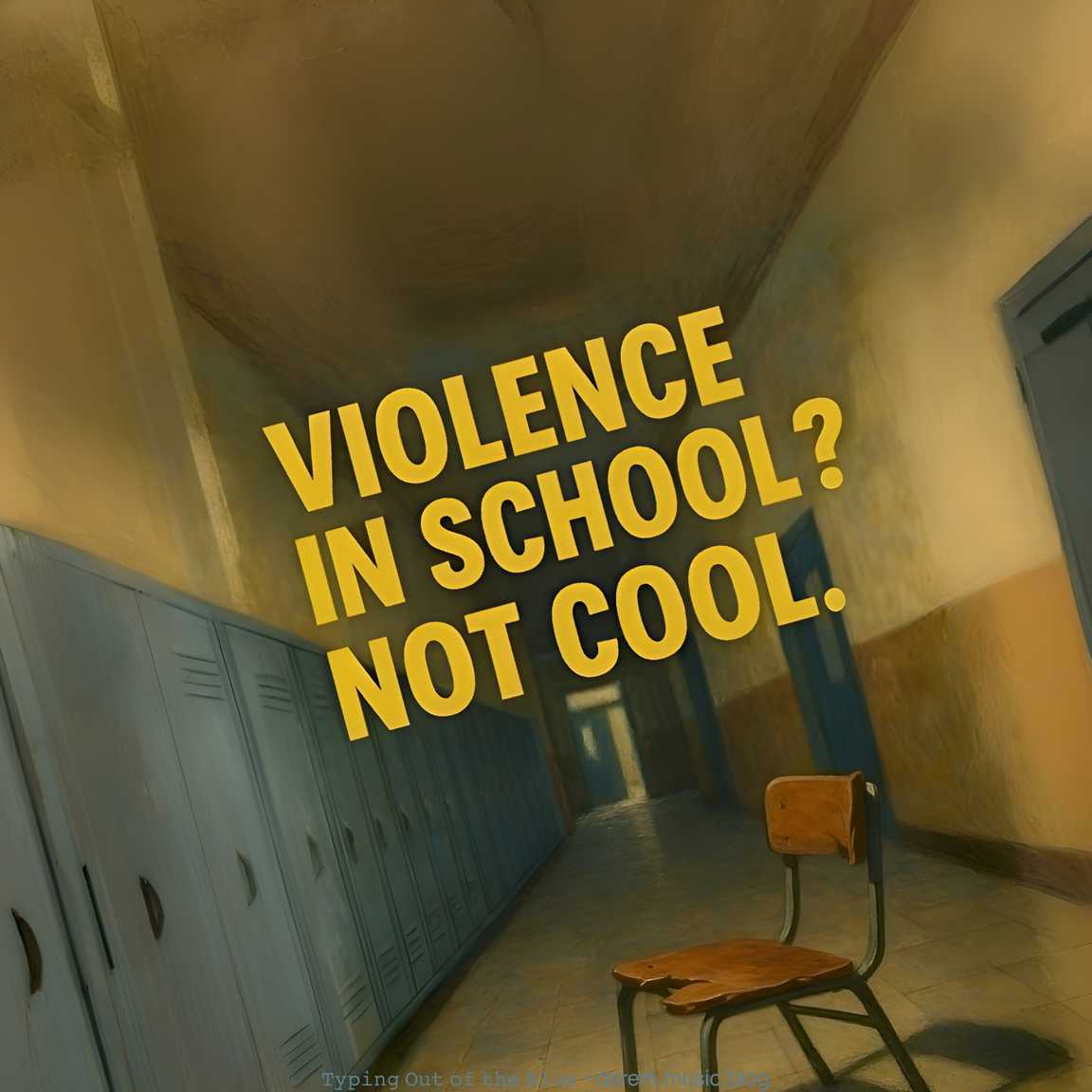
Anti-bullying is not new in the Philippines. We already have laws. We already have rules. We already have school committees, forms, posters, and yearly reminders. And yet, 2026 na. Bullying is still there. Same stories. Same patterns. Same complaints.
So the real question is not “Do we have anti-bullying policies?” We do. The real question is: are things actually getting better? Right now, it does not feel that way.
In the Philippines, bullying is still handled mostly as a case problem. Something that starts only when someone reports it. A complaint. A meeting. A form. On paper, this looks like action. In real school life, it rarely changes what students experience every day.
In many other countries, the thinking has already changed. Not new laws. Not more memos. But a different way of seeing the problem.
First, bullying is treated as a school culture problem, not just a problem child. When bullying keeps happening, it means the environment is unsafe. Adults are expected to notice warning signs early and fix blind spots. In the Philippines, the focus is still often on who did it, instead of why the school setting allowed it.
Second, students are taught how to help, not just how to report. In other countries, bystanders learn simple and safe actions. Sit beside someone who is being targeted. Change the topic. Call for help early. Nothing dramatic. No fighting. Here, students are often told to “just report it,” which sounds right but often leads to silence and fear.
Third, prevention comes before punishment. Schools abroad focus on daily routines. Teacher presence. Seating plans. Supervision during breaks. The way adults speak to students. Small, boring things that quietly reduce bullying. In the Philippines, the response usually comes after the harm is already done.
Fourth, schools focus on fixing behavior, not just ending cases. Other systems use guided conversations where harm is explained, responsibility is taken, and repair is required. This is not being soft. It helps stop repeat behavior. Locally, punishment often closes the case, but the behavior comes back.
Fifth, online bullying is treated as part of school life. If online attacks affect learning or safety, schools act. Parents and counselors are involved. In the Philippines, many schools still say it is “outside school,” even when students bring the impact into the classroom every day.
Sixth, mental health is part of the response. Other countries accept that both the victim and the bully may need support. Not excuses. Support. Because unresolved problems lead to repeat harm. In the Philippines, schools are overloaded and lack enough support staff, so the system falls back on paperwork.
The truth is uncomfortable. The Philippines does not lack rules. It lacks action that changes daily school life. That is why yearly “launchings” feel empty. Anti-bullying is not a special project. It is basic school work.
By 2026, the goal should not be repeating the same rules again. The goal should be fewer incidents, earlier action, safer classrooms, and students who know how to look out for each other. Until the focus moves from “Do we have a memo?” to “Do students feel safer this year?”, anti-bullying will stay active on paper but weak in real life.
That is where progress seems stuck.

⌨ ᴛʸᵖⁱⁿᵍ ᴏᵘᵗ ᵒᶠ ᵗʰᵉ ʙˡᵘᵉ ᵈᵃʳᵉᵐ ᵐᵘˢⁱᶜ ᵇˡᵒᵍ