ᴛʸᵖⁱⁿᵍ ᴏᵘᵗ ᵒᶠ ᵗʰᵉ ʙˡᵘᵉ ᵈᵃʳᵉᵐ ᵐᵘˢⁱᶜ ᵇˡᵒᵍ
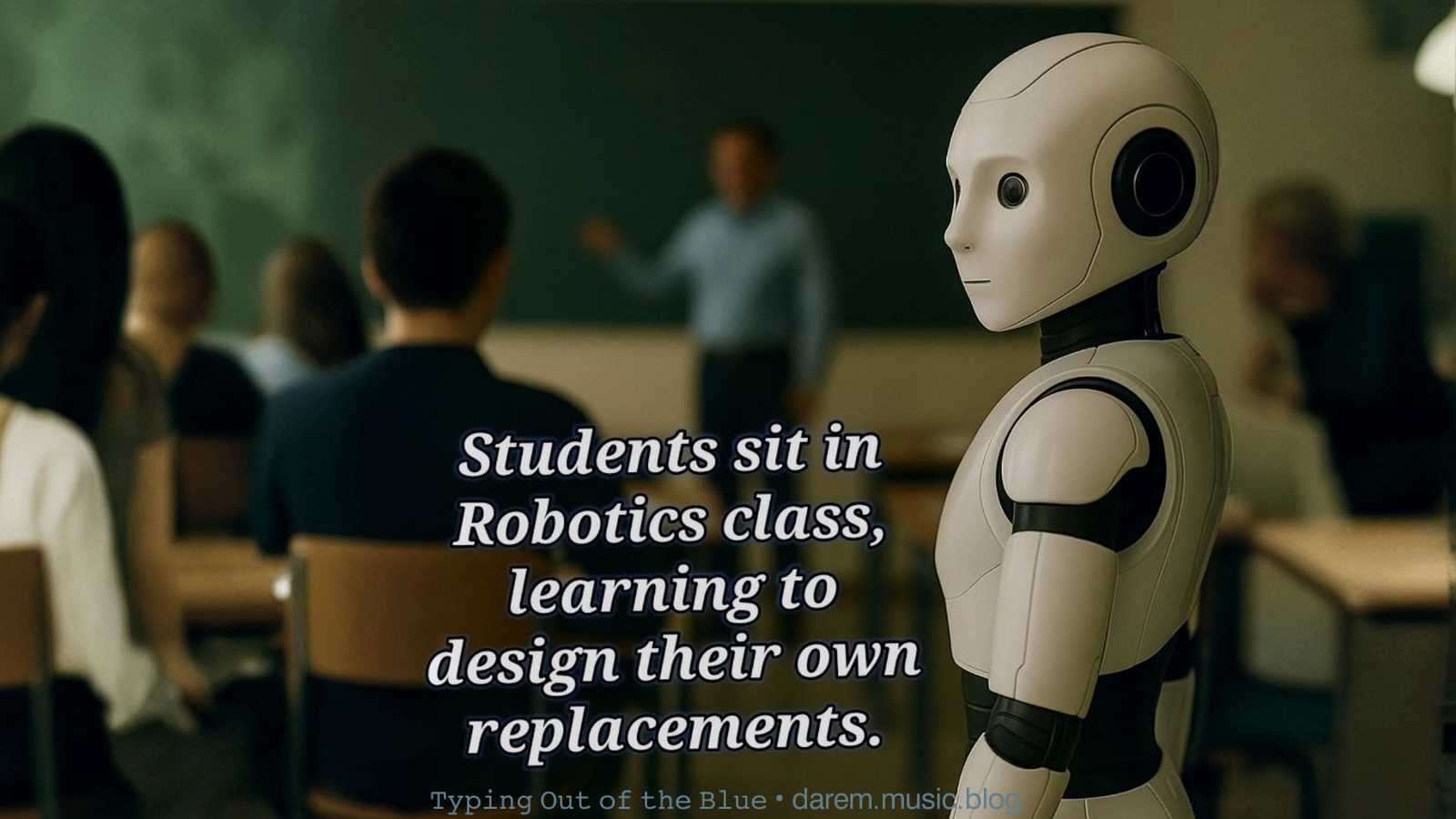
Designing Our Own Replacements
When we teach machines to think, we’re also forced to ask—what’s left that makes us human?

When we teach machines to think, we’re also forced to ask—what’s left that makes us human?
ᴛʸᵖⁱⁿᵍ ᴏᵘᵗ ᵒᶠ ᵗʰᵉ ʙˡᵘᵉ ᵈᵃʳᵉᵐ ᵐᵘˢⁱᶜ ᵇˡᵒᵍ
What happens when countries facing the same struggles choose to lift each other up instead of waiting for aid?
From drought-resistant crops shared by India with Africa, to Cuba sending doctors to fight Ebola, to Brazil teaching countries how to feed schoolchildren with local produce, South-South Cooperation has produced real, life-changing results. Small island nations insure each other against hurricanes through a shared fund, ASEAN neighbors exchange disaster-response systems, and renewable energy projects light up villages once left in the dark.
Every year on September 12, the world pauses to celebrate these partnerships on the United Nations Day for South-South Cooperation. The date marks the adoption of the Buenos Aires Plan of Action in 1978, the milestone agreement that gave structure to this kind of technical and knowledge-sharing under the UN.
This day is more than a reminder of solidarity. It shows that developing nations are not just recipients of aid, but sources of solutions for one another. By working together—sharing skills, resources, and innovations—they prove that progress doesn’t have to come only from the wealthiest countries. It can also rise from those who know the struggle firsthand, and who choose to lift each other up.
The 2025 theme says it best: “New Opportunities and Innovation through South-South and Triangular Cooperation.” It’s about saying: “We don’t just survive with outside help—we can invent, create, and shape the future by working together.”
𝚃𝚢𝚙𝚒𝚗𝚐 𝙾𝚞𝚝 𝚘𝚏 𝚝𝚑𝚎 𝙱𝚕𝚞𝚎 • 𝖽𝖺𝗋𝖾𝗆.𝗆𝗎𝗌𝗂𝖼.𝖻𝗅𝗈𝗀
