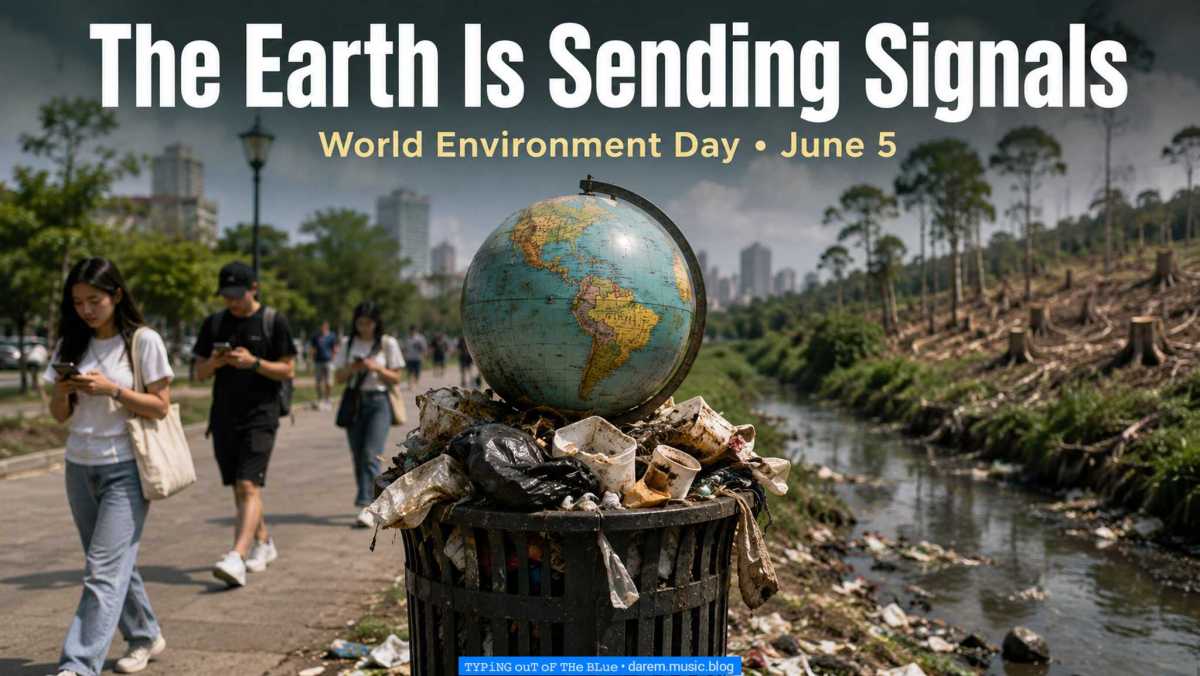
Life Works Together

Remove enough living things from nature, and sooner or later humans start feeling the damage too.

Biological diversity is simply the variety of life around us. Animals, trees, flowers, insects, birds, coral reefs, forests, even the tiny living things we never notice. The world is alive because different forms of life exist together like one giant system quietly helping each other survive.

Birds sing in the morning like part of nature’s soundtrack. Bees move from flower to flower like tiny workers keeping gardens alive. Trees dance with the wind while oceans keep their deep ancient rhythm against the shore. Even the worms under the soil are doing invisible work like tiny underground engineers.

The problem is many people hear the words “biological diversity” and instantly feel like they accidentally entered a science quiz contest. 😁

But honestly, this is not some distant laboratory topic. This is everyday life.

When rivers become polluted, fish disappear. When forests are cut carelessly, floods become worse. When too many species vanish, nature slowly loses balance. And once balance disappears, humans feel the effects too.

By doing small actions, people can still help protect the living world around them. Things like planting trees, avoiding waste, reducing plastic use, respecting animals, keeping places clean, or simply caring more about nature instead of treating it like an unlimited vending machine.

Nature has always worked quietly in the background, keeping life moving long before cities, factories, traffic, and modern noise arrived.

Forests feel peaceful not because they are silent, but because everything there already knows its part in the song.

The least we can do is stop acting like reckless tenants inside a house we never built.

YouTube player

⌨ ᴛʸᵖⁱⁿᵍ ᴏᵘᵗ ᵒᶠ ᵗʰᵉ ʙˡᵘᵉ ᵈᵃʳᵉᵐ ᵐᵘˢⁱᶜ ᵇˡᵒᵍ
Modern Life Came With a Cost

Take a closer look at the hidden environmental cost behind modern civilization.

The world now has more than 8 billion people, and according to a March 2026 study from Flinders University, Earth is already struggling to keep up.

The researchers say modern life became possible because of fossil fuels. Oil, gas, and coal helped power cities, transportation, factories, and large-scale food production. But the same things that helped civilization grow are also linked to pollution, climate damage, and environmental decline.

For a while, it worked.

But now the side effects are getting harder to ignore: hotter days, more pollution, rising food prices, water problems, forests disappearing, and seas getting emptier.

The study says humanity may have pushed the planet beyond what is safe long term. Not because people exist, but because modern life keeps demanding more and more from the same Earth every year.

More power. More land. More products. More buildings. More consumption.

The planet keeps giving. But nothing gives forever.

The study is not really telling people to stop having children. The bigger question is whether the current way civilization operates can keep growing forever without damaging the systems that keep life stable.

Many scientists say the problem is not just population, but also waste, overconsumption, pollution, and the constant demand for more.

A planet has limits. And sooner or later, those limits will start to show.

⌨ ᴛʸᵖⁱⁿᵍ ᴏᵘᵗ ᵒᶠ ᵗʰᵉ ʙˡᵘᵉ ᵈᵃʳᵉᵐ ᵐᵘˢⁱᶜ ᵇˡᵒᵍ

Sky-Low • Darem Placer
The Earth is struggling while we keep demanding more.