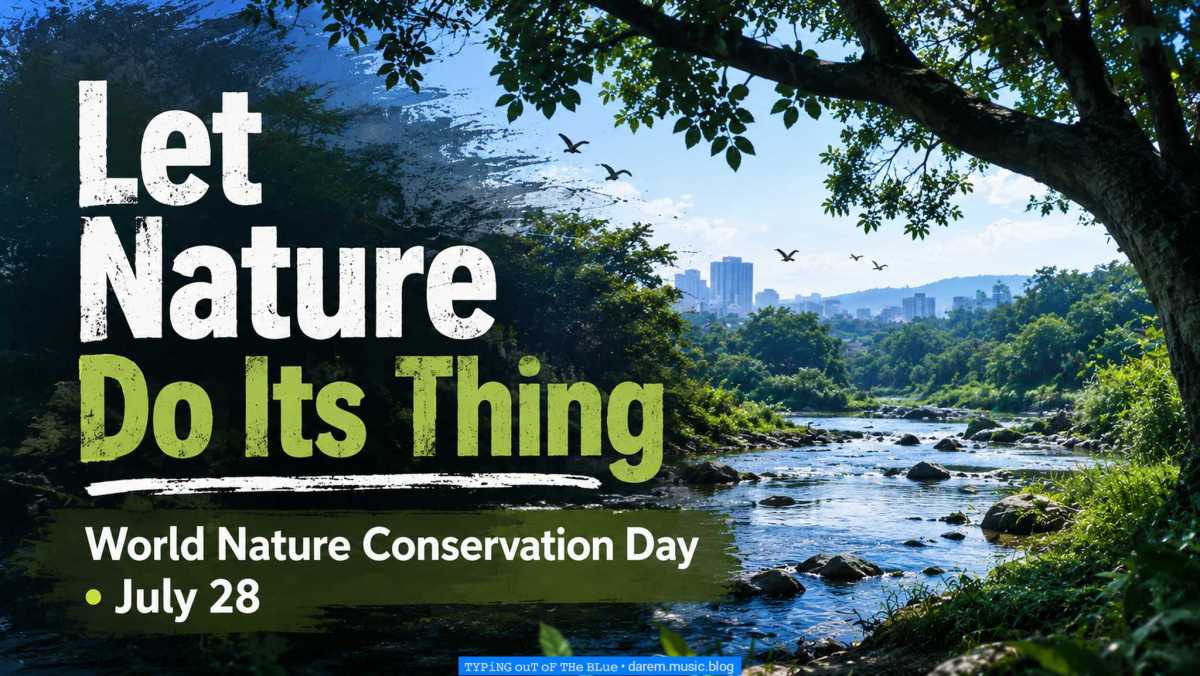
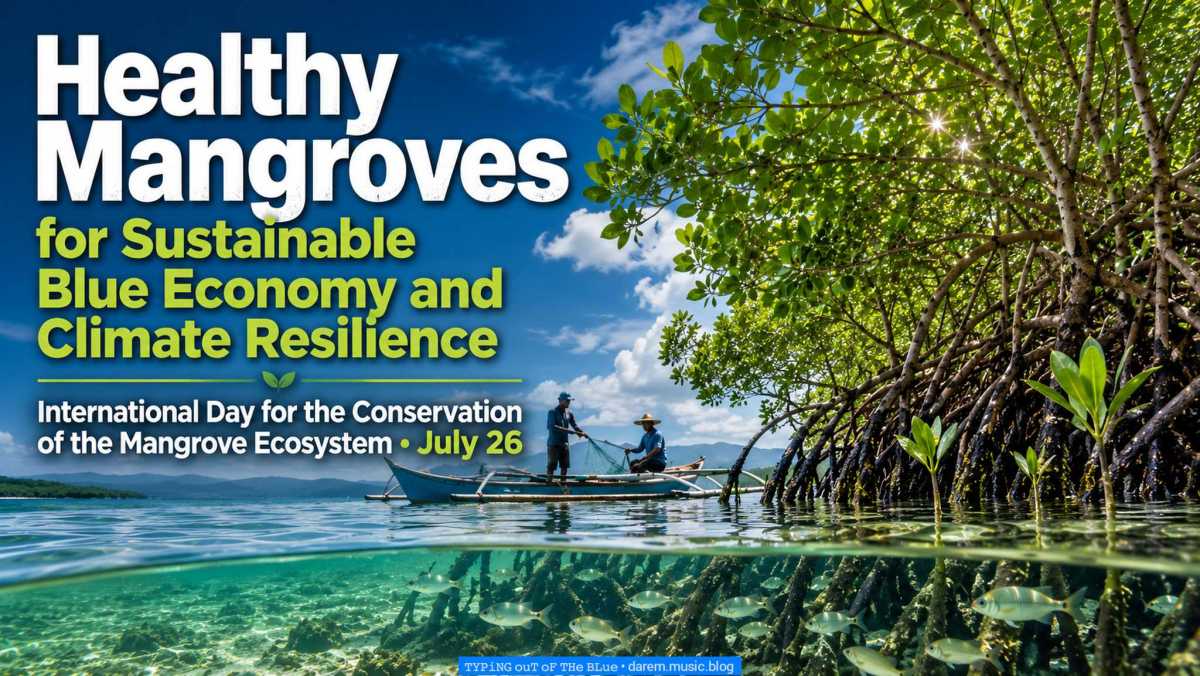
Life Works Together

Remove enough living things from nature, and sooner or later humans start feeling the damage too.

Biological diversity is simply the variety of life around us. Animals, trees, flowers, insects, birds, coral reefs, forests, even the tiny living things we never notice. The world is alive because different forms of life exist together like one giant system quietly helping each other survive.

Birds sing in the morning like part of nature’s soundtrack. Bees move from flower to flower like tiny workers keeping gardens alive. Trees dance with the wind while oceans keep their deep ancient rhythm against the shore. Even the worms under the soil are doing invisible work like tiny underground engineers.

The problem is many people hear the words “biological diversity” and instantly feel like they accidentally entered a science quiz contest. 😁

But honestly, this is not some distant laboratory topic. This is everyday life.

When rivers become polluted, fish disappear. When forests are cut carelessly, floods become worse. When too many species vanish, nature slowly loses balance. And once balance disappears, humans feel the effects too.

By doing small actions, people can still help protect the living world around them. Things like planting trees, avoiding waste, reducing plastic use, respecting animals, keeping places clean, or simply caring more about nature instead of treating it like an unlimited vending machine.

Nature has always worked quietly in the background, keeping life moving long before cities, factories, traffic, and modern noise arrived.

Forests feel peaceful not because they are silent, but because everything there already knows its part in the song.

The least we can do is stop acting like reckless tenants inside a house we never built.

YouTube player

⌨ ᴛʸᵖⁱⁿᵍ ᴏᵘᵗ ᵒᶠ ᵗʰᵉ ʙˡᵘᵉ ᵈᵃʳᵉᵐ ᵐᵘˢⁱᶜ ᵇˡᵒᵍ

The First Domino

Coral reefs are dying faster than they can recover—Earth’s first tipping point has been crossed, and time is running out.

Earth’s first climate tipping point. The countdown has begun.

Scientists say Earth has crossed its first catastrophic climate tipping point: the mass death of coral reefs. Global temperature has risen about 1.4°C above preindustrial levels, but most reefs can only survive up to around 1.2°C. Beyond that limit, the ocean becomes too hot, and corals expel the algae that keep them alive—a process called bleaching. Because oceans absorb most of the planet’s excess heat, they warm faster than land, leaving reefs with no time to adapt. Once bleaching happens too often, reefs stop recovering and begin to die for good.

Each small rise in global temperature adds new danger. At 1.2°C, reefs begin to die. At 1.5°C, most vanish. Every fraction of a degree unlocks more risk and pushes Earth closer to irreversible change.

Coral reefs are more than sea colors. They support a quarter of all marine species, protect coastlines from storms, and provide food and income for about one billion people. When reefs collapse, fish populations shrink, waves grow stronger, and communities that depend on the sea lose their safety and livelihood.

Experts call this the “first domino.” If coral reefs are falling, others may follow—polar ice sheets, the Amazon rainforest, ocean currents. Each collapse pushes Earth closer to permanent change.

Is there still hope? Some scientists say a few deeper or cooler reefs might survive if we act now. But survival depends on speed—cutting emissions in half before 2030, ending fossil fuel use, and protecting what remains.

The ocean’s message is no longer a warning—it’s a countdown.

⌨ ᴛʸᵖⁱⁿᵍ ᴏᵘᵗ ᵒᶠ ᵗʰᵉ ʙˡᵘᵉ ᵈᵃʳᵉᵐ ᵐᵘˢⁱᶜ ᵇˡᵒᵍ

👉 Download Sky-Low on Bandcamp

💿 Just type 0 if you want to download the album for free.

Sky-Low
“Sky-Low” is not just an album—it’s an awareness campaign about climate change and a challenge to protect our planet.