Continue reading “Care for People and Creation • Sun.09.20.26”
Care for People and Creation • Sun.09.20.26
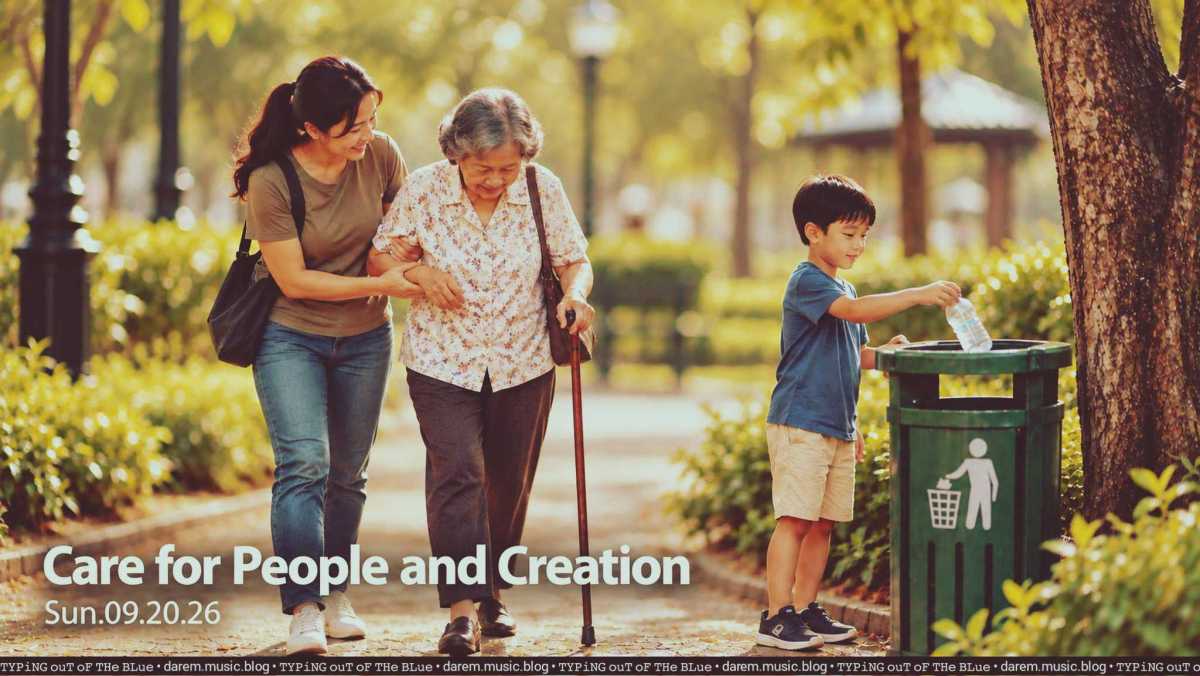
Some acts of love are so ordinary that we may overlook how much they protect people and the world around us.

Some acts of love are so ordinary that we may overlook how much they protect people and the world around us.
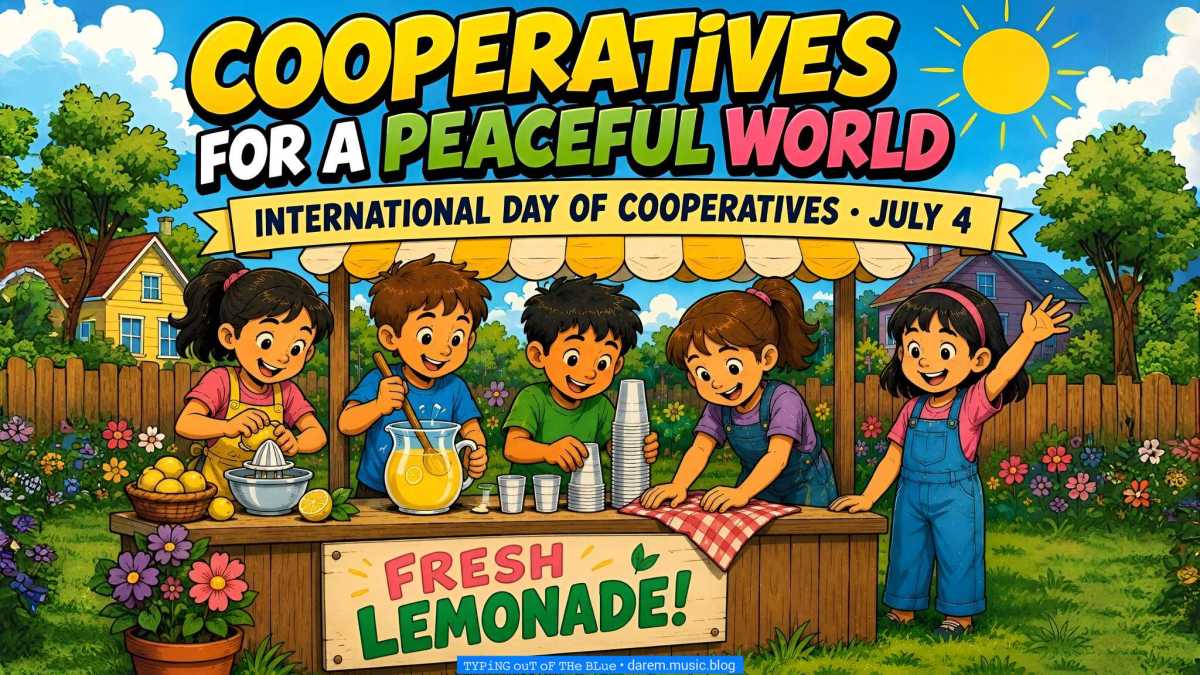
Five friends discover that sharing ideas and responsibilities can build something bigger than any of them could create alone.
One warm afternoon, five friends had a big idea.
Mia had lemons but no sugar.
Ben had sugar but no lemons.
Carlos had cups.
Ava had a small folding table.
And Sophie painted a bright sign that said, “Fresh Lemonade!”
“What if we put everything together?” Mia asked. “Then we can open a lemonade stand!”
The others smiled.
“Let’s do it!” they said.
So they did.
Mia squeezed the lemons. Ben mixed the sugar. Carlos arranged the cups. Ava set up the table. Sophie welcomed customers with a smile.
By the end of the day, their lemonade stand was a success.
“Great!” said Ben. “How do we split the money?”
“Since we all helped,” said Ava, “we should all share the rewards.”
That is called a cooperative. It is when people work together, own something together, and share the benefits together.
But the next day brought new challenges.
“I think we should sell cookies too,” said Carlos.
“No, ice pops!” said Sophie.
“We should save our money for a bigger table,” said Mia.
Everyone had good ideas, but not the same ideas.
Then another problem appeared.
While Mia squeezed lemons, Ben mixed the drinks, Ava cleaned the table, and Sophie greeted customers, Carlos spent much of the afternoon watching clouds drift across the sky.
“That doesn’t seem fair,” said Ben.
Instead of arguing, the children sat down together and talked.
They listened to one another.
They shared ideas.
They agreed on a plan that everyone could support.
Carlos apologized and promised to do his part.
The children learned something important.
Working together can help people do bigger things than they could alone.
But working together also means listening, sharing, being responsible, and doing your part.
A cooperative is a little like a group project in school.
When everyone helps, amazing things can happen.
When people listen instead of fight, share instead of grab, and build instead of pull apart, even a small lemonade stand can become a place where everyone feels welcome and everyone has a chance to succeed.
Mia looked at their little stand and smiled.
“If five kids can work together like this,” she said, “maybe grown-ups, towns, and even countries can too.”
The others smiled.
Maybe big things sometimes begin with lemons, cups, and a table on a sunny afternoon.
And maybe the secret ingredient was never the lemonade.
Maybe it was cooperation all along.
⌨ ᴛʸᵖⁱⁿᵍ ᴏᵘᵗ ᵒᶠ ᵗʰᵉ ʙˡᵘᵉ ᵈᵃʳᵉᵐ ᵐᵘˢⁱᶜ ᵇˡᵒᵍ