The Battle of Vienna
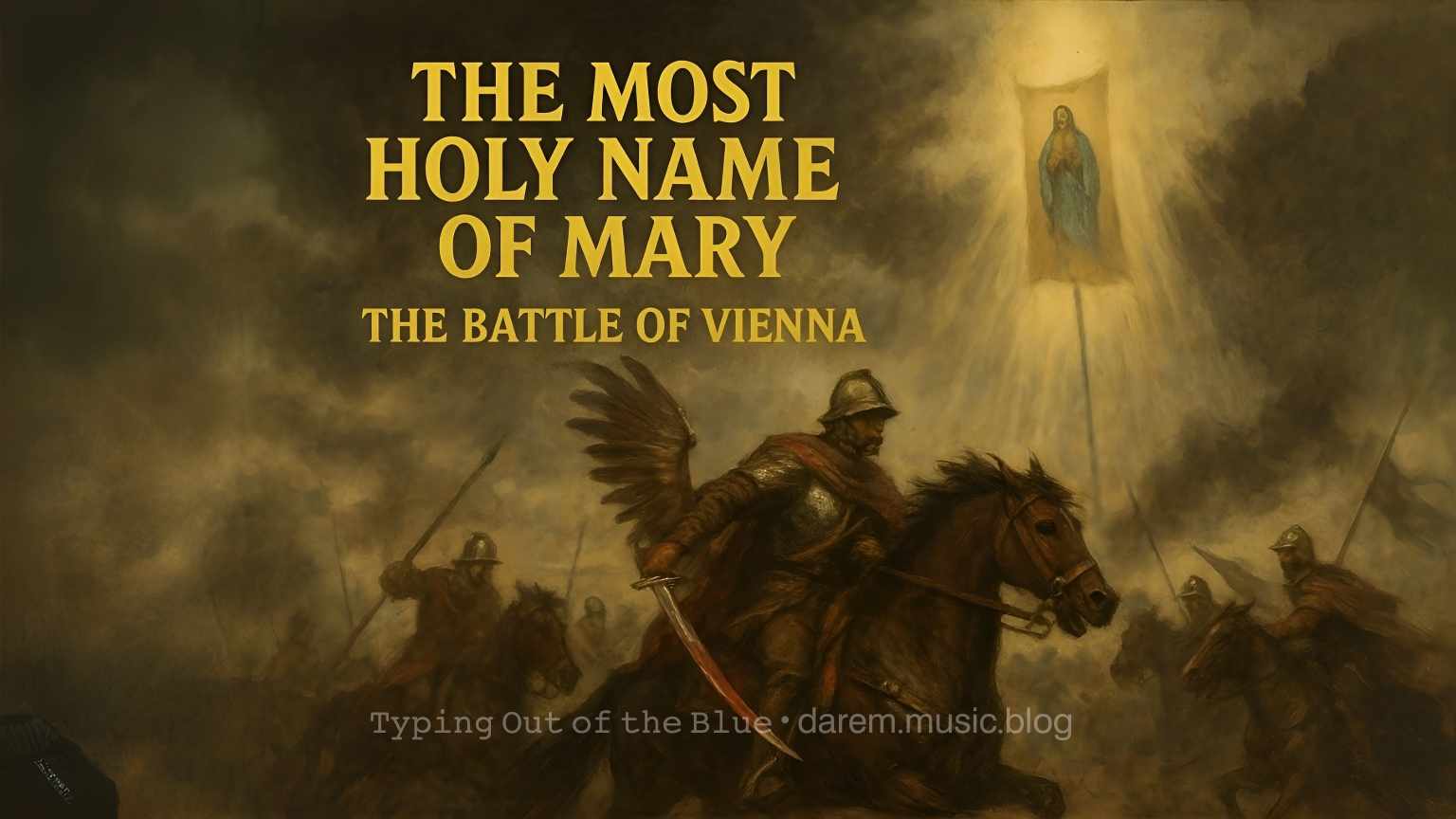
The morning of September 12, 1683, the city of Vienna was choking under siege. Ottoman forces (the Muslim empire that ruled much of Southeast Europe, the Middle East, and North Africa, seeking to expand deeper into Europe) thundered their cannons, smoke hung heavy in the air, and fear weighed on the soldiers’ hearts. Defeat seemed certain.
But then, a voice broke the silence of despair. Soldiers knelt, bishops lifted crucifixes high, and the name “Mary!” echoed across the ranks. Their general, John III Sobieski (King of Poland) rode forward with his famous Winged Hussars (Poland’s elite cavalry known for their feathered wings), raising his sword and entrusting the army to the Mother of God.
The tide shifted. Against all odds, the Christian forces—made up of soldiers from Poland, Austria, and the Holy Roman Empire—pushed back the Ottomans. Victory unfolded as if Heaven itself had leaned down to shield the city. The smoke cleared, and the cry that once rose in fear now resounded in triumph: “Mary!”
Since that day, the Church has remembered the power of Mary’s name. Pope Innocent XI (head of the Catholic Church from 1676–1689) extended this celebration to the whole Church as thanksgiving for her intercession. Every year on September 12, Catholics observe the Optional Memorial of the Most Holy Name of Mary. It carries a timeless reminder—that calling on Mary’s name is a source of courage and peace.
That day, the name of Mary was more than a sound—it was courage, faith, and hope wrapped into one word. The Church remembers it not to glorify war, but to remind us that in life’s battles, great or small, we are never alone. To call on her name is to open a door to peace, knowing she always leads us to Christ.
✝️ Prayer to the Most Holy Name of Mary
O Mary, your name is light in darkness and strength in weakness. When fear surrounds us, help us to trust, to be courageous, and to walk closer to your Son. Guide us always to Jesus, that in every battle we may find peace in His love. Amen.
𝚃𝚢𝚙𝚒𝚗𝚐 𝙾𝚞𝚝 𝚘𝚏 𝚝𝚑𝚎 𝙱𝚕𝚞𝚎 • 𝖽𝖺𝗋𝖾𝗆.𝗆𝗎𝗌𝗂𝖼.𝖻𝗅𝗈𝗀
The Most Holy Name of Mary
At Vienna’s darkest hour, a single name turned fear into strength. That name still carries power in our battles today.