
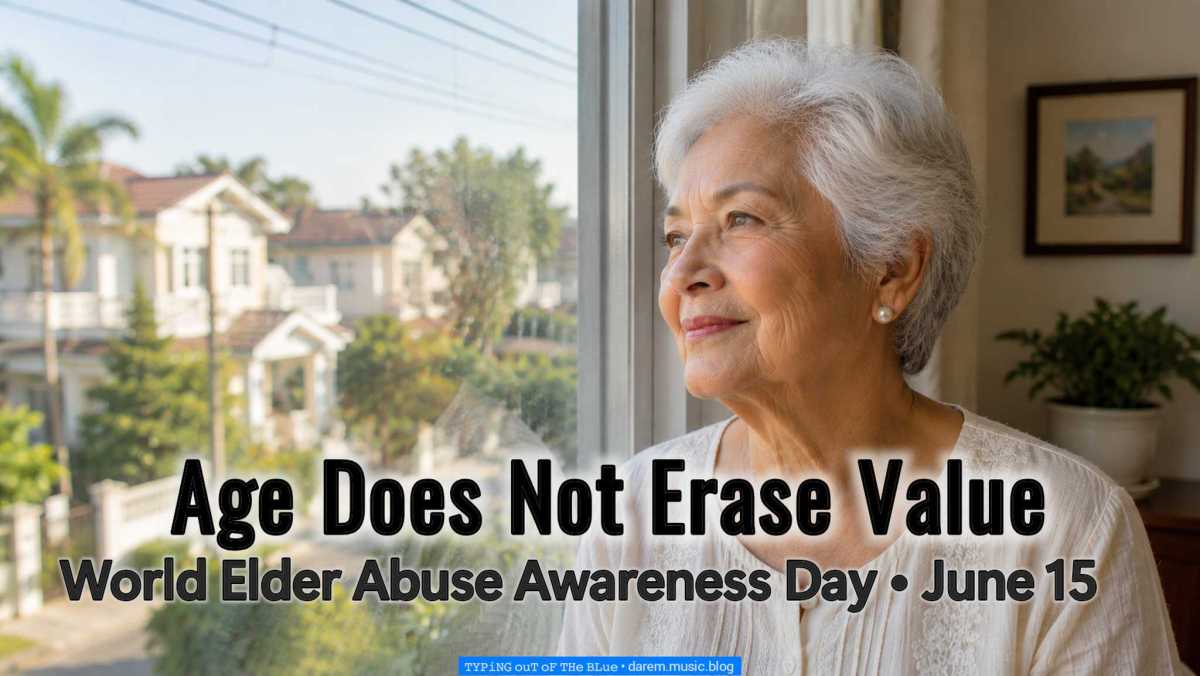
An old musical instrument may no longer look as impressive as it once did. Its finish may be worn. Its keys may be faded. Some people might overlook it in favor of something newer.
Yet age does not erase value. If anything, it adds history.
In fact, an instrument that has endured decades often carries a story that a brand-new one cannot.
Older people deserve the same respect. Yet some are neglected, exploited, isolated, or mistreated simply because they are no longer seen as productive, independent, or important as they once were.
Elder abuse is often associated with physical violence, but many cases happen quietly and remain hidden from public view. Some leave bruises. Others leave wounds that cannot be seen.
Common Forms of Elder Abuse
Physical abuse
- Hitting, pushing, slapping, restraining, or causing bodily harm.
Emotional abuse
- Insulting, humiliating, threatening, intimidating, or constantly making an older person feel worthless.
Financial abuse
- Stealing money, taking pensions, pressuring someone to sign documents, or manipulating access to savings and property.
Neglect
- Failing to provide food, medication, hygiene, supervision, or other basic needs.
Social isolation
- Preventing an older person from seeing friends, relatives, or participating in activities.
Why Does It Happen?
Greed
- Some people see an older person’s savings, pension, property, or inheritance as an opportunity for personal gain.
Caregiver burnout
- Long periods of caregiving can create stress, frustration, and exhaustion when support is lacking.
Family conflicts
- Old resentments and unresolved disputes sometimes resurface later in life.
Ageism
- Negative attitudes toward aging can lead some people to see older adults as less valuable, less capable, or less worthy of respect.
Lack of empathy
- Some individuals focus on their own needs and frustrations without considering how their actions affect others.
Warning Signs
Physical signs
- Unexplained injuries, bruises, burns, or frequent accidents.
Behavioral changes
- Sudden fearfulness, withdrawal, anxiety, or unusual silence.
Signs of neglect
- Poor hygiene, malnutrition, missed medications, or unsafe living conditions.
Financial red flags
- Missing money, unusual bank activity, or unexpected changes in legal documents.
Isolation
- Reduced contact with friends, neighbors, or family members without a clear reason.
How to Help Prevent Elder Abuse
Stay connected
- Regular visits, calls, and conversations can help older adults remain supported and less vulnerable.
Pay attention
- Take warning signs seriously instead of dismissing them as part of aging.
Respect independence
- Encourage older adults to remain involved in decisions about their finances, health care, and daily lives.
Support caregivers
- Sharing responsibilities can reduce stress and lower the risk of neglect or mistreatment.
Protect finances
- Promote transparency and help guard against scams, fraud, and exploitation.
Speak up
- Report suspected abuse to appropriate authorities or support services when necessary.
A Simple Reminder
If we reach old age, would we want to be treated the same way?
Note: Suspected elder abuse can be reported to the barangay, local social welfare office, DSWD, or PNP. If there is immediate danger or a medical emergency, call 911 or contact local authorities immediately.
⌨ ᴛʸᵖⁱⁿᵍ ᴏᵘᵗ ᵒᶠ ᵗʰᵉ ʙˡᵘᵉ ᵈᵃʳᵉᵐ ᵐᵘˢⁱᶜ ᵇˡᵒᵍ