The Field Trip That Didn’t Feel Like School

A school day that begins outside the classroom can change how learning feels.

A field trip feels different from a normal school day. We wear the same uniform, but we go to a new place. That alone makes the day exciting.

Some students arrive early. Others come later. Some are sleepy, some are already smiling. But once everyone is together, the day starts to feel special. It does not feel like the usual school day.

During a field trip, learning feels easier. We are not stuck in our seats. We can see, hear, and notice real things around us. It is easier to understand lessons when we see them happen in real life.

The best parts are not always the talks or explanations. Sometimes it is the waiting, the walking, or watching how people do their work. These moments teach us things we do not learn from books.

We also learn how to be with others. We learn to stay with the group, follow rules in public places, and help classmates when needed. These lessons matter, even if they are not written on the board.

After the field trip, we remember how the day felt. We remember feeling safe, trusted, and happy to explore a new place. That feeling helps us remember what we learned.

A field trip is still school. But it is school in a different place. And sometimes, that makes learning more fun and easier to remember.

⌨ ᴛʸᵖⁱⁿᵍ ᴏᵘᵗ ᵒᶠ ᵗʰᵉ ʙˡᵘᵉ ᵈᵃʳᵉᵐ ᵐᵘˢⁱᶜ ᵇˡᵒᵍ

Digital Albums by Darem Placer on Bandcamp
Listen. Support. Buy. Download.

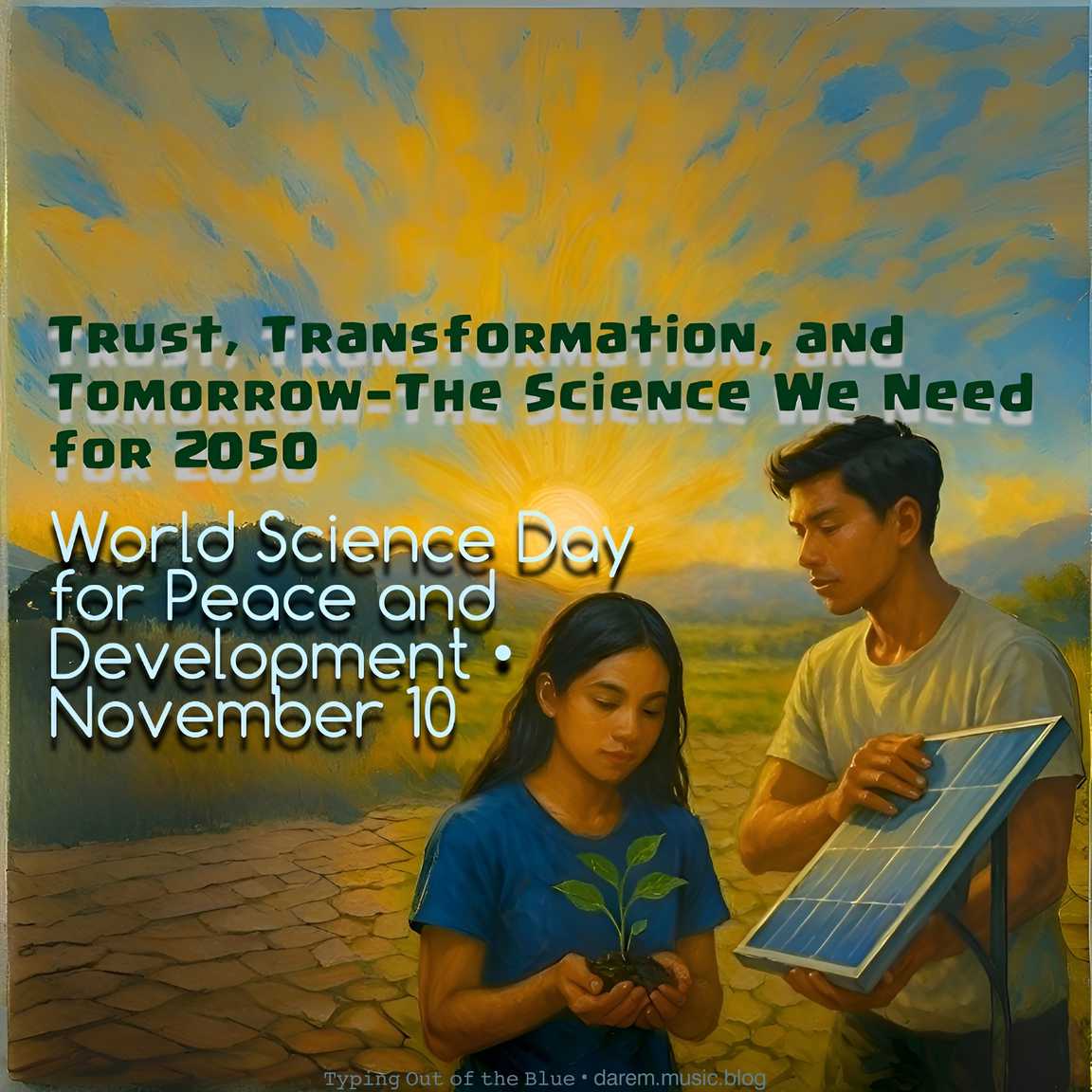
Trust, Transformation, and Tomorrow—The Science We Need for 2050

The world is changing fast. By 2050, young minds can use science to repair what’s broken and rebuild peace.

Every November 10, the world celebrates World Science Day for Peace and Development—a reminder that science carries a duty to serve people and protect life.

Trust keeps science alive. People believe in it when it stays honest, fair, and transparent. Truth builds peace.

Transformation turns ideas into action. Real change happens when discoveries reach streets, rivers, farms, and homes—when they heal, protect, and improve daily life.

Today, the world faces climate change, health threats, food insecurity, and the ethics of artificial intelligence. These are not distant problems—they are here now. By 2050, they could either define our downfall or show how far wisdom and compassion can take us.

The Science We Need for 2050 is a call to conscience. The world needs knowledge guided by care and humanity—science that listens before it leads. It must face crises with fairness, courage, and purpose.

World Science Day for Peace and Development reminds us that understanding the world is only the beginning. What we do with that understanding decides its future.

⌨ ᴛʸᵖⁱⁿᵍ ᴏᵘᵗ ᵒᶠ ᵗʰᵉ ʙˡᵘᵉ ᵈᵃʳᵉᵐ ᵐᵘˢⁱᶜ ᵇˡᵒᵍ
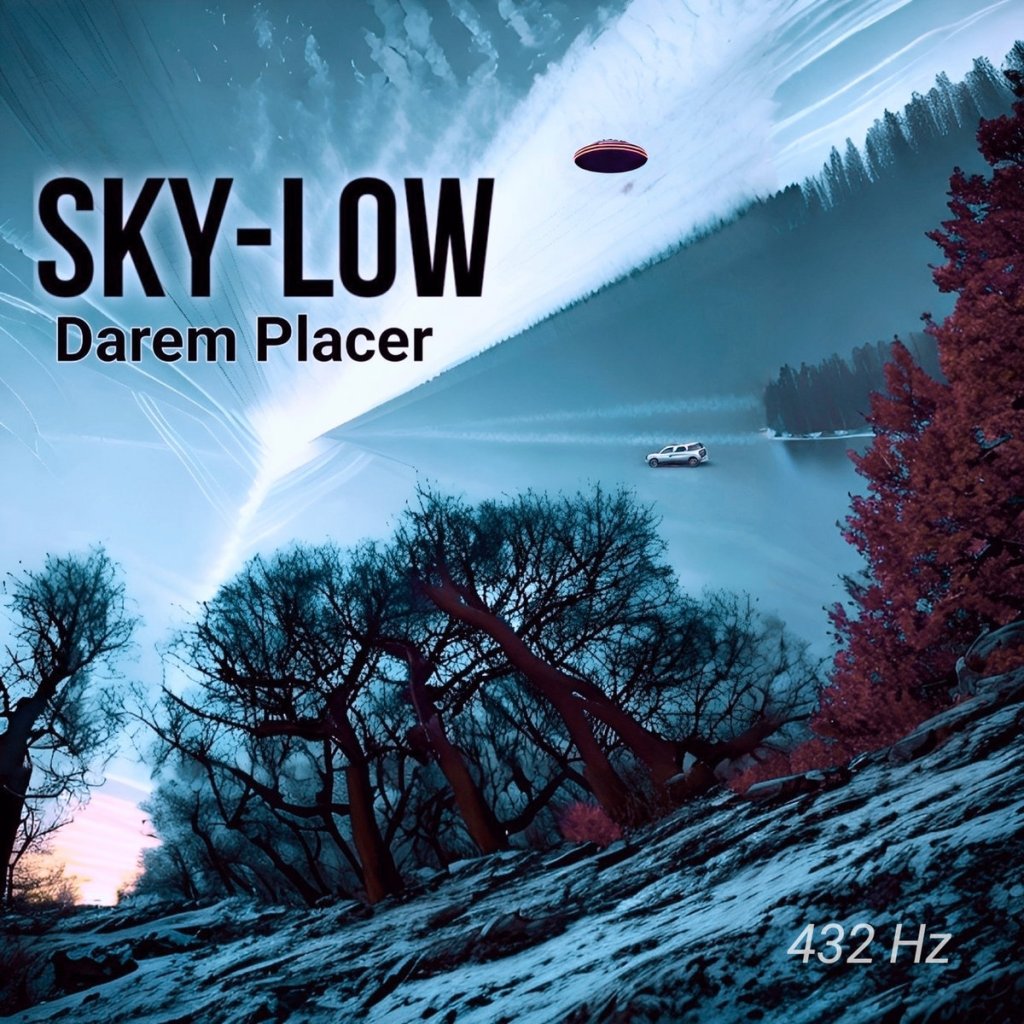
👉 Download Sky-Low on Bandcamp

💿 Just type 0 if you want to download the album for free.

Sky-Low
“Sky-Low” is not just an album—it’s an awareness campaign about climate change and a challenge to protect our planet.