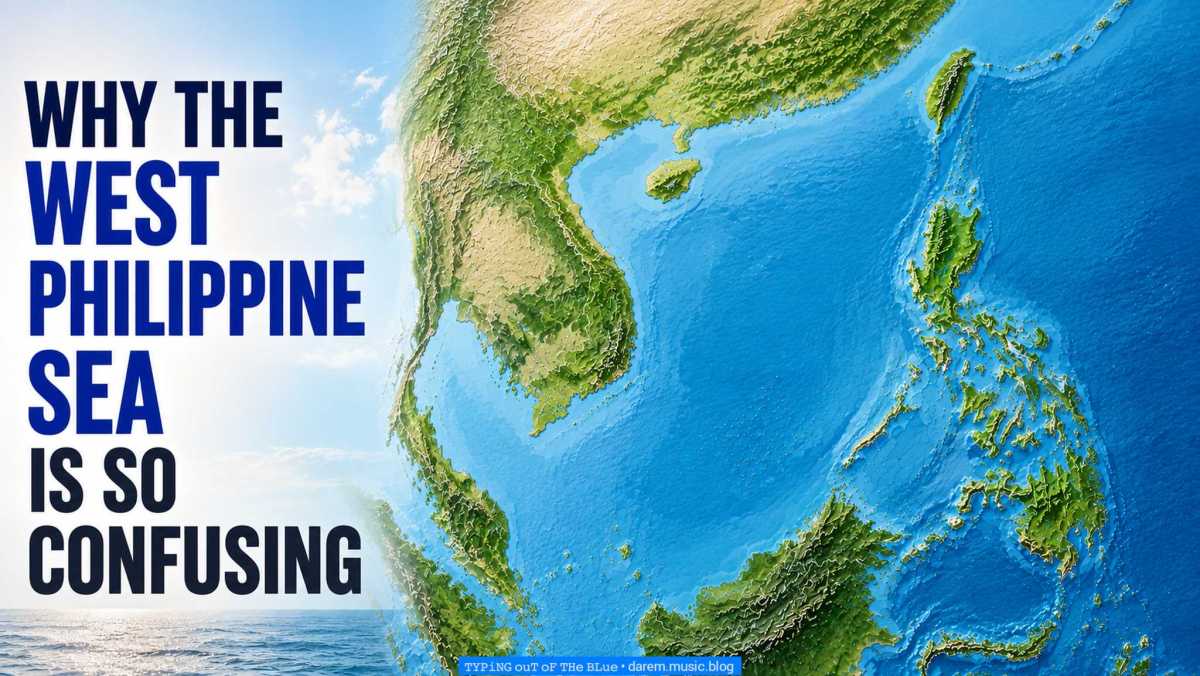
Naming the Sea

Giving names is not just labeling a map. It shapes how places are seen, used, and remembered.

The Philippines assigned Filipino names to 131 features in the Kalayaan Island Group (West Philippine Sea), while their internationally known names continue to be used.

The list below shows some of the names publicly mentioned in available sources. The complete list of 131 features is found in the annex of Executive Order No. 111.

MAIN FEATURES

• Pag-asa Island (Thitu Island) 
• Likas Island (West York Island) 
• Parola Island (Northeast Cay) 
• Kota Island (Loaita Island) 
• Lawak Island (Nanshan Island) 
• Panata Island (Lankiam Cay) 
• Patag Island (Flat Island) 
• Rizal Reef (Commodore Reef) 

KEY REEFS

• Zamora Reef (Subi Reef) 
• Julian Felipe Reef (Whitsun Reef) 
• Panganiban Reef (Mischief Reef) 
• Mabini Reef (Johnson South Reef) 
• Burgos Reef (Gaven Reef) 
• Calderon Reef (Cuarteron Reef) 
• Gabriela Silang Reef (Fiery Cross Reef) 
• Bonifacio Reef (Eldad Reef) 
• Luna Reef (McKennan Reef) 
• Del Pilar Reef (Namyit Reef) 
• Aguinaldo Reef (Half Moon Shoal) 

SHOALS AND BANKS

• Bajo de Masinloc (Scarborough Shoal) 
• Ayungin Shoal (Second Thomas Shoal) 
• Escoda Shoal (Sabina Shoal) 
• Recto Bank (Reed Bank) 
• Buliluyan Shoal (Iroquois Reef) 
• Balagtas Reef (Irving Reef) 
• Roxas Reef (Investigator Shoal) 
• Quezon Shoal (Royal Captain Shoal) 

Other names mentioned

• Silang Shoal 
• Katipunan Reef 
• Kalayaan Bank 
• Mabuhay Reef 
• Diwata Reef 
• Lapu-Lapu Reef 
• Malaya Shoal 
• Bagani Reef 
• Bantay Reef 
• Dagat Shoal 
• Silangan Reef 
• Kanluran Reef 
• Hilaga Shoal 
• Timog Reef 

These names do something simple but important. They bring consistency to maps and official use, give agencies and schools a shared reference, and make each reef, shoal, and bank easier to identify. They also support coordination in mapping, patrol, and research. They also come at a time when these waters are being questioned and challenged. Giving them Filipino names is a quiet but firm way of expressing Philippine presence. It puts a clear identity on places that might otherwise be seen as distant or disputed. It is not loud, but it is deliberate. In a situation where presence matters, even a name carries weight. And once a place is named, it is no longer distant. It becomes something that belongs—and something worth standing for.

ᴛʸᵖⁱⁿᵍ ᴏᵘᵗ ᵒᶠ ᵗʰᵉ ʙˡᵘᵉ ᵈᵃʳᵉᵐ ᵐᵘˢⁱᶜ ᵇˡᵒᵍ

Piano Painting•Darem Placer

Really? We’re Happy About Chinese New Year?

Why do people still celebrate Chinese New Year despite political tensions? A look at culture beyond politics.

Every year, when Chinese New Year comes, we see red lanterns, dragon dances, fireworks, and families gathering. Malls decorate. Restaurants promote special meals. Friends greet each other with “Gong Xi Fa Cai.”

But here’s the honest question.

Some people openly criticize China’s government. There are political tensions. There are economic issues. There are disputes in the West Philippine Sea. There are strong opinions online.

So why are people still happy about Chinese New Year?

Because culture is not the same as politics.

Chinese New Year existed long before any modern government. It started as a seasonal and family celebration. It is about reunion, gratitude, fresh starts, and hope for prosperity. These are values people understand anywhere.

In the Philippines, the celebration is no longer foreign. Filipino-Chinese communities have been part of local life for centuries. They built businesses. They raised families. They became neighbors. Over time, the celebration became shared culture, not imported politics.

When people watch a dragon dance or eat tikoy, they are not taking a political side. They are continuing a tradition.

Tradition spreads through families and communities. Politics spreads through policies and leaders. They move in different ways.

Governments change. Leaders change. Policies change.

Culture remains.

We can disagree with a government and still respect its people. We can question state actions and still appreciate heritage. Those two things do not cancel each other.

Maybe it is a good sign that many people understand that difference.

Chinese New Year continues because it speaks about family, luck, and new beginnings. It does not ask anyone to choose a side. It invites people to gather and share a meal.

And as 2026 welcomes the Year of the Horse, people are not debating borders. They are thinking about moving forward, working hard, and starting again.

⌨ ᴛʸᵖⁱⁿᵍ ᴏᵘᵗ ᵒᶠ ᵗʰᵉ ʙˡᵘᵉ ᵈᵃʳᵉᵐ ᵐᵘˢⁱᶜ ᵇˡᵒᵍ

Rosette One • Darem Placer