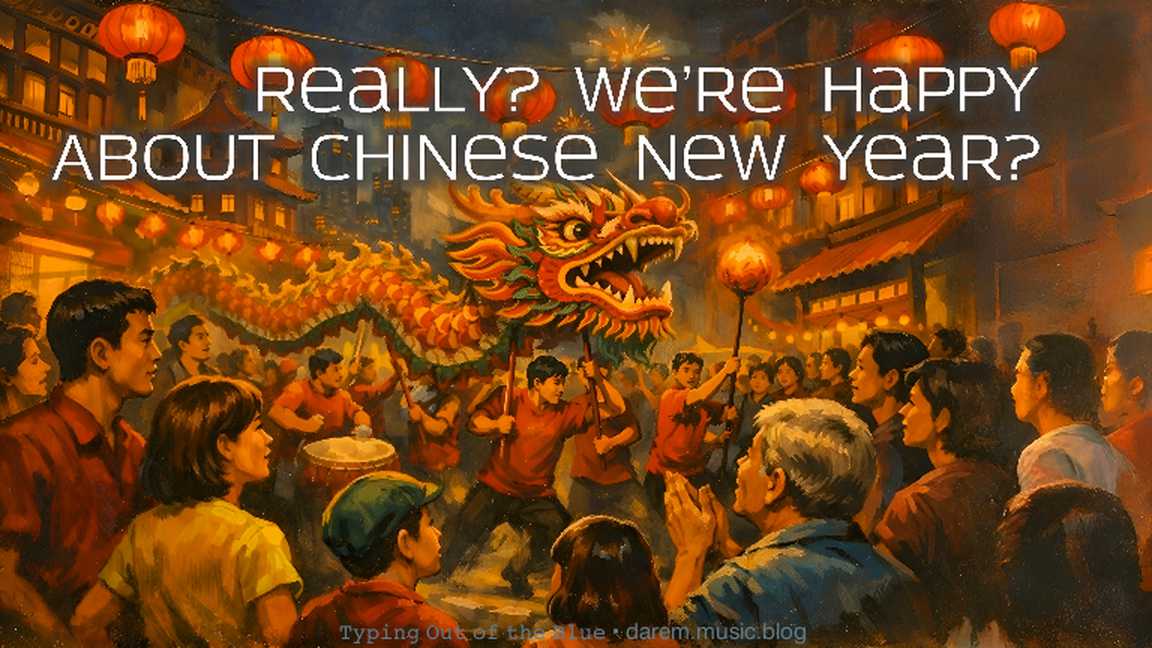
Every year, when Chinese New Year comes, we see red lanterns, dragon dances, fireworks, and families gathering. Malls decorate. Restaurants promote special meals. Friends greet each other with “Gong Xi Fa Cai.”
But here’s the honest question.
Some people openly criticize China’s government. There are political tensions. There are economic issues. There are disputes in the West Philippine Sea. There are strong opinions online.
So why are people still happy about Chinese New Year?
Because culture is not the same as politics.
Chinese New Year existed long before any modern government. It started as a seasonal and family celebration. It is about reunion, gratitude, fresh starts, and hope for prosperity. These are values people understand anywhere.
In the Philippines, the celebration is no longer foreign. Filipino-Chinese communities have been part of local life for centuries. They built businesses. They raised families. They became neighbors. Over time, the celebration became shared culture, not imported politics.
When people watch a dragon dance or eat tikoy, they are not taking a political side. They are continuing a tradition.
Tradition spreads through families and communities. Politics spreads through policies and leaders. They move in different ways.
Governments change. Leaders change. Policies change.
Culture remains.
We can disagree with a government and still respect its people. We can question state actions and still appreciate heritage. Those two things do not cancel each other.
Maybe it is a good sign that many people understand that difference.
Chinese New Year continues because it speaks about family, luck, and new beginnings. It does not ask anyone to choose a side. It invites people to gather and share a meal.
And as 2026 welcomes the Year of the Horse, people are not debating borders. They are thinking about moving forward, working hard, and starting again.
⌨ ᴛʸᵖⁱⁿᵍ ᴏᵘᵗ ᵒᶠ ᵗʰᵉ ʙˡᵘᵉ ᵈᵃʳᵉᵐ ᵐᵘˢⁱᶜ ᵇˡᵒᵍ