Saint Edward the Confessor

Amid the noise of power and pride, one king proved that peace can rule louder than any sword.

The King Who Ruled Without Noise

In the 11th century, when kings proved power through conquest, King Edward the Confessor ruled by peace. While others built empires through blood, he built trust through patience. When his court was full of greed and noise, he’d quietly walk out and pray, saying, “Lord, make me rule with peace, or take the crown from me.”

He didn’t need to roar to be heard. His silence had weight. His fairness outlasted swords. He’s probably the only medieval king remembered more for peace than conquest—and that’s what made him rare.

Maybe that’s why England remembered him—not as a warrior, but as a confessor: one who lived his faith instead of preaching it.

Today, his story speaks to every heart tired of the noise. In a world obsessed with control, King Edward reminds us that power means nothing without conscience. That true leadership begins where ego ends.

We don’t need thrones to follow his path. Just moments where we choose peace over pride, calm over chaos, kindness over winning.

It wasn’t his crown that made him a saint—it was his calm.

⌨ ᴛʸᵖⁱⁿᵍ ᴏᵘᵗ ᵒᶠ ᵗʰᵉ ʙˡᵘᵉ ᵈᵃʳᵉᵐ ᵐᵘˢⁱᶜ ᵇˡᵒᵍ
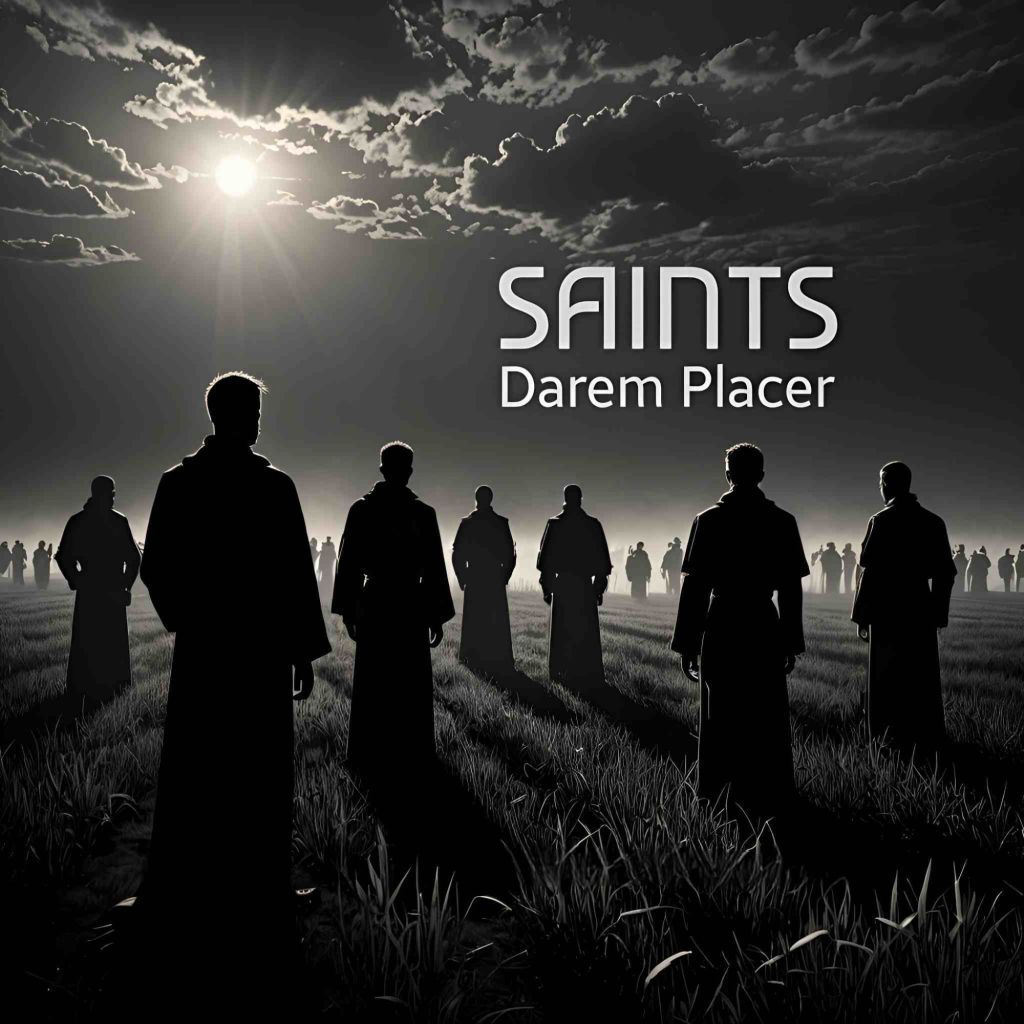
Traces of courage, silence, and sacrifice—this is Saints.

Listen on Apple Music, Apple Music Classical, and YouTube Music

The Fresh Air of Pope Saint John XXIII

He opened the Church’s windows and let the Spirit move again—faith breathing fresh air after years of silence.

Before Pope John XXIII came along, the Church felt… sealed. Like a room that hadn’t been opened for years. The air was heavy with old rules, Latin prayers only few could follow, and a sense of distance between the altar and the people. Faith was sacred, yes—but sometimes too serious, too far from everyday life.

Then came Angelo Roncalli, a simple man with a big heart and an even bigger smile. When he became pope in 1958, people thought he’d just keep things calm. Instead, he opened the windows—literally and spiritually. He said it was time to “let in some fresh air.”

That fresh air became the Second Vatican Council (1962–1965), and suddenly, things began to move.

Mass was finally spoken in languages people could understand—so prayers sounded like home again. Priests faced the people, not the wall. The Church began talking to the world instead of talking about it. Love became the language, not fear. And holiness didn’t stay in the hands of priests—it was shared with everyone.

The Church started to breathe again.

It became warmer, simpler, more alive. That “fresh air” wasn’t rebellion—it was renewal. A reminder that faith isn’t supposed to be locked inside a museum. It’s meant to live, to move, to grow with time.

U Need Fresh Air • Darem Placer
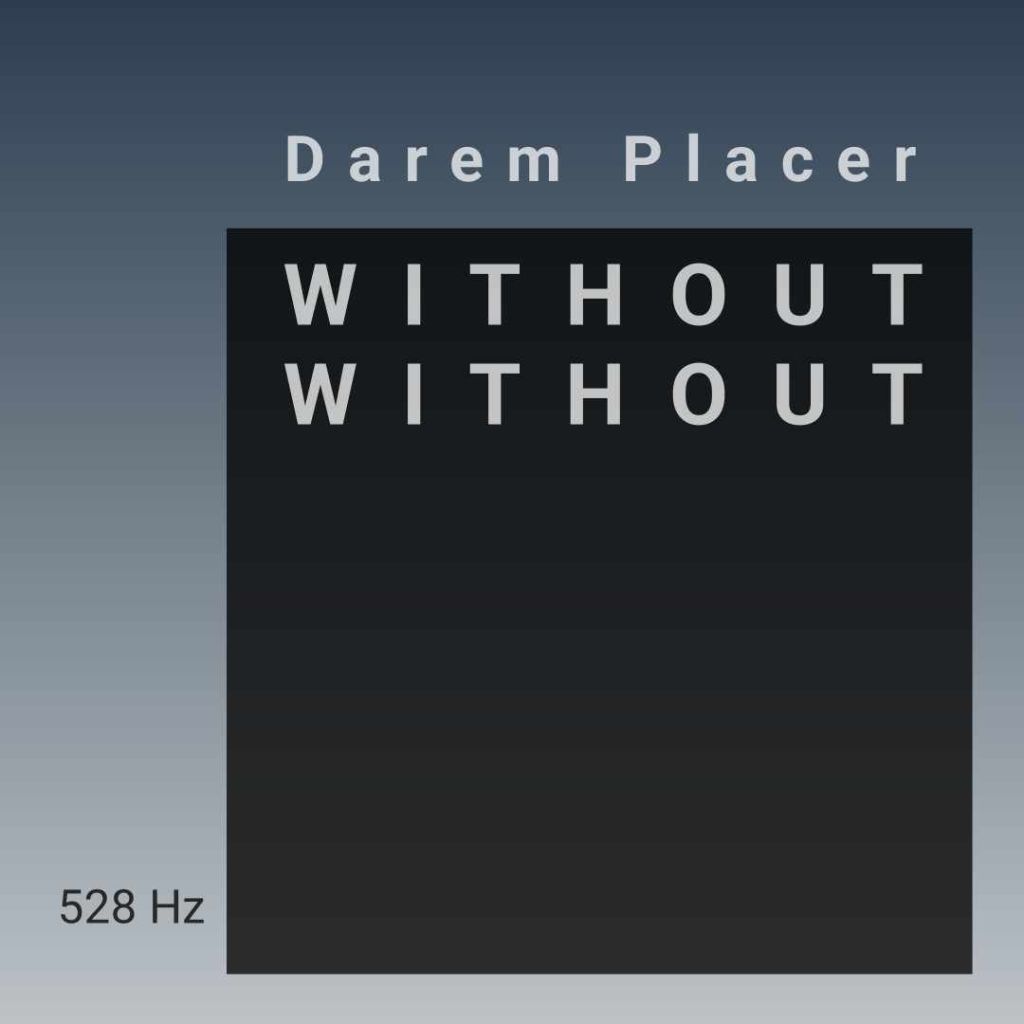
Without Without includes U Need Fresh Air

Listen on Apple Music and Apple Music Classical

⌨ ᴛʸᵖⁱⁿᵍ ᴏᵘᵗ ᵒᶠ ᵗʰᵉ ʙˡᵘᵉ ᵈᵃʳᵉᵐ ᵐᵘˢⁱᶜ ᵇˡᵒᵍ