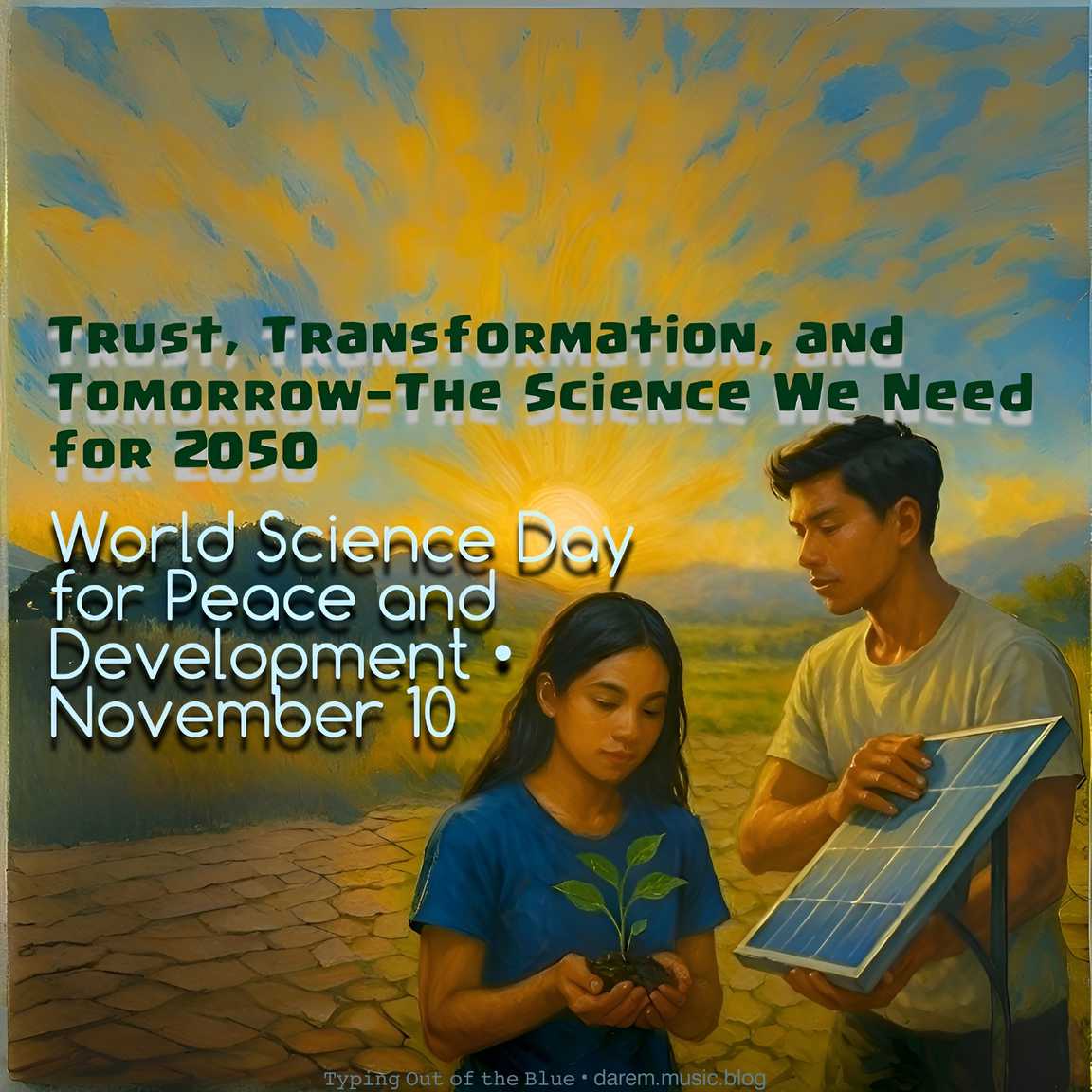
The world is changing fast. By 2050, young minds can use science to repair what’s broken and rebuild peace.
Every November 10, the world celebrates World Science Day for Peace and Development—a reminder that science carries a duty to serve people and protect life.
Trust keeps science alive. People believe in it when it stays honest, fair, and transparent. Truth builds peace.
Transformation turns ideas into action. Real change happens when discoveries reach streets, rivers, farms, and homes—when they heal, protect, and improve daily life.
Today, the world faces climate change, health threats, food insecurity, and the ethics of artificial intelligence. These are not distant problems—they are here now. By 2050, they could either define our downfall or show how far wisdom and compassion can take us.
The Science We Need for 2050 is a call to conscience. The world needs knowledge guided by care and humanity—science that listens before it leads. It must face crises with fairness, courage, and purpose.
World Science Day for Peace and Development reminds us that understanding the world is only the beginning. What we do with that understanding decides its future.
2100 sounds far, but the planet’s already heating fast—each decade is a chance to cool it down before it’s too late.
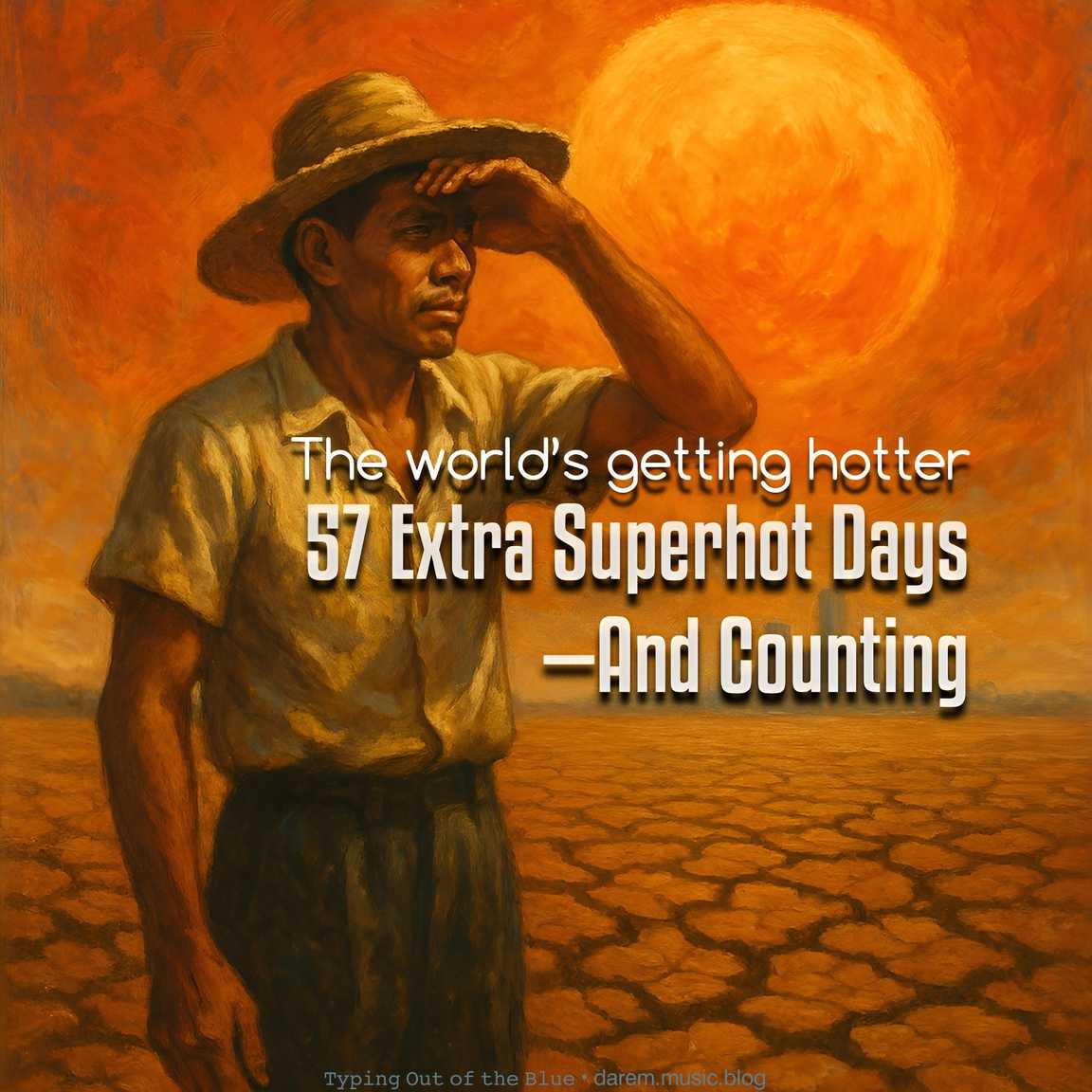
The world’s getting hotter—literally. A new study says we’re heading for around 57 more “superhot” days every year by the end of this century. A “superhot” day means one that’s hotter than 90% of what used to be normal for that place—whether that’s 38°C in Manila or 30°C in London.
That’s year 2100. Sounds far, right? But it’s not some sci-fi future—it’s the direction we’re already walking into today.
Every decade we ignore adds heat our kids will live through. It’s not “too far.” It’s too close if wekeep pretending it’s not our problem.
🌍 The unfair heat
Big countries create most of the pollution, but small countries pay the bigger price. Small island nations like Samoa, Panama, and the Solomon Islands don’t have huge factories or millions of cars, yet they’re surrounded by oceans that trap more heat and make their air more humid. That means their temperatures rise faster, their crops dry quicker, and their people suffer longer.
Meanwhile, richer nations that caused most of the carbon buildup can afford cooling systems and better healthcare—so they feel the heat less, even when it’s the same sun. It’s not just science. It’s injustice in slow motion.
🌡 Heat with no mercy
Scientists now warn that heatwaves are changing—longer, harsher, deadlier. Europe already feels it tenfold. India’s heat now mixes with humidity, turning ordinary afternoons into survival tests.
Every “superhot” day means higher electricity use, more crops failing, and people—especially the poor—fainting, falling, and dying. This isn’t “climate drama.” It’s real life, heating up faster than our response.
⚖ Between hope and heat
Back in 2015, when countries agreed under the Paris Agreement, they helped slow down the planet’s heating. Without that agreement, the world could’ve faced around 114 extra superhot days every year instead of57. So yes—we can still change the story.
The year 2100 isn’t a faraway doom date—it’s a signpost, warning us early enough to act. We can still cool the earth if we move together—less greed, more care, more action. The clock isn’t just ticking—it’s burning. But that means there’s still time to turn off the fire.