The Night Saint Francis Xavier Woke Up a Sleeping Town

He rang a forgotten church bell and changed the rhythm of a town.

Goa, India, in the 1500s was alive at night—crowded streets, loud drinking, and restless noise everywhere. In the middle of it all stood a small church that people no longer cared about. It was dusty, quiet, and forgotten, as if faith had slowly faded out of the town.

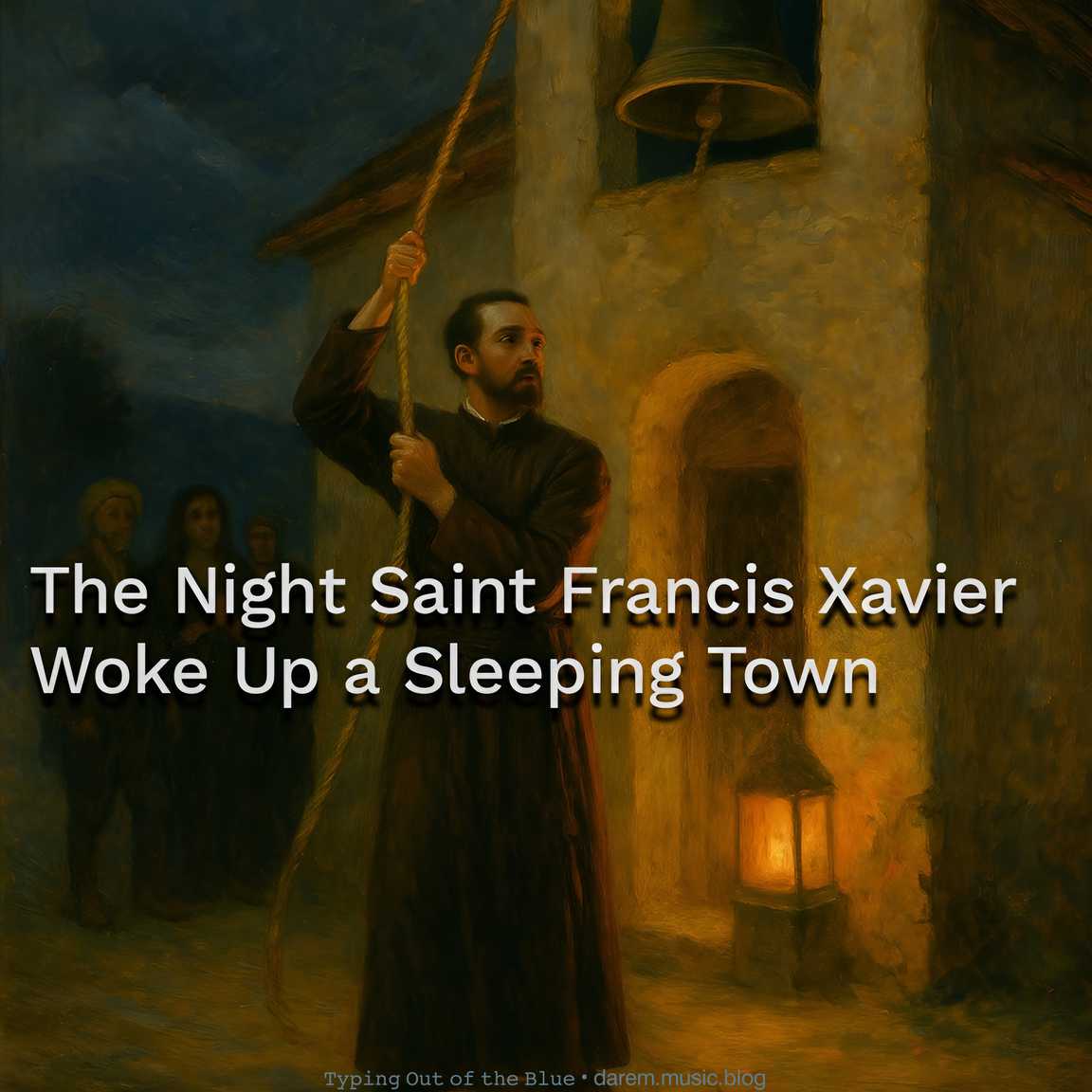
When Father Francis Xavier, a Spanish priest from the Kingdom of Navarre in northern Spain near the French border, arrived and saw that emptiness, he didn’t wait for permission or a perfect plan. One night, he simply stepped outside, took the rope of the neglected church bell, and rang it with all his strength.

The sudden sound cut through the streets and pulled people out of their homes. They came out annoyed and curious, expecting to find an official causing trouble. Instead, they saw a thin, travel-worn priest standing by the bell, completely calm, as if this midnight disturbance was intentional.

He looked at them and said, “Come. Pray with me.”

A few stayed. The next night, more returned. Soon the forgotten church began to breathe again—not because of a dramatic miracle, but through one stubborn act that refused to let silence take over a community that had stopped listening.

And that is the rare beauty of this moment: Father Francis Xavier didn’t wait for the right conditions. He created them. One bell, one night, one act of quiet courage that shifted the rhythm of a town—just one of the many reasons the world later came to know him as Saint Francis Xavier.

⌨ ᴛʸᵖⁱⁿᵍ ᴏᵘᵗ ᵒᶠ ᵗʰᵉ ʙˡᵘᵉ ᵈᵃʳᵉᵐ ᵐᵘˢⁱᶜ ᵇˡᵒᵍ

Traces of courage, silence, and sacrifice—this is Saints.

Listen on Apple Music, Apple Music Classical, and YouTube Music
Saint Roque Gonzalez—A Priest Who Put People First

A priest who put people first, choosing their safety before any building or plan.

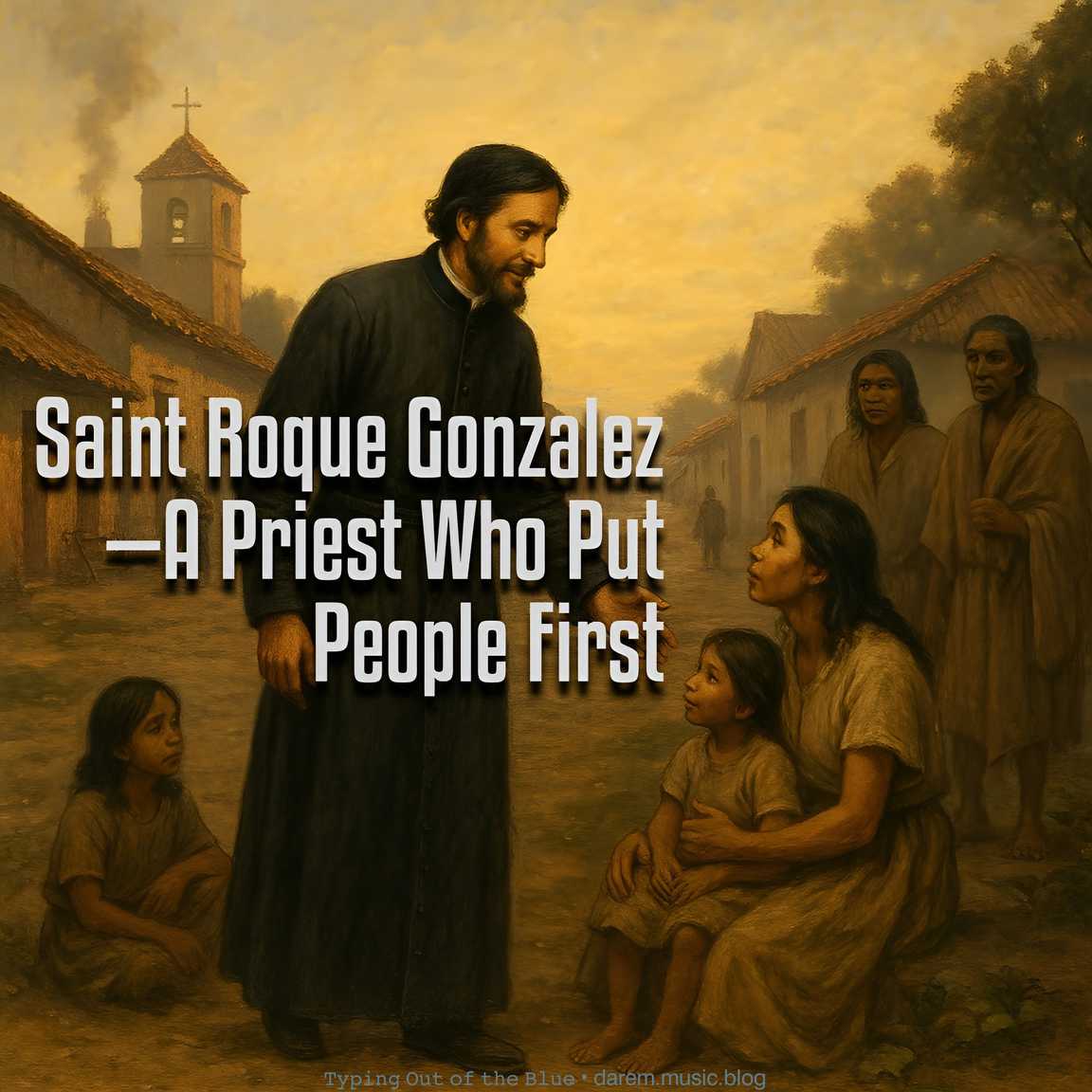
In the early 1600s, in the Rio de la Plata region of South America—today’s Paraguay, Argentina, and Brazil—Jesuit priest Roque González worked among the Guaraní people who trusted him enough to call him Pa’i Roque, their own word for priest.

Life in the missions was fragile. Raids, fires, and sudden conflict could damage a whole community overnight. In most mission settlements of that time, the usual response was clear: rebuild the chapel first. The chapel served as the center of the town, the place for prayer, teaching, meetings, and even storage. Restoring it meant restoring order.

But Roque did not start with structures.

Jesuit letters describe him as the kind of priest who checked on people before anything else—who was hurt, who had food, who had lost shelter, and which families needed immediate help. He believed a mission was not defined by buildings. It lived or died through the people who formed it.

So when trouble came, Pa’i Roque focused on stabilizing the community. He organized food, found temporary shelter, and made sure families could recover before larger rebuilding began. Only after the people were safe did he turn to the chapel or any other structure.

That is why the Guaraní trusted him. He didn’t lead from above.
He stood beside them—with their worries, their needs, and their hope.

Pa’i Roque was not just a priest in their land.

He was a priest on their side.

⌨ ᴛʸᵖⁱⁿᵍ ᴏᵘᵗ ᵒᶠ ᵗʰᵉ ʙˡᵘᵉ ᵈᵃʳᵉᵐ ᵐᵘˢⁱᶜ ᵇˡᵒᵍ

Traces of courage, silence, and sacrifice—this is Saints.

Listen on Apple Music, Apple Music Classical, and YouTube Music