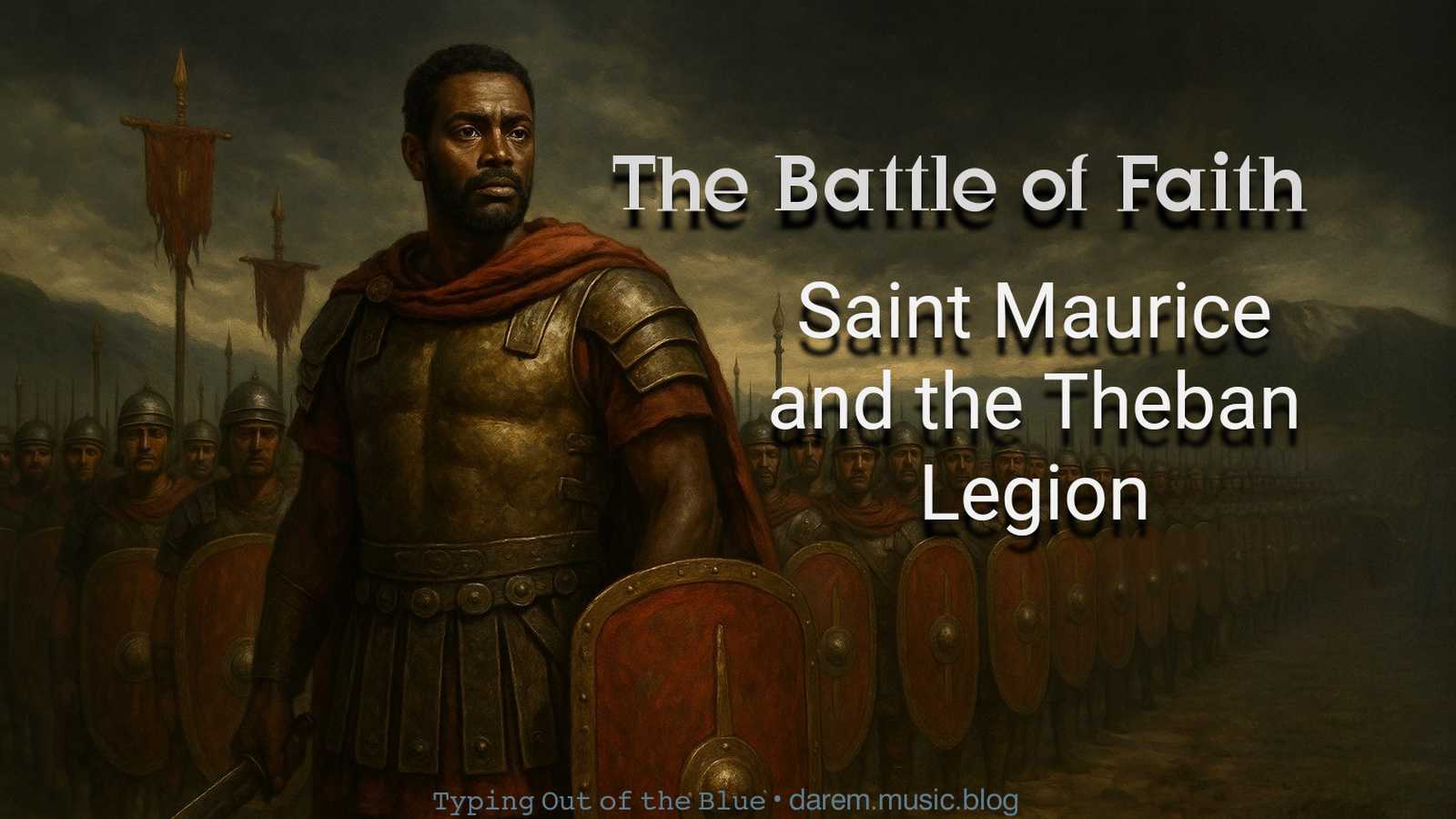
The Battle of Faith

An entire legion faced a choice—loyalty to empire, or loyalty to Christ.

Saint Maurice and the Theban Legion

Most martyrs died alone. Some died in small groups. But this story is different—Maurice stood with more than 6,600 Christian soldiers, all ready to die with him.

This legion was known as the Theban Legion—because they came from Thebes in Egypt. It was one of the strongest units of the Roman army. Around 285 AD, Emperor Maximian sent them to Gaul, in what is now Switzerland.

The emperor gave them two commands:

• join in sacrifices to the Roman gods
• attack fellow Christians in the area

Maurice and his men refused. They declared: We will serve Rome faithfully as soldiers—but we cannot betray Christ.

The emperor was furious. First he ordered “decimation”—every tenth soldier executed. Still, the legion stood firm. A second decimation followed, yet not one gave in. At last, the emperor commanded the execution of them all. More than 6,600 trained warriors chose death together rather than deny their faith.

This was not the ordinary story of a single martyr—it was an entire army laying down their swords. Maurice and the Theban Legion show us that true courage is not counted in victories won, but in the strength to stand together for what is right—even when the world’s sword is raised against you.

Maurice was honored with the name Saint Maurice—and his Theban Legion is remembered as an army of martyrs whose witness still burns like fire.

ᴛʸᵖⁱⁿᵍ ᴏᵘᵗ ᵒᶠ ᵗʰᵉ ʙˡᵘᵉ ᵈᵃʳᵉᵐ ᵐᵘˢⁱᶜ ᵇˡᵒᵍ
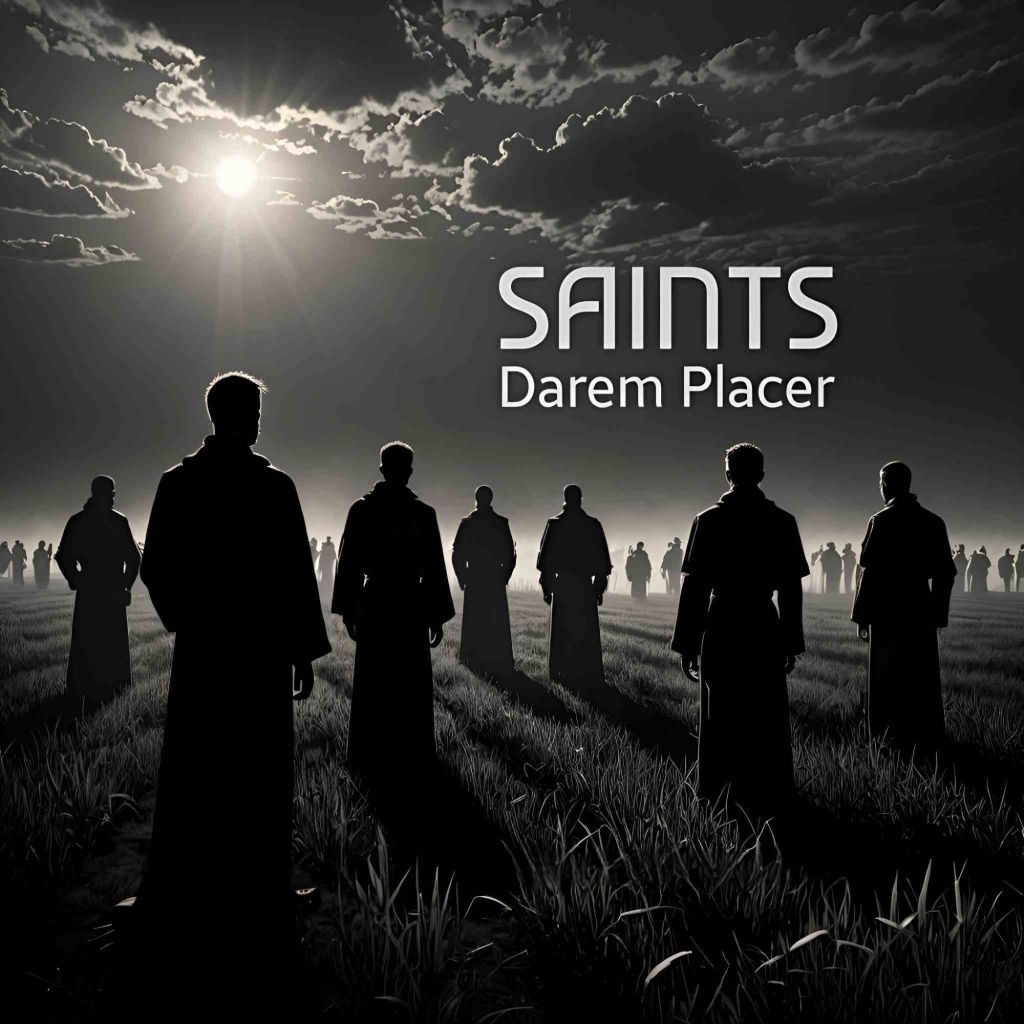
Traces of courage, silence, and sacrifice—this is Saints.

Listen on Apple Music, Apple Music Classical, and YouTube Music

The Cool Story of Stan

He wasn’t after power or status. This Polish teen walked out on comfort to chase something greater.

Saint Stanisław Kostka

Stanisław Kostka was born in 1550 in Poland, a rich kid with a restless heart. His family’s wealth could have given him an easy life, but he wanted something greater.

At fourteen, he was sent to study at a Jesuit school in Vienna. That’s where his heart caught fire. He felt called to give his life to God. The problem? His father wanted him to be a politician, not a saint.

The fight was real. His family had their plans, but Stan had his own. He didn’t rebel with noise or anger. Instead, he made a quiet walkout of faith.

And when I say walkout, I mean it. He walked more than four hundred miles—from Vienna through Augsburg and finally to Rome—just to follow his calling. No money, no horse, no help. Only faith and courage pushed him forward.

In Rome, he was accepted as a Jesuit novice. But one year later, sickness struck. On August 10, 1568, he was hit with a sudden fever. Stan told his brothers in the community that he would die on the Feast of the Assumption, August 15. And just as he said, he passed away that night at only eighteen years old, after praying to Mary and entrusting himself completely to her.

Too young? Maybe. But Saint Stanisław’s short life shone like a lamp that, even for a moment, gave light to others.

Why his story’s cool

He showed that faith is stronger than family pressure and status.

He lived like a rebel—but a holy rebel—against a comfortable life, not against love.

He proved you don’t need a long life to make a big mark.

That’s why young people still see him as proof that courage can change everything.

It’s like the tagline of his life:

“Better one year wide awake than a lifetime half-asleep.”

ᴛʸᵖⁱⁿᵍ ᴏᵘᵗ ᵒᶠ ᵗʰᵉ ʙˡᵘᵉ ᵈᵃʳᵉᵐ ᵐᵘˢⁱᶜ ᵇˡᵒᵍ

Traces of courage, silence, and sacrifice—this is Saints.

Listen on Apple Music, Apple Music Classical, and YouTube Music