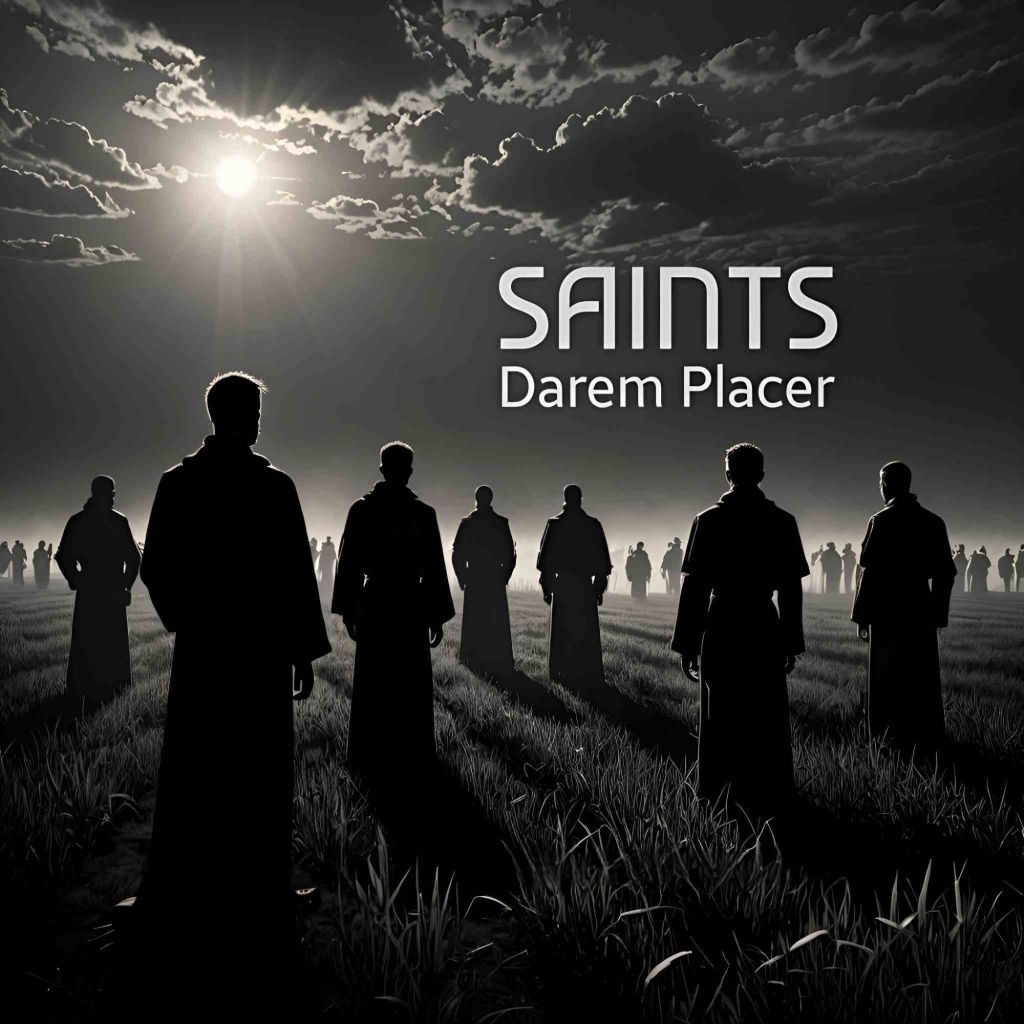
The Man Who Built Silence

A quiet carpenter built hidden spaces that saved lives—and kept their secrets to the end.

Nicholas lived in England during the late 1500s, a time when being a Catholic priest could cost you your life.

He was a carpenter. Small in size, but sharp and steady with his hands. While others preached or led, he built hiding places—secret rooms inside houses where priests could disappear when soldiers came searching. They called these “priest holes.”

These were crafted like puzzles inside walls, under floors, behind fireplaces. You wouldn’t know they were there unless he showed you.

And he worked alone most of the time. Just skill and purpose.

For years, he protected many priests this way.

Eventually, he was caught. Brought to the Tower of London. Tortured to force him to reveal the locations of those hidden spaces.

He said nothing.

Even under pain, he kept every secret sealed.

He died in 1606 for keeping those secrets.

Later, he was recognized by the Church as a martyr.

Some people build careers.
Saint Nicholas Owen built places that saved lives.

Let’s keep learning the saints’ way—day by day.

⌨ ᴛʸᵖⁱⁿᵍ ᴏᵘᵗ ᵒᶠ ᵗʰᵉ ʙˡᵘᵉ ᵈᵃʳᵉᵐ ᵐᵘˢⁱᶜ ᵇˡᵒᵍ
A Glimpse of Daylight•Darem Placer

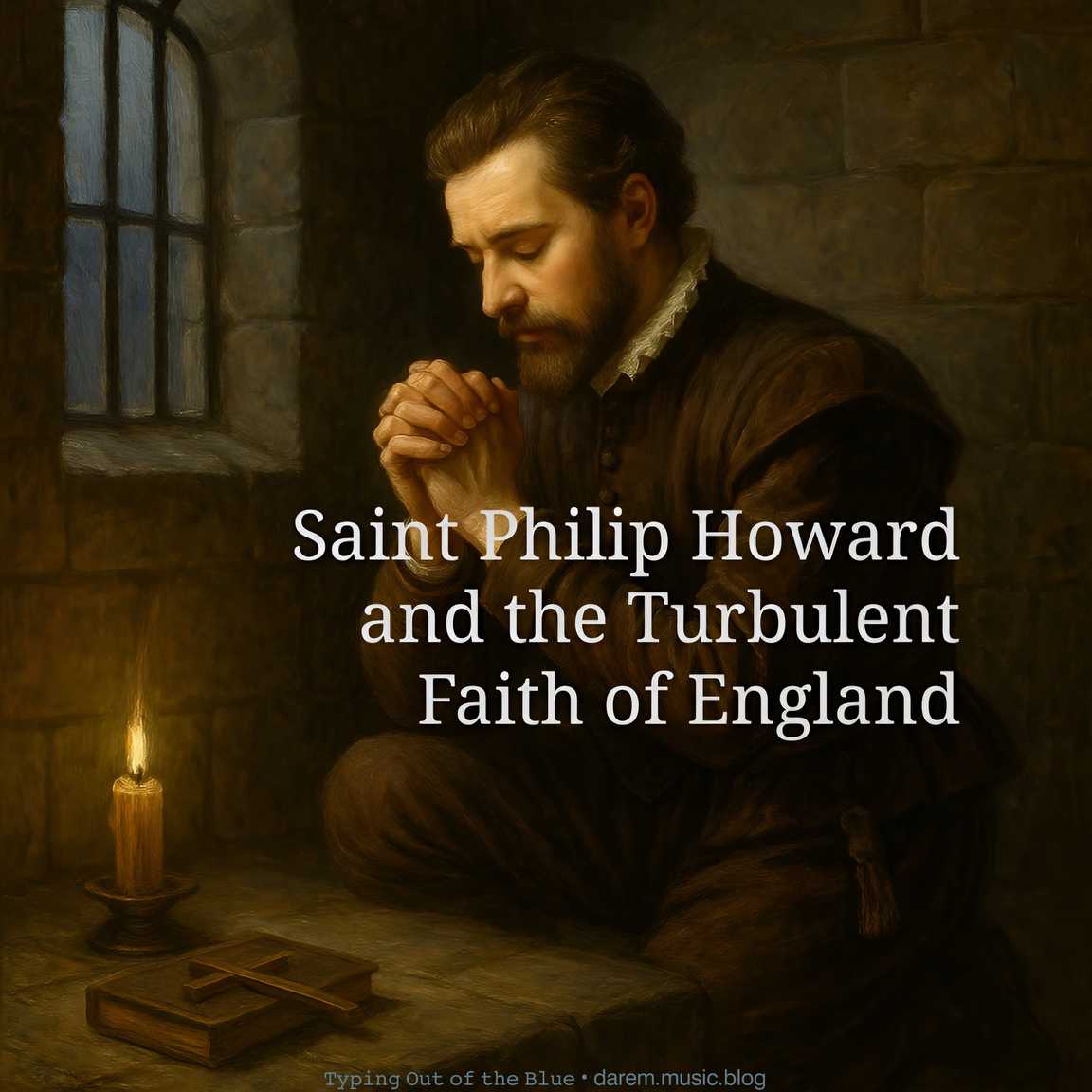
Saint Philip Howard and the Turbulent Faith of England

Amid England’s clash of faith and power, he chose conviction over comfort, standing firm in truth.

England in the 1500s was torn by faith and power. Queen Mary I ruled from 1553 to 1558, trying to bring the country back to Catholicism—but she did it with fire and fear. Many Protestants were executed, and her name became “Bloody Mary.” She ruled with fire and fear, and though history can’t say for sure, the vodka-tomato cocktail was probably named after her—Bloody Mary—for her bloody reign.

When her half-sister Elizabeth I took the throne in 1558, England turned Protestant again. The pendulum of faith swung from one extreme to another—each side sure it was saving souls.

Philip Howard was born in 1557, right in the middle of this chaos. He grew up wealthy, proud, and loyal to Queen Elizabeth’s court. Religion was politics, not faith. But as he watched the endless struggle between belief and power, something in him changed.

When he heard about the courage of Saint Edmund Campion, a priest who faced death defending his faith in 1581, Philip saw what true religion could be—quiet, brave, and pure. Not the kind that burned or punished, but the kind that endured.

At 27, he embraced the Catholic faith of his ancestors, knowing it could cost him everything. He tried to escape England to live freely, but he was caught and sent to the Tower of London in 1585, where he spent ten years. The Tower was not just a fortress—it also served as a royal prison for nobles and political prisoners. The queen offered him freedom if he would attend one Protestant service. He refused.

He died there in 1595, sick but steadfast. In 1970, he was declared one of the Forty Martyrs of England and Wales.

Today, Catholics and Protestants remember those times not with anger but with respect. Both sides had believers who suffered for conscience and truth. The focus now is on faithfulness to God, not fighting over church politics.

⌨ ᴛʸᵖⁱⁿᵍ ᴏᵘᵗ ᵒᶠ ᵗʰᵉ ʙˡᵘᵉ ᵈᵃʳᵉᵐ ᵐᵘˢⁱᶜ ᵇˡᵒᵍ
Traces of courage, silence, and sacrifice—this is Saints.

Listen on Apple Music, Apple Music Classical, and YouTube Music