The word “respect” is used everywhere today, but many of us no longer stop to ask what it really means.
In many places, respect is no longer about how a person lives or behaves. We often tie it to fear, fame, money, position, titles, or connections. Sometimes we use it simply to avoid trouble and keep things calm.
It looks like respect, but it is not. It becomes obedience, acting, and playing safe.
We see people demand respect because they hold power. We see others expect it because they are rich or influential. Some receive respect because they sound smart or confident. Some are “respected” only because people are afraid to speak.
There is also group-based respect. We are respected if we belong. If we do not, we are ignored or treated as less.
In this kind of system, loyalty often matters more than truth. Silence feels safer than honesty. Groups protect themselves even when they are wrong.
Slowly, we stop seeing people as people. We start seeing labels, ranks, and memberships instead.
Even polite words can lose their meaning. Words like “opo” were once spoken with care. They showed attention and humility. Over time, they can turn into habit. The word is said correctly, but the feeling is gone.
This is not unique to one culture. Many languages have polite words or forms of speech. English uses “sir” and “ma’am.” Other languages change how sentences are spoken. Different systems, same idea.
The problem is the same everywhere. When we use polite words without intention, they become empty.
When respect becomes automatic, expected, or fake, it slowly loses its value.
The irony is simple. We often talk most about respect in places where we struggle to practice it quietly.
Real respect does not need to be announced. We see it in how we act, how we speak, and how we listen.
And there is something higher than respect.
Dignity.
Dignity does not depend on money, power, or approval. It stays with us even when respect is gone. No one gives it to us. No one can take it away.
Respect comes from others. Dignity comes from within us.
People may respect us for the wrong reasons. But dignity is always ours.
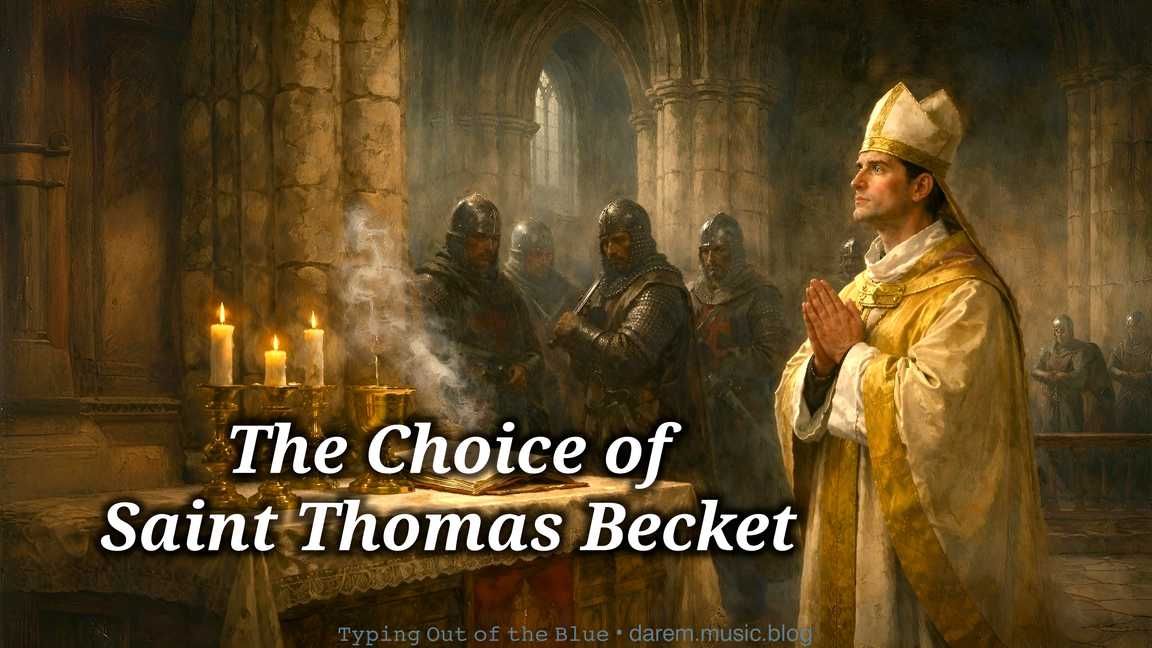
Higher than dignity is conscience. The choice to do what is right even when it costs comfort, safety, or popularity.
History does not remember who was praised the most. It remembers who stood firm when it was hard.
That is why dignity does not sound cool. It was never meant to.
Trends fade. Titles disappear. Words lose meaning.
Character stays.
And that is the only kind of respect worth keeping among people (Hitobito).

⌨ ᴛʸᵖⁱⁿᵍ ᴏᵘᵗ ᵒᶠ ᵗʰᵉ ʙˡᵘᵉ ᵈᵃʳᵉᵐ ᵐᵘˢⁱᶜ ᵇˡᵒᵍ