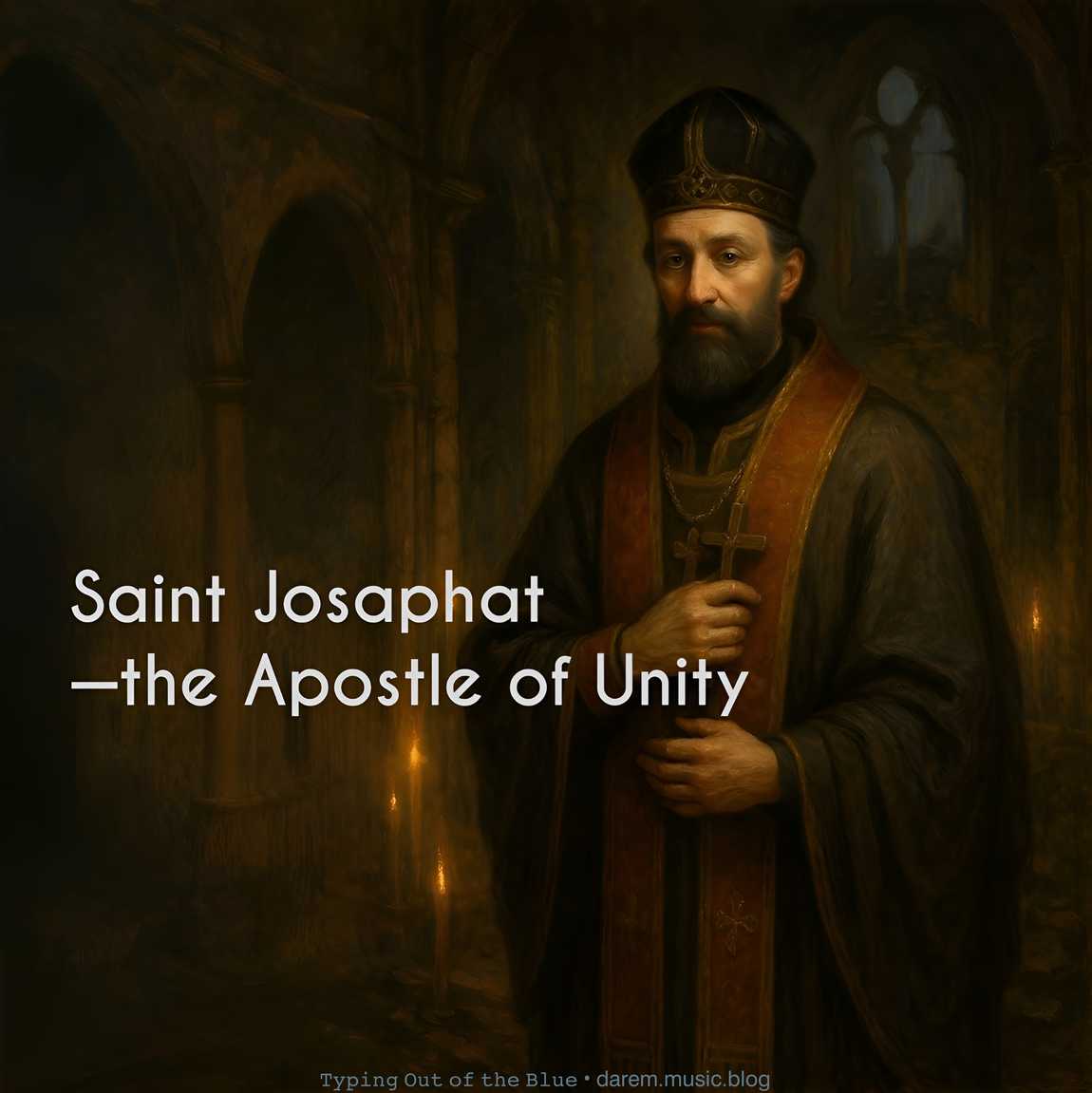
Saint Josaphat—the Apostle of Unity

He sought peace where others saw division—and paid with his life for daring to love beyond the walls of belief.

In a world torn by religious division, Archbishop Josaphat stood for something most people feared to defend—unity. Born in 1580 in Volhynia, a region that’s now part of northwestern Ukraine, he grew up in the Orthodox faith but later embraced communion with Rome, believing that faith should unite, not divide.

As Archbishop of Polotsk, a historic city in what is now Belarus, he kept the Eastern traditions alive while working to heal the split between the Orthodox and Catholic Churches. He didn’t fight with anger—he reasoned, preached, and lived peace. But unity always threatens pride. In 1623, a violent mob in Vitebsk, also in Belarus, struck him down. His blood became the price of harmony.

He didn’t live to see unity fulfilled—but that’s the power of his story. Saint Josaphat didn’t achieve unity—he chose it, even when the world around him didn’t. He became a bridge, a beginning, and sometimes that’s all history needs to keep faith alive.

⌨ ᴛʸᵖⁱⁿᵍ ᴏᵘᵗ ᵒᶠ ᵗʰᵉ ʙˡᵘᵉ ᵈᵃʳᵉᵐ ᵐᵘˢⁱᶜ ᵇˡᵒᵍ
Traces of courage, silence, and sacrifice—this is Saints.

Listen on Apple Music, Apple Music Classical, and YouTube Music
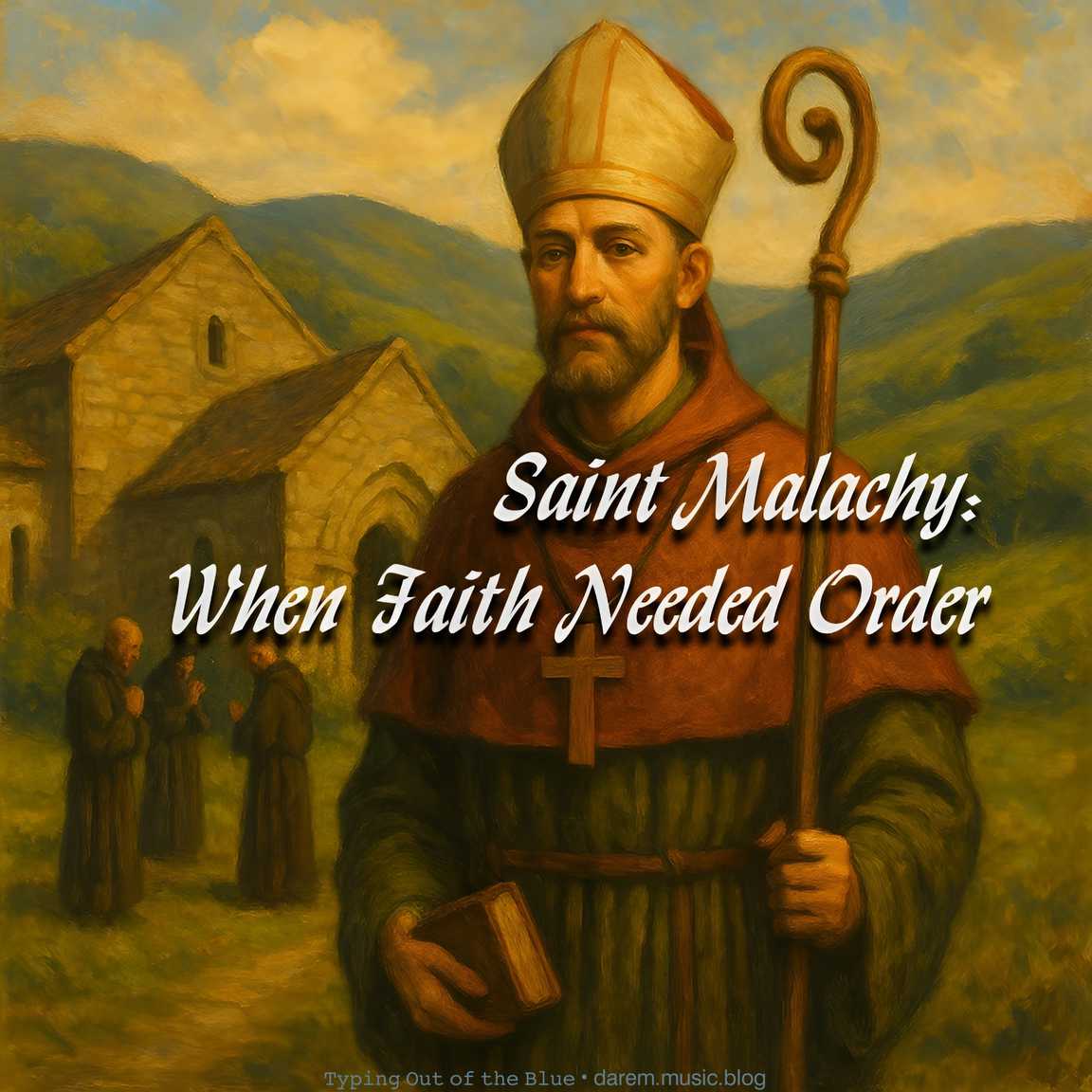
Saint Malachy: When Faith Needed Order

He didn’t seek control—only clarity. And through quiet reform, he turned confusion into peace that still echoes today.

In the early 1100s, the Church in Ireland had the heart but not the harmony. Monks prayed, abbots ruled, and bishops passed their titles like family treasures. It wasn’t scandalous, just uncoordinated. Think: different choirs singing one song, but in separate keys.

Malachy, who later became Archbishop of Armagh in Northern Ireland, stepped into that scene quietly. He didn’t come with power, only purpose. He saw that faith was alive but needed direction. So, he worked to bring unity. He reintroduced the Roman way of worship so that everyone prayed the same way again. He stopped the practice of families passing down church positions. He reminded priests to live simply and serve humbly. And he helped people rediscover confession—a forgotten path to peace.

Some leaders pushed back, not wanting change. But Malachy didn’t fight. He reformed through patience, kindness, and example. Slowly, people began to follow.

He built friendship with Saint Bernard of Clairvaux and helped Ireland reconnect with the rest of the Catholic world. When he died in France in 1148, the Church in Ireland was more united and alive than before.

Malachy wasn’t chasing control. He was restoring balance. Because when faith finds order, hearts find peace.

⌨ ᴛʸᵖⁱⁿᵍ ᴏᵘᵗ ᵒᶠ ᵗʰᵉ ʙˡᵘᵉ ᵈᵃʳᵉᵐ ᵐᵘˢⁱᶜ ᵇˡᵒᵍ

Traces of courage, silence, and sacrifice—this is Saints.

Listen on Apple Music, Apple Music Classical, and YouTube Music