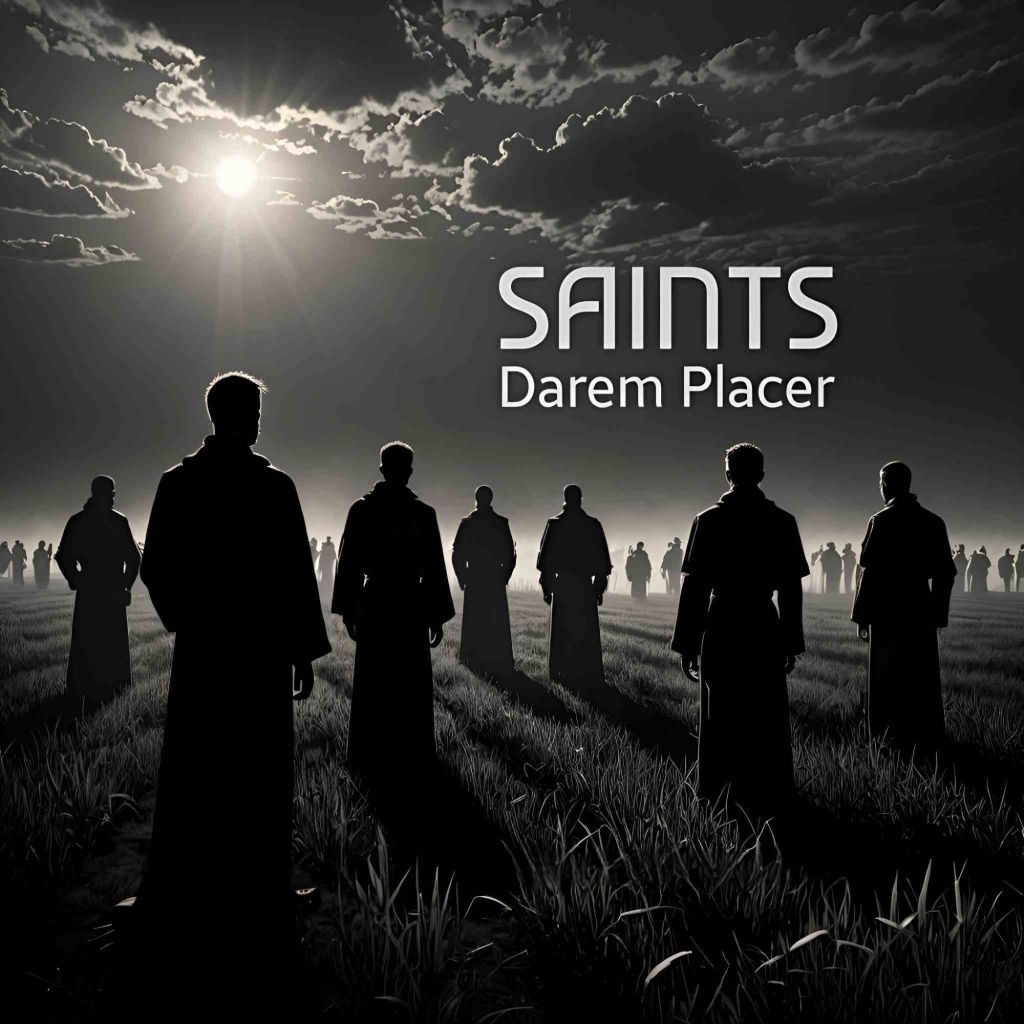
Saint Peter Damian—When Silence Was Not Enough

He refused to be silent.

Peter was born in Ravenna, Italy, around 1007. He lost his parents early and, according to early accounts, one older brother treated him harshly and even used him as a kind of servant. Poverty and neglect marked his early years.

Another brother, Damian, took him in and sent him to school. Out of gratitude, he added “Damian” to his name.

He became a respected scholar and teacher. Yet he chose a stricter life and entered a hermitage in Fonte Avellana. His days were shaped by prayer, fasting, and discipline, seeking to stand honest before God.

At that time, the Church faced serious moral struggles. Some clergy were corrupt. Some priests broke their vows. Authority was sometimes used for personal gain. Peter did not remain silent. He wrote firmly against abuse and the selling of Church positions. He spoke for truth, even when it carried risk.

Later, he was made Cardinal-Bishop of Ostia. Though he preferred the quiet life, he accepted the responsibility in obedience. As a papal representative, he traveled across Europe helping guide reform in the Church.

He lived in a difficult century. Instead of complaining, he first sought personal holiness. Then he spoke.

He died in 1072.

In 1828, he was declared Doctor of the Church by Pope Leo XII for his writings and influence.

Today, we also see flaws in systems, leadership, and communities. The easier response is sarcasm. The stronger path is personal reform first, then courageous truth.

Saint Peter Damian shows us that renewal begins within. If we desire a better society, we begin with real change in us.

Let’s keep learning the saints’ way—day by day.

⌨ ᴛʸᵖⁱⁿᵍ ᴏᵘᵗ ᵒᶠ ᵗʰᵉ ʙˡᵘᵉ ᵈᵃʳᵉᵐ ᵐᵘˢⁱᶜ ᵇˡᵒᵍ

The Quiet Between Piano Notes • Darem Placer

Saint Margaret—The Queen Who Lifted Scotland’s Heart

The steady-hearted queen who lifted a rough kingdom with quiet compassion and real faith.

Margaret arrived in Scotland around 1070, stepping into a kingdom that felt unfinished—rough borders, scattered people, and an old way of life still holding on. She came from a royal family, but her strength wasn’t her title. It was the quiet, steady way she moved through the world.

When she married King Malcolm III, she didn’t walk in to look powerful. She walked in to bring calm. Malcolm listened to her because she had that rare kind of clarity—the kind that settles a place just by being there.

Margaret opened the palace doors every day to feed anyone who needed help. No speeches, no grand gestures. Just simple, real care. She even sold her own belongings so families with nothing could make it through another day.

She helped reshape the Church in Scotland by bringing order, proper worship, learning, and a sense of direction. Nothing forceful. Just a gentle pull toward something better.

Her life ended in deep sorrow in 1093, days after learning that her husband and eldest son were killed in battle. Even then, she held her faith quietly, without drama.

People didn’t remember her because she wore a crown. They remembered her because she made the kingdom feel more human, more fair, more alive—and that’s why the world now knows her as Saint Margaret of Scotland.

⌨ ᴛʸᵖⁱⁿᵍ ᴏᵘᵗ ᵒᶠ ᵗʰᵉ ʙˡᵘᵉ ᵈᵃʳᵉᵐ ᵐᵘˢⁱᶜ ᵇˡᵒᵍ

Traces of courage, silence, and sacrifice—this is Saints.

Listen on Apple Music, Apple Music Classical, and YouTube Music