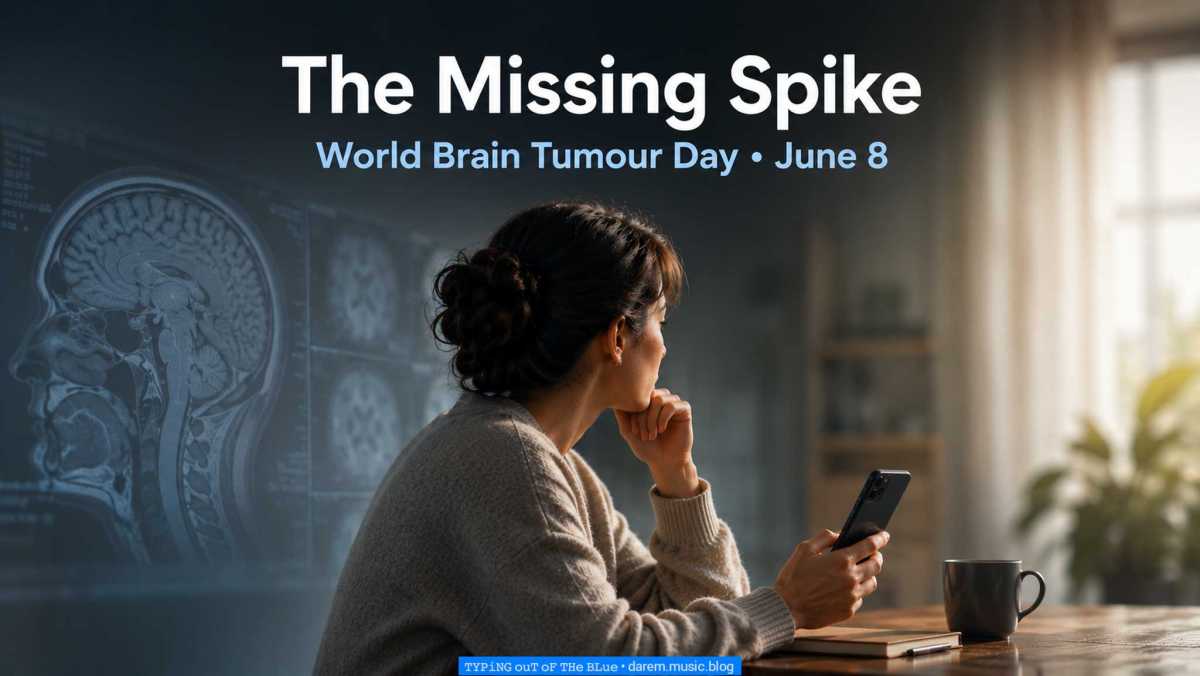
The Missing Spike

Researchers expected a clear rise in cases if wireless devices were a major cause. The data tells a more complicated story.

If cell phones and Wi-Fi cause brain tumors, why didn’t brain tumors become dramatically more common as these technologies spread around the world?

Brain tumors already existed long before cell phones, Wi-Fi, and the internet. When mobile phones became common in the 1990s and later spread to billions of people worldwide, scientists expected that if they were a major cause of brain tumors, there should be a clear and noticeable increase in brain tumor cases. Instead of relying on a single study or headline, researchers looked at the full body of evidence, comparing findings from different countries over many years, note by note.

That pattern has not been clearly observed.

In fact, one reason brain tumors may seem more common today is that doctors are much better at finding them. Modern MRI and CT scans can detect tumors that might have gone unnoticed decades ago. Cancer reporting systems are also more accurate than they used to be. On top of that, people are living longer, and some brain tumors are more common with age.

Another important detail is the type of radiation involved.

Cell phones and Wi-Fi use radio waves to send information. These radio waves do not have enough energy to directly damage DNA. X-rays and other forms of ionizing radiation do, which is why they are known to increase cancer risk.

Scientists continue to study cell phones and Wi-Fi because billions of people use them every day. Good science does not stop asking questions. It keeps testing ideas against real-world evidence.

After decades of research, there is still no strong evidence that normal use of cell phones or Wi-Fi has caused a large increase in brain tumors.

A simple question remains:

If cell phones were a major cause of brain tumors, where is the brain tumor epidemic that should have appeared as the number of users grew from millions to billions?

⌨ ᴛʸᵖⁱⁿᵍ ᴏᵘᵗ ᵒᶠ ᵗʰᵉ ʙˡᵘᵉ ᵈᵃʳᵉᵐ ᵐᵘˢⁱᶜ ᵇˡᵒᵍ

Unbroken Pieces of a Tangled Mind • Darem Placer • Full album. Press play.

Progress Is Happening

Treatment is improving worldwide, including in the Philippines. Progress may be steady, but it is real.

International Childhood Cancer Day • February 15

Treatment for childhood cancer today is much better than it was decades ago.

In many countries with proper medical care, most children with cancer now survive. That is a major change from the past.

Doctors understand these illnesses more clearly. Medicines are more specific. Hospitals are better prepared to care for children during long treatment periods.

More governments are also including childhood cancer in national health programs. This means better funding, more trained staff, and more support for families.

There are now millions of childhood cancer survivors around the world. Many of them are living normal lives—studying, working, starting families of their own.

Here in the Philippines, progress is also happening. More hospitals now have trained teams who focus on treating children with cancer. Government support has improved through national cancer programs, and some treatment costs are partly covered by public health insurance. Awareness is better than before, and more families are seeking medical help earlier. Survival rates are still lower compared to wealthy countries, but they are improving in some centers. The direction is moving forward, even if the pace is steady and not fast.

Progress can look simple:

• A child completing treatment 
• A scan showing no active cancer 
• A child returning to school 
• A family able to afford treatment 

These are real developments.

The work is not finished. But compared to the past, outcomes have improved.

That is worth recognizing.

⌨ ᴛʸᵖⁱⁿᵍ ᴏᵘᵗ ᵒᶠ ᵗʰᵉ ʙˡᵘᵉ ᵈᵃʳᵉᵐ ᵐᵘˢⁱᶜ ᵇˡᵒᵍ

Underplayground • Darem Placer