
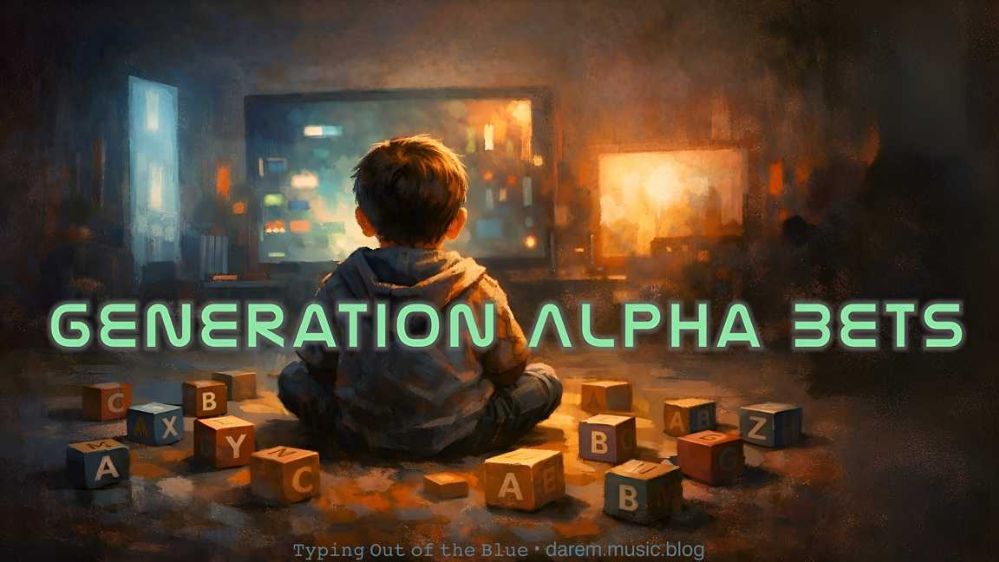
Generation Alpha. Children born roughly between 2010 and around 2024–25. They come after Gen Z. If Gen Z grew up with the internet, Gen Alpha was born into it. Wi-Fi is the air they breathe.
This is the generation that no longer gets amazed by touchscreens. AI, voice assistants, smart homes, online school, hybrid life—these are normal to them. They don’t ask “how does this work?” They ask “why isn’t it here yet?” Their thinking moves forward by default.
Short attention span? A bit. But not shallow. They’re simply used to fast input. Visual. Interactive. If the approach is boring, they’re gone. If it’s meaningful and playful, they’re locked in.
Values-wise, they’re interesting. They’re exposed early to global issues—climate, mental health, inclusion—even at a young age. But guidance matters. Too much information, too early, can mess with grounding. This is where adults come in—not to control, but to slow things down. Teach depth. Teach silence. Teach how to sit with one thought.
Gen Alpha will be powerful, but only if we don’t raise them like algorithms. They are not projects. They are not data points. They’re still human. Kids need rhythm—play, boredom, curiosity, limits. Old-school things still matter. Stories. Music. Face-to-face kindness.
Gen Alpha is not the problem. They’re the mirror. If their world feels chaotic, it’s a reflection of the world we gave them. So let’s be careful. We’re shaping humans, not updates.
Generation Alpha Bets on systems that disappear—and on human moments that remain.
⌨ ᴛʸᵖⁱⁿᵍ ᴏᵘᵗ ᵒᶠ ᵗʰᵉ ʙˡᵘᵉ ᵈᵃʳᵉᵐ ᵐᵘˢⁱᶜ ᵇˡᵒᵍ
