We did not go to space just to look around.
At the beginning, there was one question: can we go?
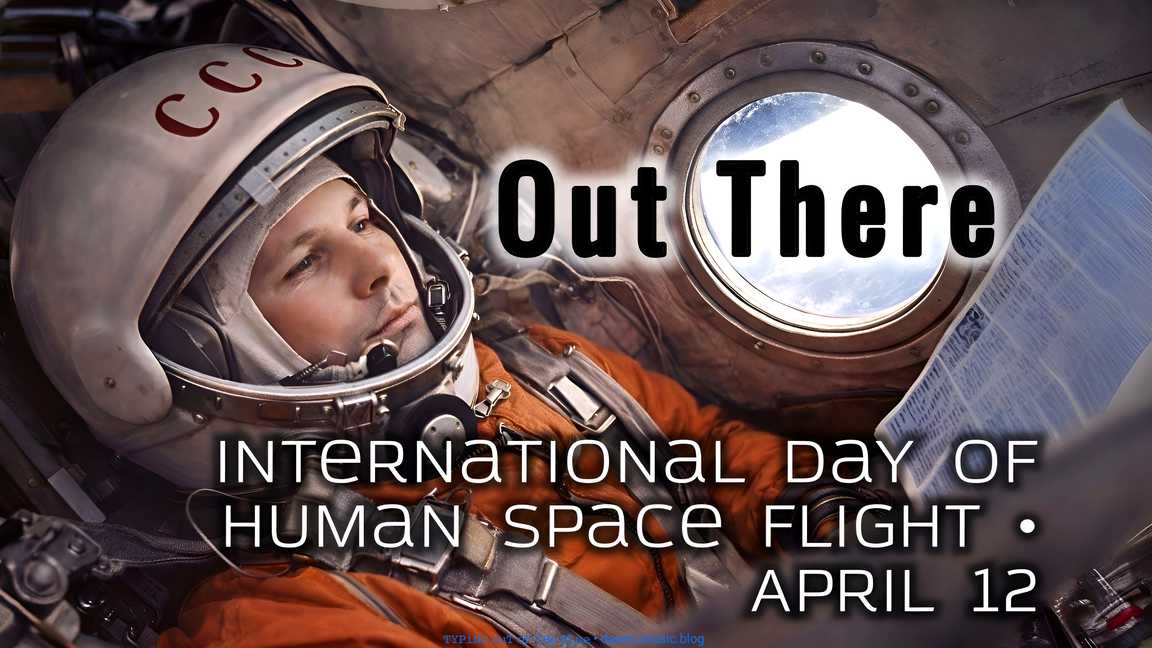
When Yuri Gagarin, a Soviet cosmonaut, went up in 1961, a boundary opened. After that, staying on Earth was no longer the only option.
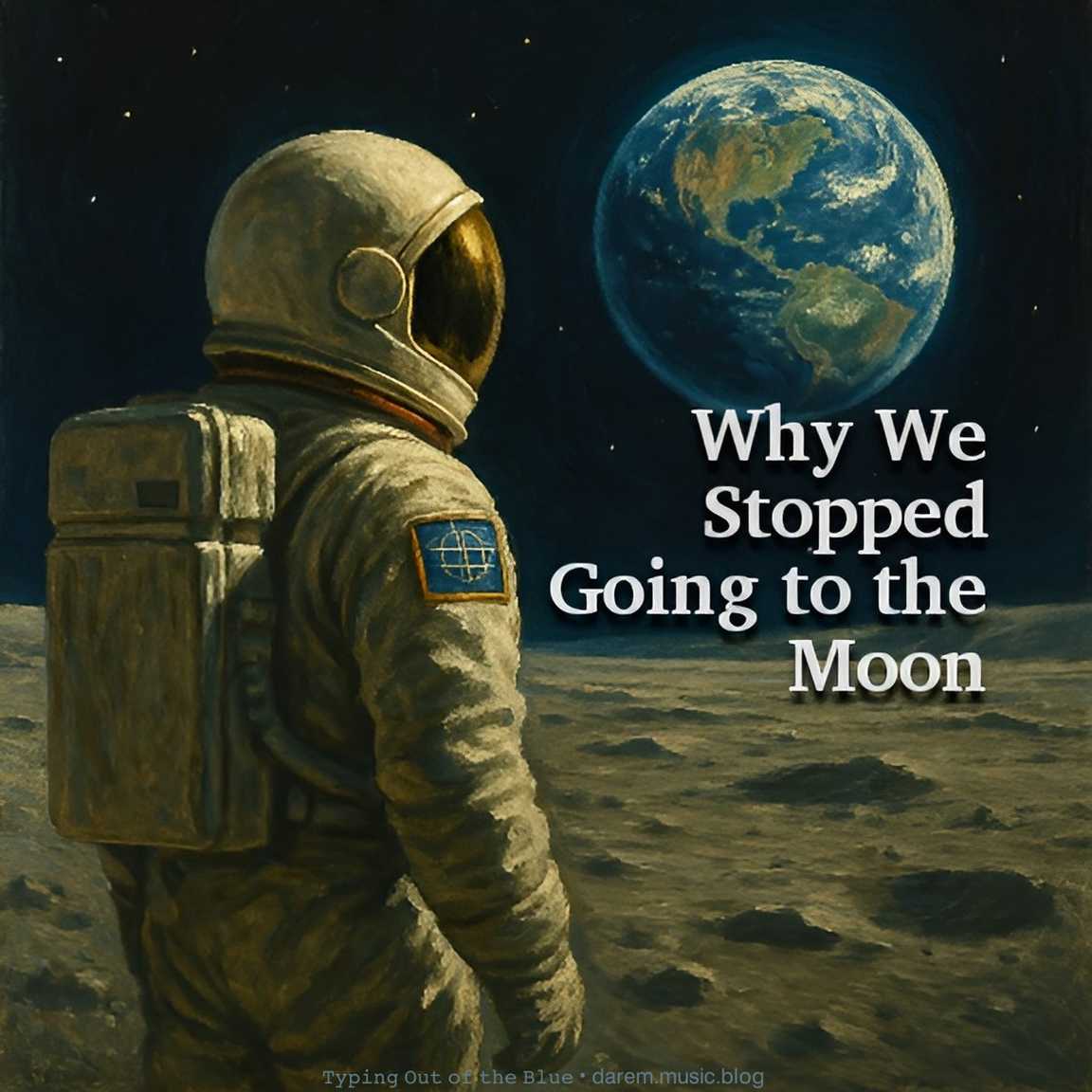
Since then, we have kept going. The Apollo 11 Moon Landing showed we could reach another world, and the International Space Station showed we could stay off Earth for long periods.
Human space flight has one direction: to extend human presence beyond where we started.
Each mission adds something small but necessary. We learn how the body adapts, how systems sustain life, and how distance becomes manageable. Piece by piece, what once felt impossible becomes part of the routine.
In April 2026, the Artemis II mission sent humans around the Moon once more.
Because at this point, the question is no longer if we can go. It is how far we are willing to continue.
And now, another question is moving with us.
In 2026, discussions around the release of government files on UFOs and possible extraterrestrial life gained renewed attention.
No conclusions yet. No confirmed answers. But the direction is clear.
We are not just moving farther. We are moving into a universe that may already be alive.
⌨ ᴛʸᵖⁱⁿᵍ ᴏᵘᵗ ᵒᶠ ᵗʰᵉ ʙˡᵘᵉ ᵈᵃʳᵉᵐ ᵐᵘˢⁱᶜ ᵇˡᵒᵍ