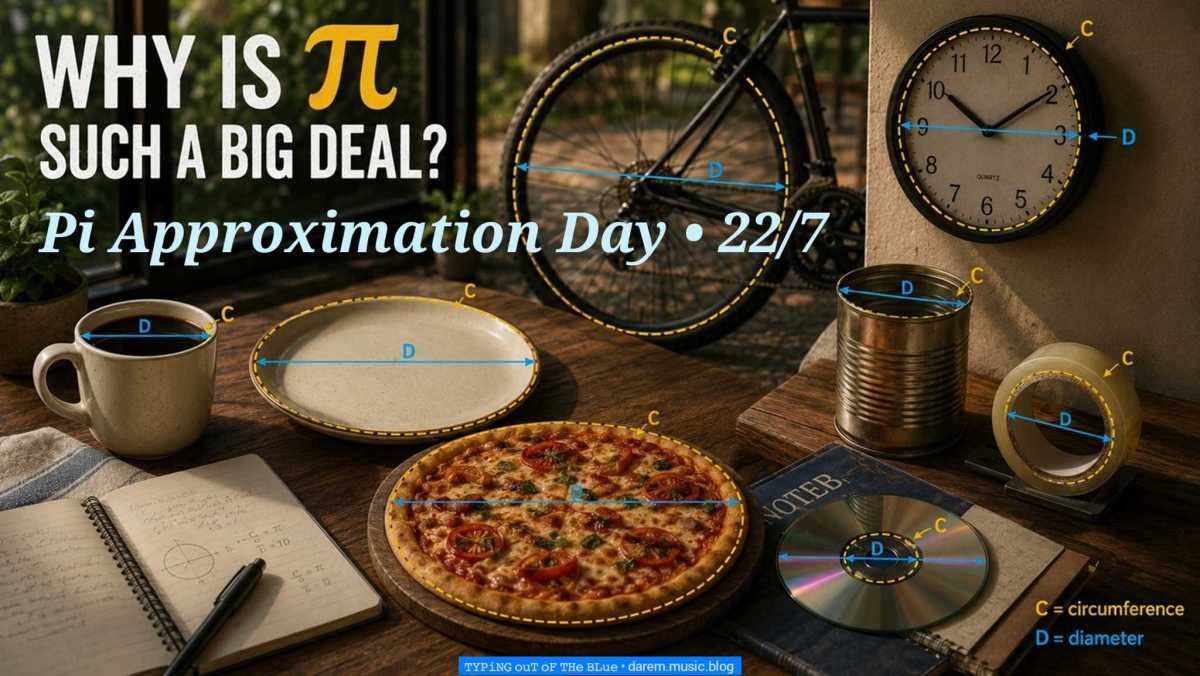
Why Is Pi Such a Big Deal?
Pi may seem like something that belongs only in math class, but its story reaches much further.

Pi may seem like something that belongs only in math class, but its story reaches much further.
Some chocolate facts are so unusual that they sound completely made up.
• Long ago, chocolate was mostly a drink, not a candy bar. Ancient people in Mesoamerica drank chocolate rather than ate it.
• Chocolate begins inside colorful fruits called cacao pods that grow on trees in tropical forests.
• The first people interested in cacao may have enjoyed the sweet fruit pulp around the beans before using the beans to make chocolate drinks.
• Cocoa beans were once used as money in parts of Mesoamerica, including the Aztec Empire. Imagine buying lunch with chocolate money.
• Since cacao beans were money, some people made fake cocoa beans from clay to trick others. Counterfeit chocolate money existed centuries before counterfeit banknotes.
• The scientific name of the cacao tree is Theobroma cacao, which means “food of the gods.”
• Emergency chocolate made for United States soldiers during World War II was designed to taste only a little better than a boiled potato so soldiers would save it for emergencies.
• Chocolate naturally contains caffeine and theobromine, two ingredients that can help people feel more awake and alert.
• The first people interested in cacao may have enjoyed the sweet fruit pulp around the beans before using the beans to make chocolate drinks.
• For thousands of years, chocolate was mostly dark and bitter. Milk chocolate only became popular much later.
• White chocolate is different from dark and milk chocolate because it does not contain the cocoa solids that give chocolate its brown color.
• It takes many cocoa beans to make chocolate. One kilogram of chocolate may need about 300 to 600 cocoa beans.
• During World War II, chocolate bars were included in soldiers’ emergency rations because they were small, strong, and packed with energy.
• Astronauts have eaten chocolate in space. Chocolate has traveled beyond Earth and into orbit.
• Some giant chocolate bars have weighed as much as a small car or even more.
• Chocolate is safe for people, but dogs and cats should never eat it because it can make them very sick.
• Chocolate melts at around body temperature. That is one reason it melts so smoothly in your mouth.
• Dark chocolate, milk chocolate, and white chocolate all come from the same cacao plant but are made in different ways.
• The smell of chocolate may help some people feel happier or more relaxed.
• Believe it or not, in 2018, more than a ton of melted chocolate spilled onto a street in Germany and hardened on the road, creating what looked like a real chocolate street.
In music, a bar holds notes. In chocolate, a bar holds sweetness. The world has room for both kinds.
⌨ ᴛʸᵖⁱⁿᵍ ᴏᵘᵗ ᵒᶠ ᵗʰᵉ ʙˡᵘᵉ ᵈᵃʳᵉᵐ ᵐᵘˢⁱᶜ ᵇˡᵒᵍ