The Chair of Saint Peter the Apostle

A celebration of the visible foundation Christ established, and the living continuity that still guides the Church in every generation.

The Feast • February 22

This feast is not about furniture. It is about authority. Mission. Continuity.

The “Chair” represents the teaching authority of Saint Peter as the first bishop of Rome. In ancient times, a bishop’s chair, or cathedra, symbolized his role to guide, teach, and guard the faith. When we celebrate this feast, we honor the mission entrusted to Peter by Christ.

In the Gospel, Jesus tells Peter:

“You are Peter, and on this rock I will build My Church.” Matthew 16:18

That was not just a compliment. It was a commission.

The feast also highlights the unbroken line of popes who followed Peter, especially the current successor of Peter. The Church is not self-invented every generation. It stands on something handed down, guarded, and preserved.

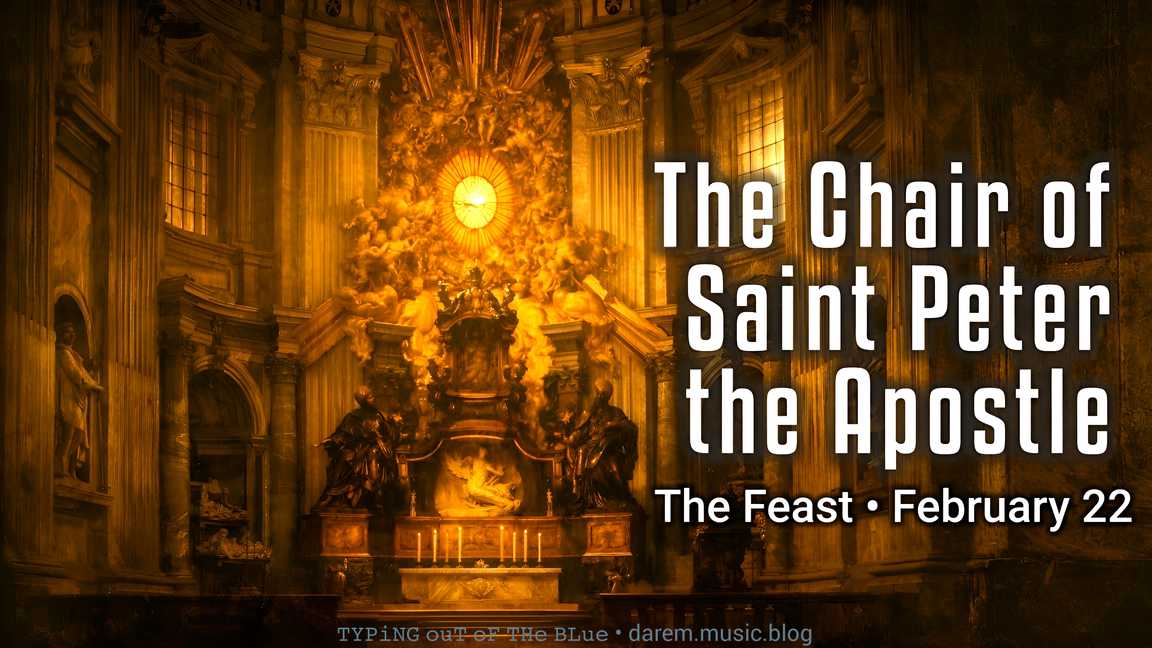
Inside St Peter’s Basilica in Rome, there is a massive bronze structure designed by Gian Lorenzo Bernini called the Cathedra Petri. It holds what tradition says is the ancient wooden chair of Peter. Whether symbolic or historical in detail, the message is clear: teaching authority matters.

What this means today

• Truth is not crowd-sourced.
• Faith is not rewritten by trends.
• Unity needs a visible center.

Christianity is not just personal spirituality. It is also communion. Structure. Responsibility.

⌨ ᴛʸᵖⁱⁿᵍ ᴏᵘᵗ ᵒᶠ ᵗʰᵉ ʙˡᵘᵉ ᵈᵃʳᵉᵐ ᵐᵘˢⁱᶜ ᵇˡᵒᵍ
The music of Darem Placer

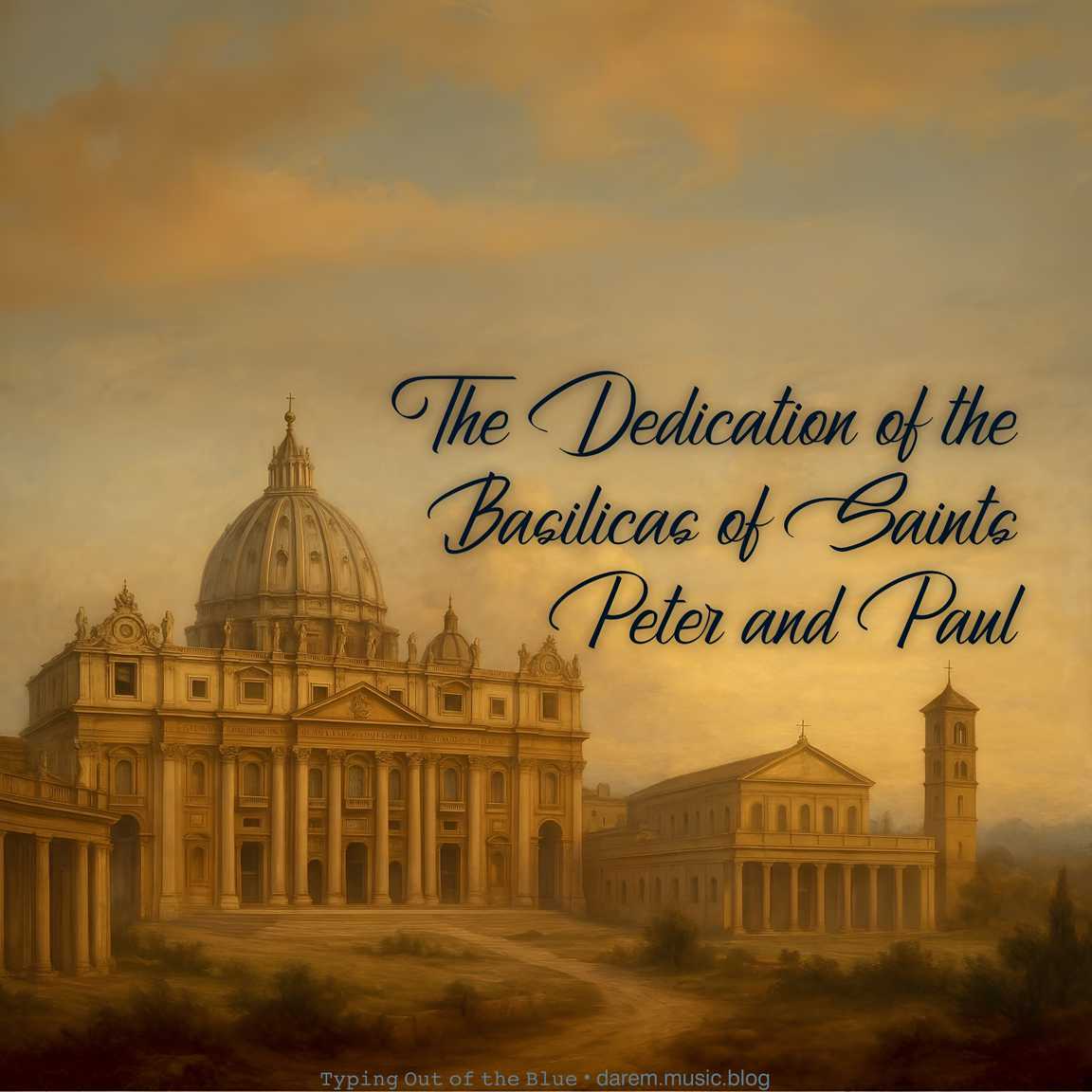
The Dedication of the Basilicas of Saints Peter and Paul

Two ancient basilicas in Rome stand over the tombs of Peter and Paul, showing how real faith stays alive across centuries here.

There are moments when the world feels too loud, too rushed, too focused on what’s new. But in Rome, there are two quiet giants that never chase trends.

Both go all the way back to the 4th century, standing on the spots where the Apostles were buried.

St. Peter’s Basilica.
St. Paul Outside the Walls.

Different styles. Different corners of the city. But the same heartbeat. Both were built over the burial places of Peter and Paul—two men who carried the early Church through danger, misunderstanding, travel, hunger, and hope.

This isn’t really about architecture. It’s about memory. It’s about the faith that survived because people kept walking into these spaces, century after century, looking for strength.

Peter was the fisherman who failed often but never gave up.

Paul was the brilliant traveler who once tried to destroy the Church but later spent his whole life building it.

Two very different stories, one direction.

The Church decided long ago: “We’ll build places here—spaces of remembrance, so no one forgets where we came from.”

It reminds us of something steady and real: faith doesn’t last because of perfect people or impressive buildings. It lasts because hearts stay open, and people keep choosing the path—even when it’s hard, even when the world feels heavy.

Old walls, yes. But still warm with the footsteps of everyone who came looking for a little courage.

⌨ ᴛʸᵖⁱⁿᵍ ᴏᵘᵗ ᵒᶠ ᵗʰᵉ ʙˡᵘᵉ ᵈᵃʳᵉᵐ ᵐᵘˢⁱᶜ ᵇˡᵒᵍ