Lazy Isn’t Always Lazy
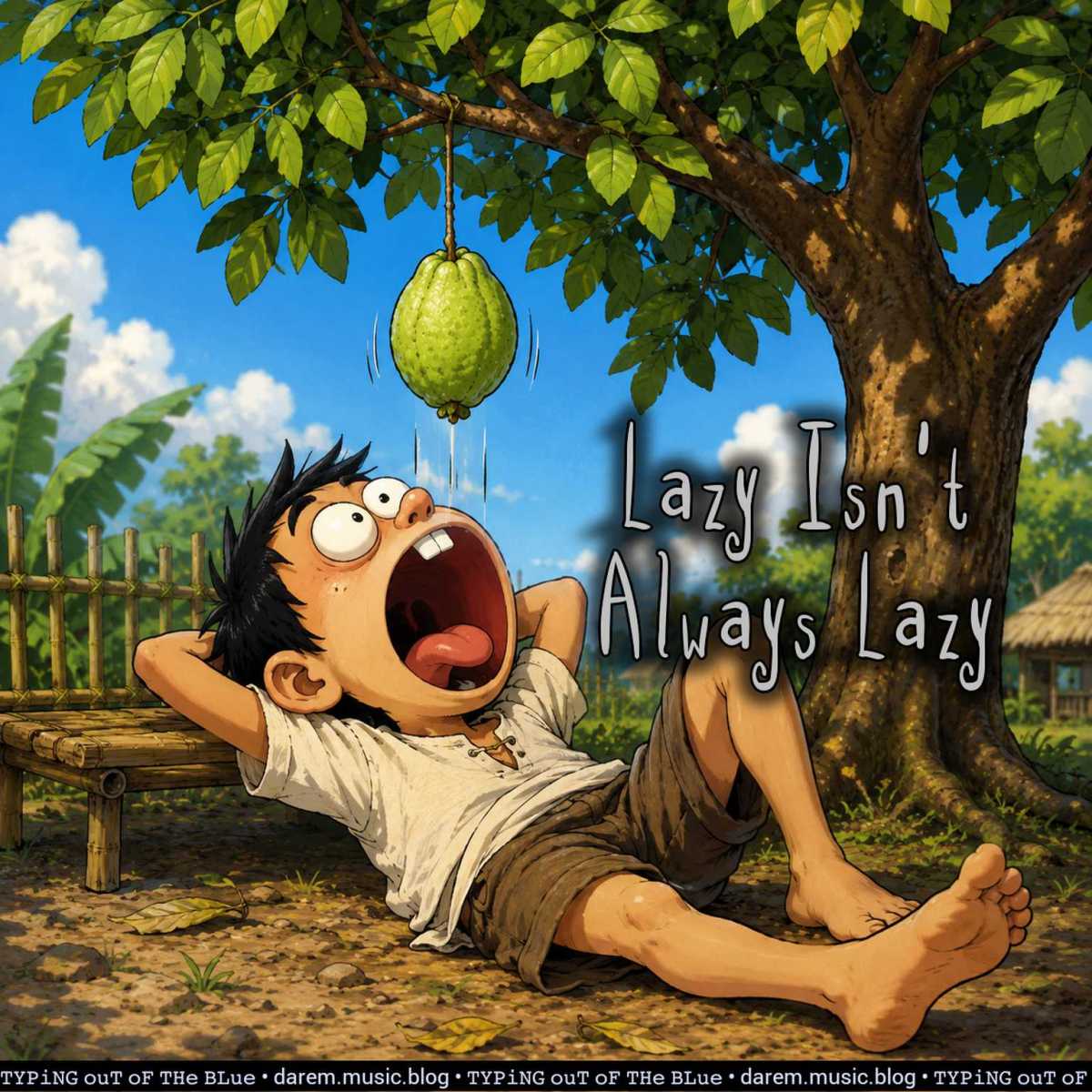
What if “lazy” isn’t the real problem?

What if “lazy” isn’t the real problem?
Great ideas are only the beginning. The next step is always yours.
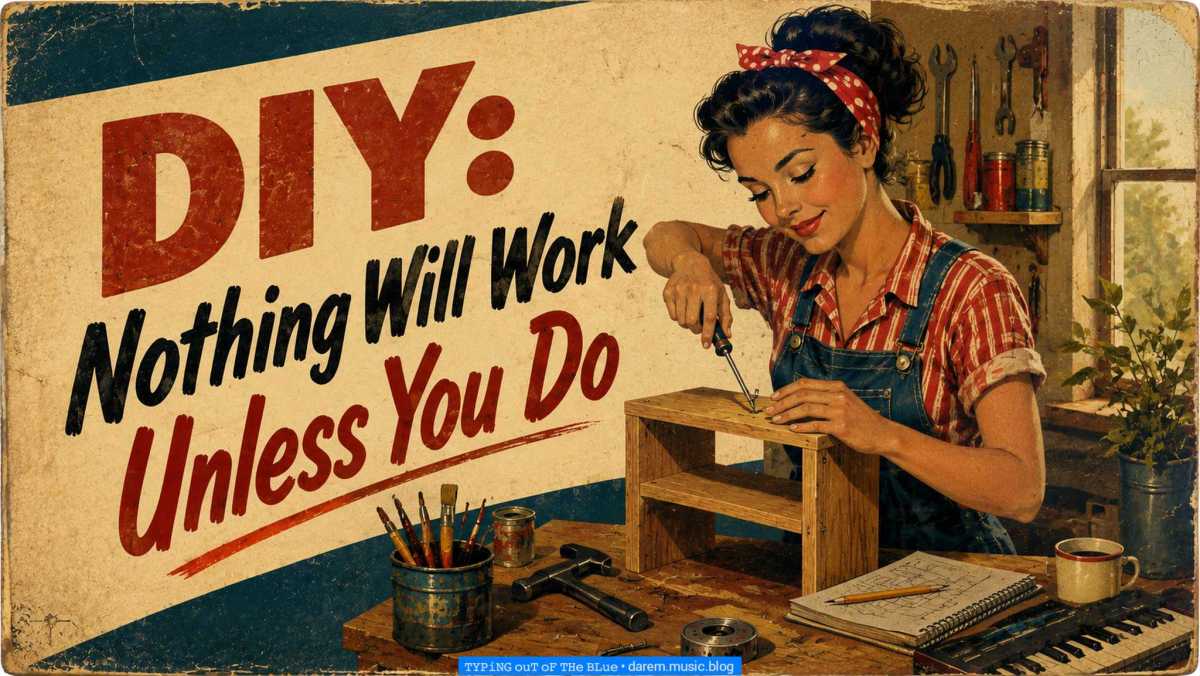
“Nothing will work unless you do.”
—Maya Angelou
Born in 1928, Maya Angelou grew to become an American poet, author, memoirist, and civil rights activist. She overcame poverty, racism, trauma, and many personal hardships before passing away in 2014, leaving behind words that continue to inspire generations.
When she said, “Nothing will work unless you do,” she was reminding us that dreams, talent, and good ideas are never enough on their own. They only come alive when we take action.
While DIY did not grow out of Maya Angelou’s words, that simple truth is at the heart of what it has always been about.
DIY, short for Do It Yourself, is more than repairing a chair or building a shelf. It is a mindset that says, “I’ll learn. I’ll try. I’ll make a start.”
Although people have always made and repaired things with their own hands, DIY became especially popular after World War II. As communities rebuilt their homes and lives, many learned to fix, create, and improve things themselves. What began as a necessity soon became a culture of creativity, independence, and confidence.
Today, DIY reaches far beyond home improvement. From recording music and writing books to starting small businesses, restoring old furniture, growing food, creating digital art, and learning new skills online, the tools may have changed, but the spirit has not.
Doing it yourself does not mean refusing help. It means choosing not to let waiting stop you. Every expert was once a beginner who decided to give it a try.
Not every DIY project turns out perfectly. Paint spills. Wood cracks. A recipe fails. A song needs another take. But every attempt teaches something that success alone never could.
Maya Angelou’s words still ring true today, in perfect harmony with life.
“Nothing will work unless you do.”
⌨ ᴛʸᵖⁱⁿᵍ ᴏᵘᵗ ᵒᶠ ᵗʰᵉ ʙˡᵘᵉ ᵈᵃʳᵉᵐ ᵐᵘˢⁱᶜ ᵇˡᵒᵍ