
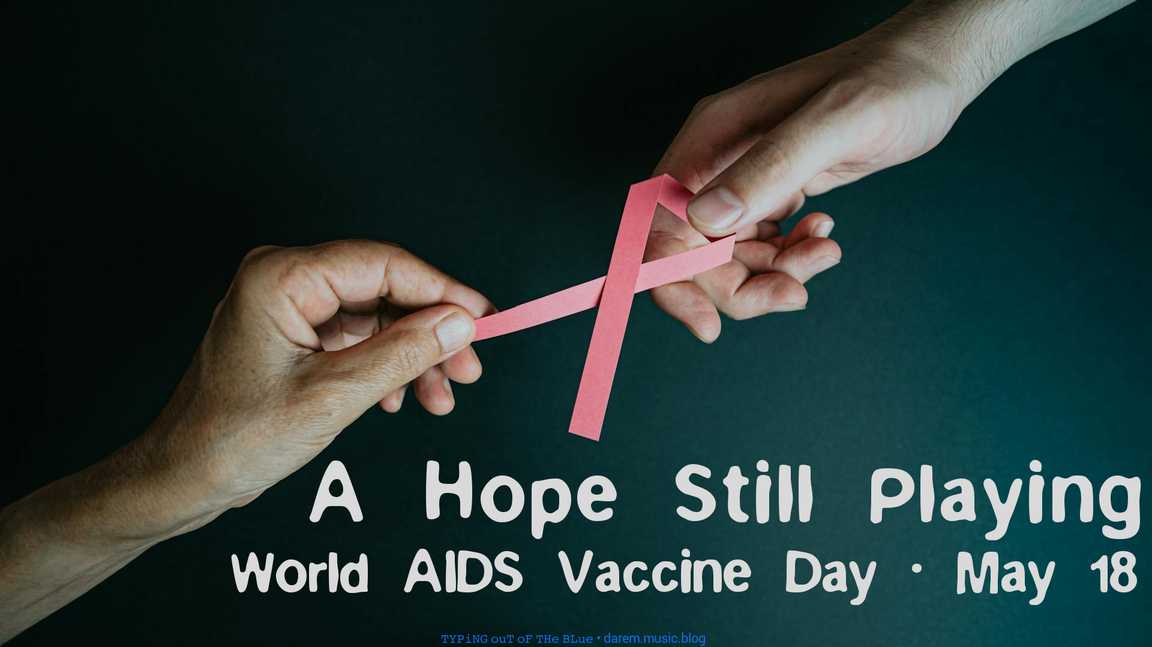
In 1997, former U.S. President Bill Clinton challenged scientists to create a vaccine against HIV/AIDS. The world was exhausted by loss, fear, and unanswered questions.
His message was not just political. It sounded like a call heard across laboratories, hospitals, and communities around the world. A distant note that people hoped would someday become a full song.
A year later, May 18 became World AIDS Vaccine Day. It honors the researchers, doctors, volunteers, and communities helping in the search for a vaccine.
HIV turned out to be far more difficult than many expected. The virus changes quickly, hides inside the body, and keeps finding ways to escape the immune system. Some vaccine trials gave people hope. Others ended after years of work. Still, researchers kept moving forward, learning from every setback instead of treating it as the final verse.
Medicines improved. People living with HIV now have better treatment and longer lives. New technology, including mRNA, a method that teaches the body to recognize and fight viruses, also opened new paths for future vaccines.
Today, there is still no fully effective HIV vaccine. But the search continues with more knowledge, better tools, and deeper understanding than ever before.
Hope is still playing.
And somewhere inside laboratories, clinics, and late-night research rooms, the next note may already be waiting.
⌨ ᴛʸᵖⁱⁿᵍ ᴏᵘᵗ ᵒᶠ ᵗʰᵉ ʙˡᵘᵉ ᵈᵃʳᵉᵐ ᵐᵘˢⁱᶜ ᵇˡᵒᵍ
