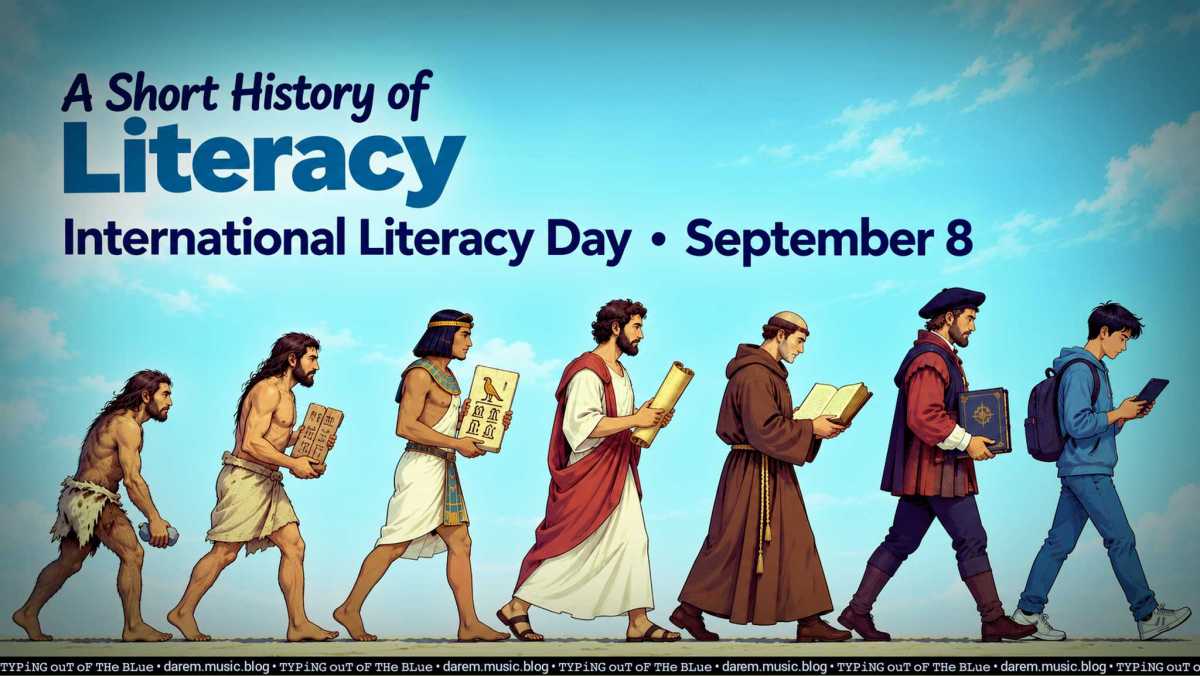
A Short History of Literacy
Before classrooms and smartphones, people were already finding ways to preserve what they knew and pass it on.

Before classrooms and smartphones, people were already finding ways to preserve what they knew and pass it on.
Public Domain Day frees knowledge and creativity.
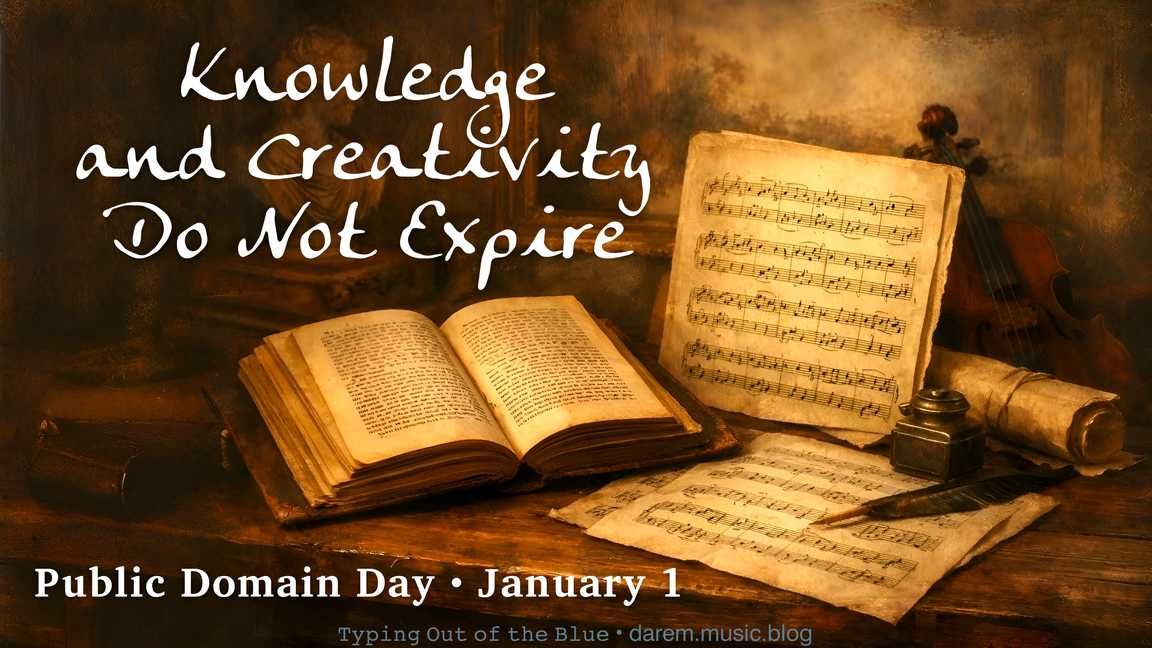
Public Domain Day • January 1
Knowledge and creativity do not disappear with time. Some works simply return to everyone.
Public domain means a creative or intellectual work is no longer protected by copyright. Anyone can use it freely. No permission. No payment. No limits. This applies to books, music, films, photographs, artworks, and educational materials.
How does a work become public domain? Most of the time, it happens automatically.
1. The copyright term ends
Copyright lasts for a fixed number of years. In many countries, including the Philippines, the common rule is life of the author plus 50 years. In other countries, such as the United States and much of Europe, the rule is life plus 70 years. Once this period ends, the work enters the public domain automatically. January 1 is the switch.
A clear example is Beethoven’s Symphony No. 5. Beethoven died in 1827, and his music is now fully in the public domain. Anyone can study it, perform it, record it, or use it freely.
2. The work was never copyrighted
Some works were never protected by copyright at all. This includes certain government publications, official documents, and very old works created before modern copyright laws existed. These materials belong to the public from the start and are widely used for education, research, and reference.
3. The creator releases it
Some creators choose to place their work directly into the public domain. By doing so, they allow anyone to use, share, or build upon the work without restrictions.
Once a work is in the public domain, it becomes a shared resource. It can be copied, shared, translated, adapted, taught, archived, or reused in new ways. It supports learning as much as it supports creativity.
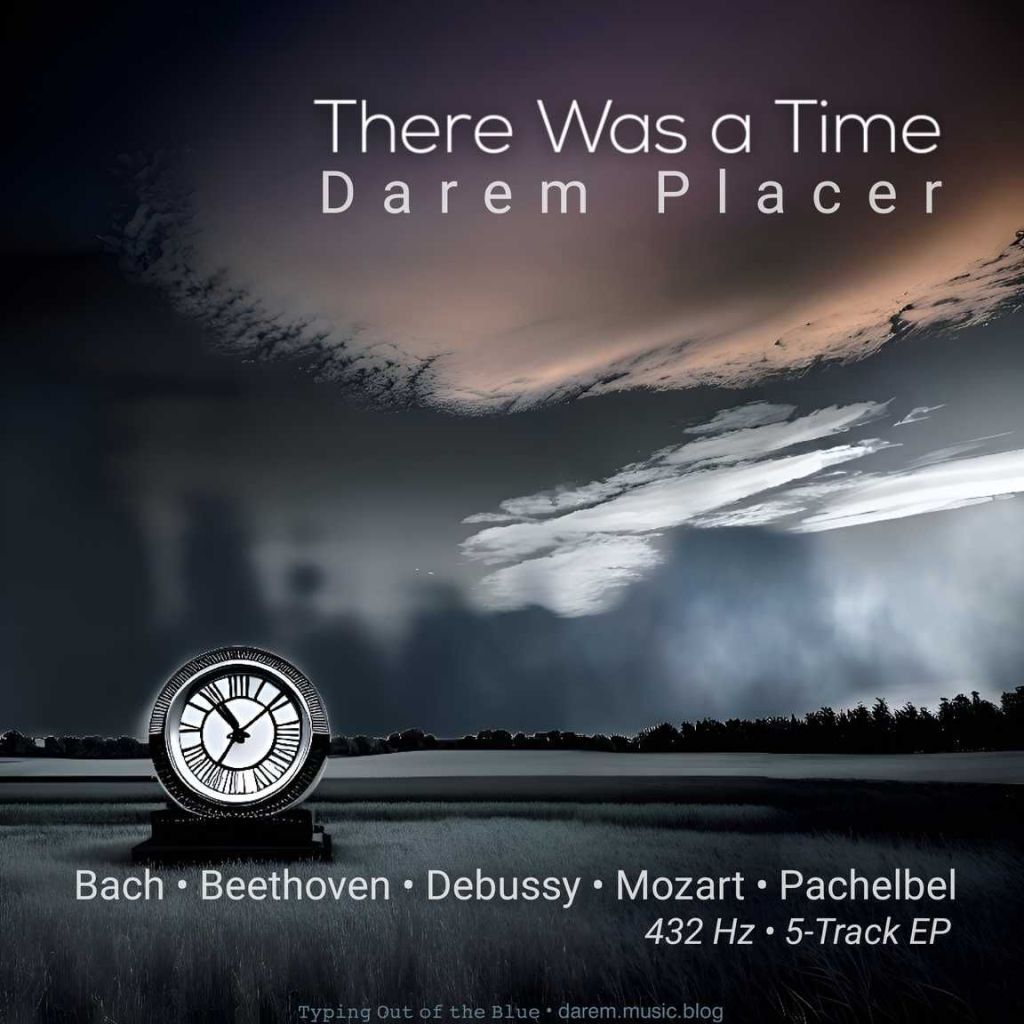
My album There Was a Time features five tracks based on music by Bach, Pachelbel, Debussy, Mozart, and Beethoven. These compositions are in the public domain, which allows them to be freely studied, performed, and reinterpreted in new recordings. Check it out on Bandcamp.
⌨ ᴛʸᵖⁱⁿᵍ ᴏᵘᵗ ᵒᶠ ᵗʰᵉ ʙˡᵘᵉ ᵈᵃʳᵉᵐ ᵐᵘˢⁱᶜ ᵇˡᵒᵍ