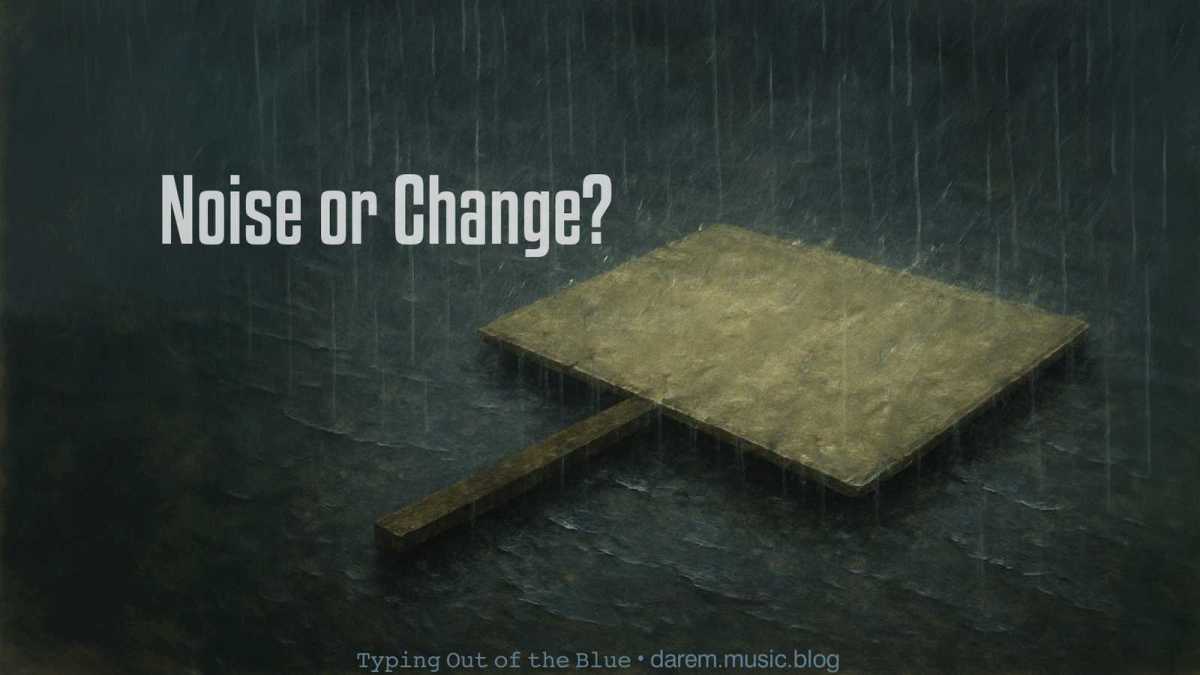
Noise or Change?

A sea of placards can shout “enough,” but what happens after the noise fades?

Rallies have always carried a strange power. A sea of people, shirts in one color, placards lifted high, voices echoing the same demand. It feels righteous, it feels historic—like you’re part of something bigger than yourself. That’s the pro: unity, visibility, the symbolic punch of saying “enough.” It shows the world that silence isn’t an option.

But here’s the con: noise doesn’t equal change. A chant on the street doesn’t put thieves behind bars. A placard won’t erase corruption, poverty, or injustice. At worst, rallies become a ritual—people show up, take photos, go home, and nothing shifts. The system remains untouched.

So where does the truth lie? Somewhere in between. A rally can be a spark, but never the fire itself. It can start a conversation, but it cannot finish it. Real change demands the slow, gritty work—laws rewritten, leaders held accountable, habits unlearned. That’s the part rallies can’t cover.

The danger is when people mistake symbolism for victory. Marching is easy; building honest institutions is not. Unity is loud; reform is quiet, often unseen. Both matter, but one without the other is empty theater.

In the end, rallies are a mirror of us. Do we gather to be seen, or do we gather to begin? If it’s just for the former, then it’s noise dressed as action. But if it pushes us toward the harder road, then maybe the streets really can lead to change.

ᴛʸᵖⁱⁿᵍ ᴏᵘᵗ ᵒᶠ ᵗʰᵉ ʙˡᵘᵉ ᵈᵃʳᵉᵐ ᵐᵘˢⁱᶜ ᵇˡᵒᵍ
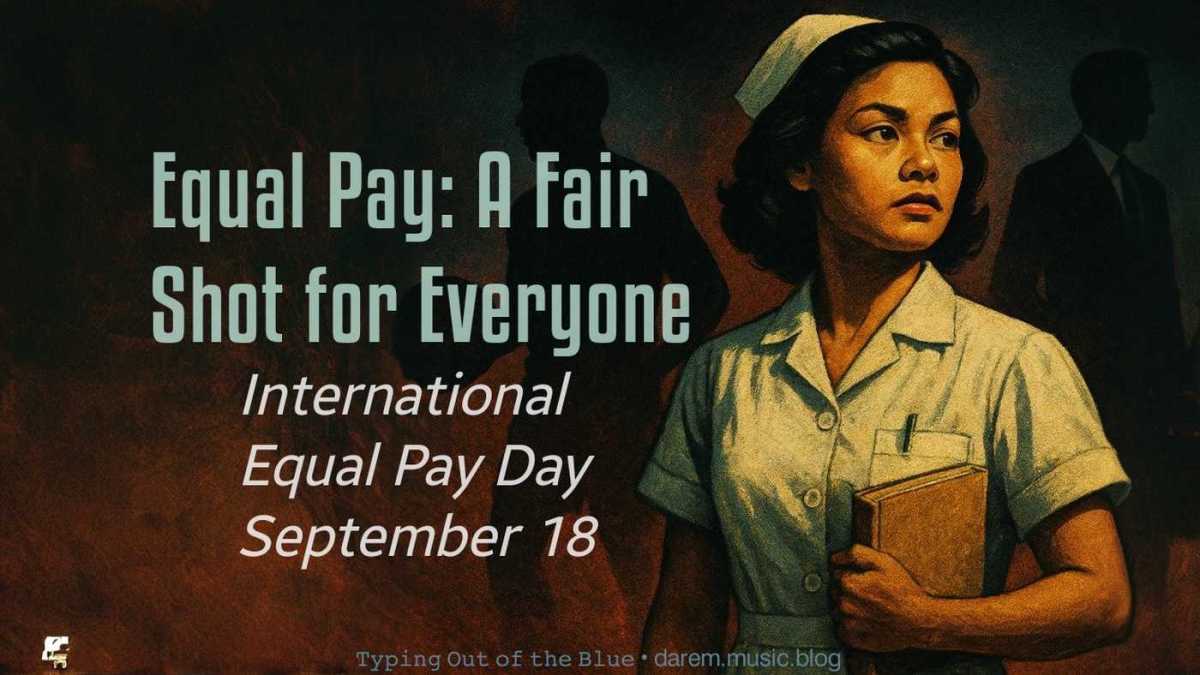
Equal Pay: A Fair Shot for Everyone

Fair pay is not special treatment. Equal work deserves equal reward—justice in numbers, dignity in every payslip.

Every year on September 18, the world marks International Equal Pay Day—a reminder that the fight for fairness is not over. Some people believe men and women already earn the same. In certain jobs, like government work, that’s true. But in many places, the gap is still real.

Here’s where it’s most visible:

Sports – Women athletes earn far less even when they win championships.

Entertainment – Actresses and female musicians often get smaller paychecks than male stars.

Corporate & Tech – Fewer promotions, lower salaries, and smaller bonuses for women in the same roles.

Care Work – Nurses, teachers, and caregivers are undervalued, even though society depends on them.

The 2025 theme is “Policy Options to Close the Gender Pay Gap Over the Life Course.” It reminds us that fairness must last through every stage of life—career beginnings, family breaks, and even retirement years.

Equal pay is not about giving women special treatment. It’s about fairness. If two people do the same work, they should receive the same reward. When women are underpaid, families struggle, children lose opportunities, and communities carry the weight of inequality.

Paying women fairly is not just good for them—it’s good for everyone. More income means stronger households, better education, and healthier economies.

Equal pay is justice in numbers. It’s dignity in every payslip. And International Equal Pay Day is a call to finally make it happen—without delay.

ᴛʸᵖⁱⁿᵍ ᴏᵘᵗ ᵒᶠ ᵗʰᵉ ʙˡᵘᵉ ᵈᵃʳᵉᵐ ᵐᵘˢⁱᶜ ᵇˡᵒᵍ