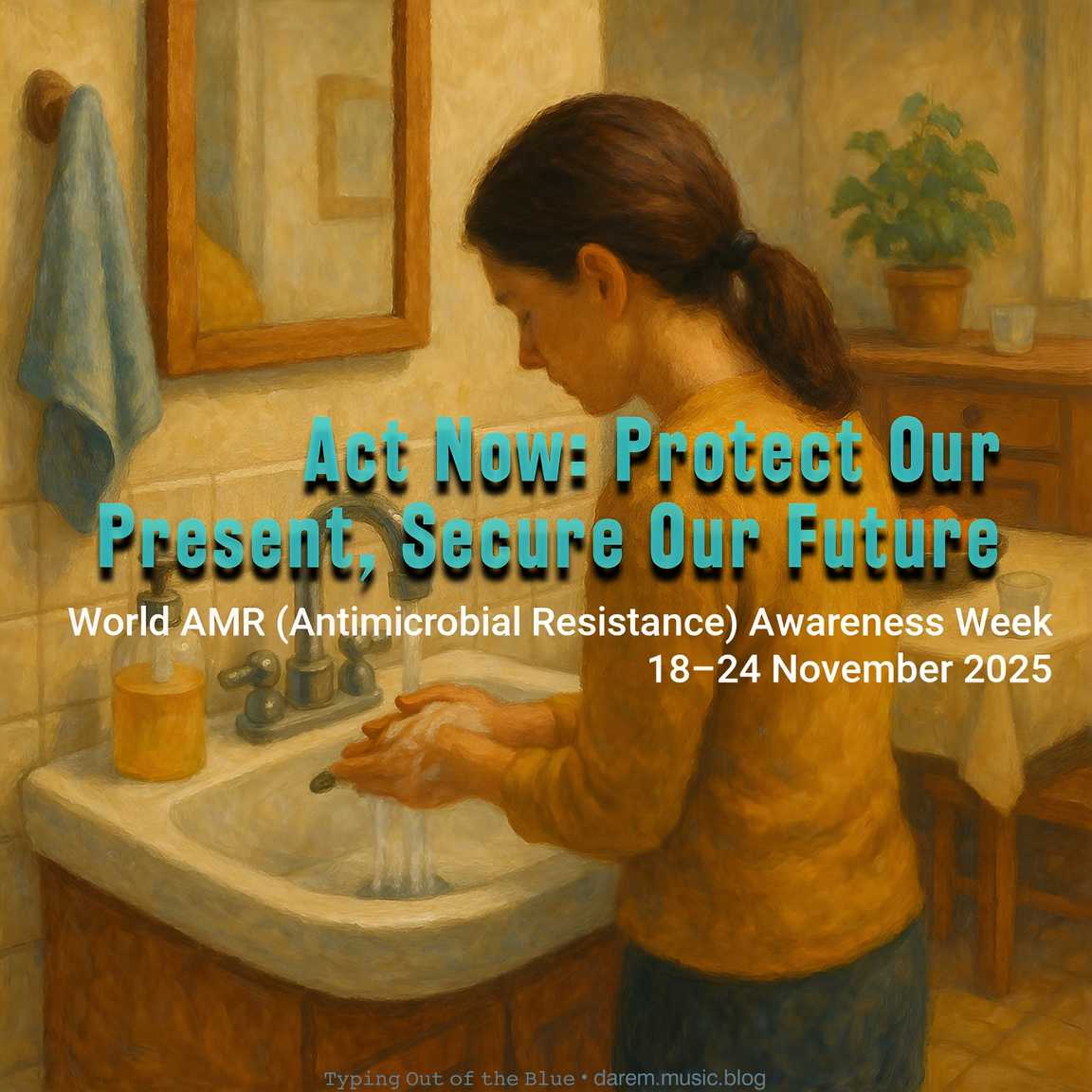
World AMR (Antimicrobial Resistance) Awareness Week • 18–24 November 2025
Antimicrobial resistance may sound scientific, but the idea is simple: germs adapt, medicines lose strength, and everyday habits play a bigger role than most people realize. No drama—just small choices that add up.
Act now
• take antibiotics only when a real prescription is given
• finish the full course once you start it
• avoid saving leftover pills “just in case”
• don’t share antibiotics with anyone
• skip self-medicating and guesswork
• wash hands regularly
• keep your living space clean to prevent small infections
• stay rested, hydrated, and balanced so your body can handle everyday illness better
Small, steady habits make the biggest difference.
Protect our present
• use antibiotics carefully so they stay effective
• avoid asking for stronger medicine when it isn’t needed
• keep treatment clear and consistent at home
• teach children simple hygiene that keeps infections from spreading
Keeping today safe doesn’t require big changes—just the basics done well.
Secure our future
• make careful medicine use part of normal life
• avoid habits that help germs become stronger
• share accurate information, not random advice
• support clean surroundings and simple responsible routines
Quiet, everyday actions protect the world we have now and the one we’re handing to the next generation. Nothing loud—just steady choices shaping a safer future.
World AMR Awareness Week is a reminder that resistance grows not only from medicines losing strength, but from everyday pressures in people, animals, food, and the environment. Bacteria, viruses, fungi, and parasites adapt when the world gives them the chance, and the tools we rely on can lose their power if we overlook the basics. It’s a quiet signal to pay attention now, while there’s still time to keep infections treatable for everyone.
⌨ ᴛʸᵖⁱⁿᵍ ᴏᵘᵗ ᵒᶠ ᵗʰᵉ ʙˡᵘᵉ ᵈᵃʳᵉᵐ ᵐᵘˢⁱᶜ ᵇˡᵒᵍ