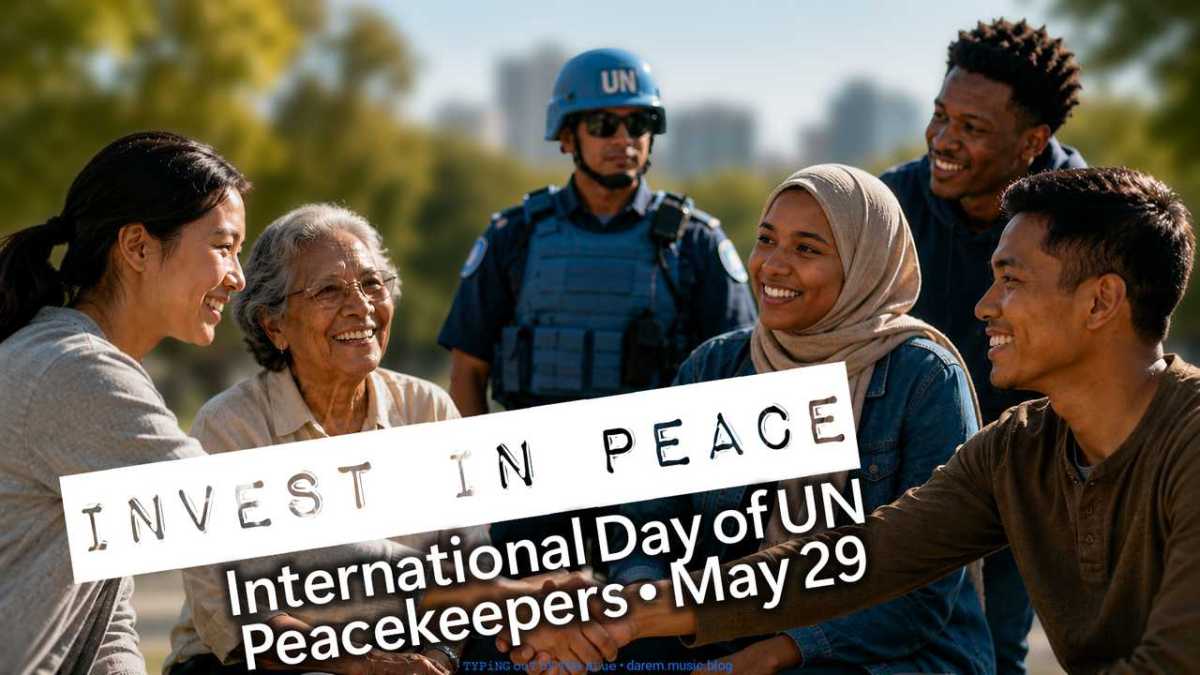
Invest in Peace

The world needs peacekeepers in blue helmets. It also needs ordinary people willing to keep the peace where they are.

A United Nations peacekeeper may be a soldier, police officer, or civilian standing in places where conflict has left deep scars. Wearing the famous blue helmet, a peacekeeper helps protect civilians, monitor ceasefires, support communities, and give peace a chance to take root again. Their work rarely makes headlines. Yet in many parts of the world, they stand between fear and hope.

Most of us will never wear a blue helmet or serve in a conflict zone. We may never negotiate peace treaties or patrol dangerous borders. But that does not mean peace is someone else’s job.

Every day gives us opportunities to invest in peace.

We invest in peace when we listen before judging. When we choose truth over rumors. When we calm an argument instead of fueling it. When we treat people with dignity, even when we disagree. When we forgive. When we help. When we build bridges instead of walls.

Peace is often sustained by people whose names are never known. The same way a song depends not only on the melody, but also on the quieter parts that keep everything together. Most people will never be recognized for keeping the peace. Yet many conflicts never grow because someone chose patience over anger, understanding over suspicion, or reconciliation over revenge.

We may never wear the blue helmet of a UN peacekeeper. But we can all wear invisible blue helmets with visible peace. Every choice that reduces conflict, heals division, and brings people together is an investment in peace.

Full album. Press play.

⌨ ᴛʸᵖⁱⁿᵍ ᴏᵘᵗ ᵒᶠ ᵗʰᵉ ʙˡᵘᵉ ᵈᵃʳᵉᵐ ᵐᵘˢⁱᶜ ᵇˡᵒᵍ
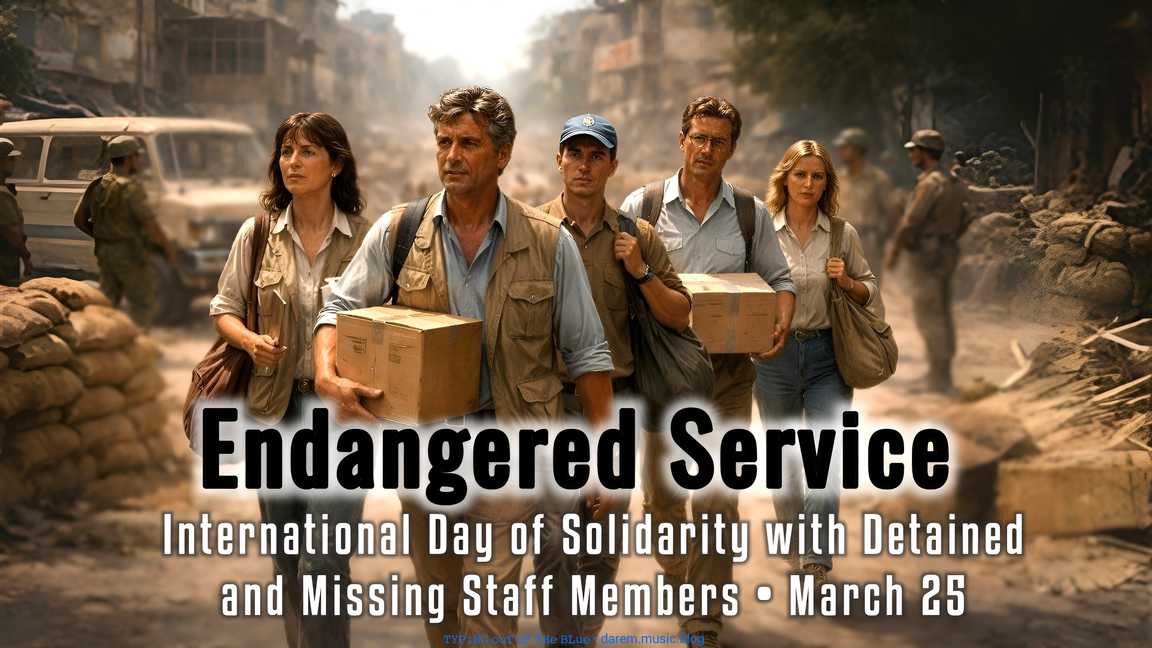
Endangered Service

Not all service happens in safe places.

International Day of Solidarity with Detained and Missing Staff Members • March 25

Some people are sent to places where help is needed most—conflict zones, unstable regions, and communities where safety is uncertain. They are not there to fight. They are there to help.

They are part of humanitarian and international work—staff from the United Nations, aid groups, and NGOs. Their job is to bring food, medicine, and support where systems have already broken down.

But in those same places, that work comes with risk. Some are detained. Some are taken. Some go missing without clear answers.

One of them was Alec Collett, a British journalist working with a United Nations agency in Lebanon. On March 25, 1985, he was abducted while on assignment. Years later, it was confirmed that he had been killed.

His case showed something simple: even those who come to help are not always safe.

And it was not just him. There are others—before and after—who faced the same situation just by being there to do their job.

This is what solidarity means here. Not just knowing about it, but not brushing it off as something far away.

Because even if we are not in those places, the thinking is familiar—we tend to say “that’s far from us” and move on.

But once we start thinking like that, it becomes easier to ignore people who take risks to help others.

Solidarity keeps it simple.

We pay attention.
We do not dismiss it.
We do not act like it does not matter.

They continue to serve. We choose not to ignore it.

⌨ ᴛʸᵖⁱⁿᵍ ᴏᵘᵗ ᵒᶠ ᵗʰᵉ ʙˡᵘᵉ ᵈᵃʳᵉᵐ ᵐᵘˢⁱᶜ ᵇˡᵒᵍ

Tears on an Empty Space•Darem Placer