Bonifacio, the Cedula, and Why Staying Vigilant Still Matters Today

A look at Bonifacio’s cedula rebellion and why today’s cedula feels outdated and quietly surviving through routine.

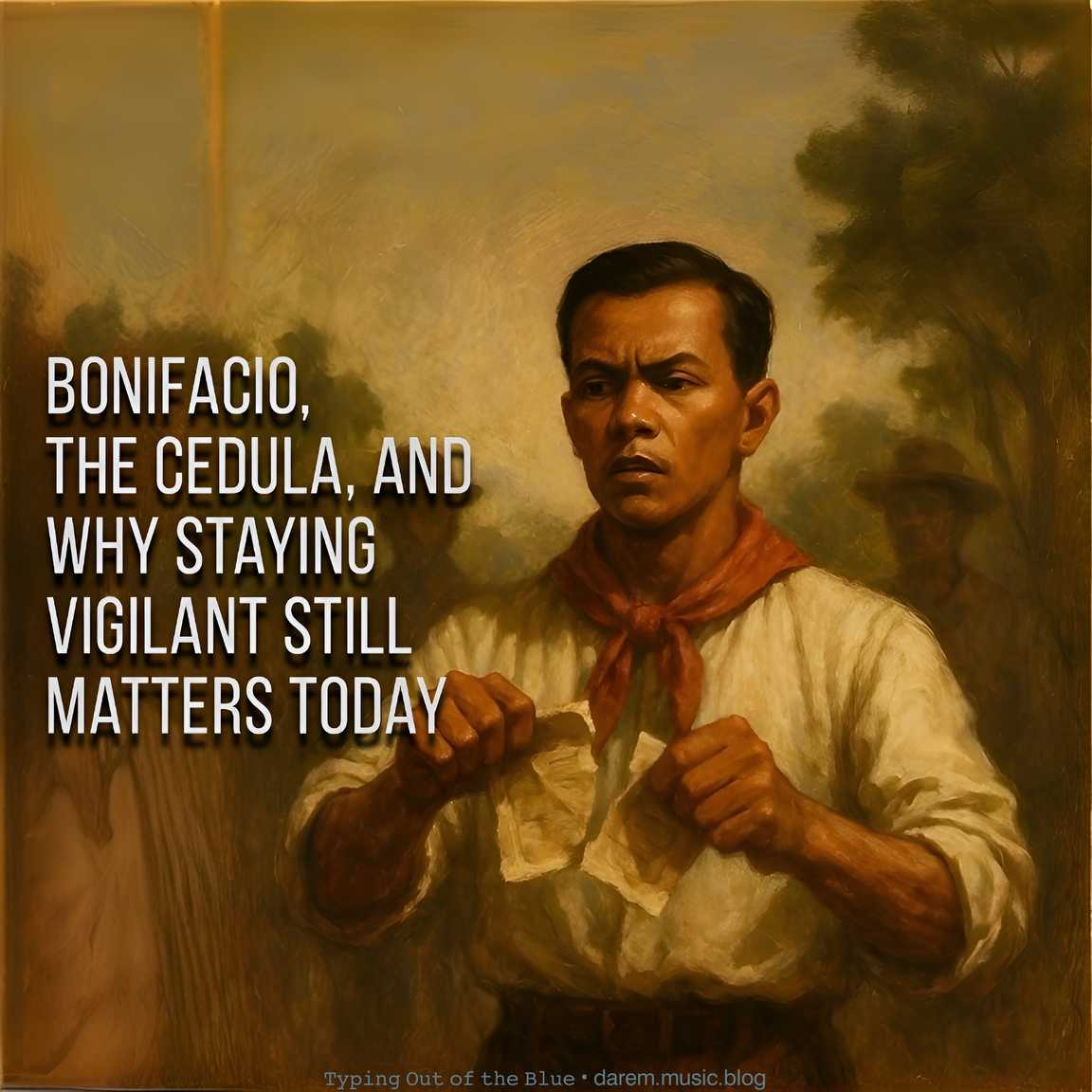
Every November 30, the Philippines remembers Andres Bonifacio, the man who helped spark the 1896 revolution. One of the most iconic moments in his story happened in Balintawak, when he tore his cedula in front of the Katipuneros.

What was the cedula back then?

The cedula—also known as the community tax certificate—was not just a piece of paper. It symbolized Spanish control because it showed that:

• you paid the colonial tax
• you accepted the Spanish government
• you recognized their authority

Tearing it was a bold, public declaration of rebellion. It sent one clear message: “We do not recognize this government anymore.” That moment helped ignite a revolution.

Why tearing a cedula today is… pretty meh

The cedula still exists today, but it no longer carries any real meaning. It’s not tied to oppression or authority anymore—it’s simply leftover bureaucracy.

And here’s the ironic part: For many people, the cedula feels less like a useful document and more like a tiny tax on simply being alive, because it isn’t based on proof of income and isn’t connected to any modern system. It’s just something you pay because the generations before you paid it too.

Today:

• most people aren’t asked for it
• LGUs barely verify anything
• it doesn’t represent control
• it holds no emotional weight
• it functions like outdated paperwork

If someone tore their cedula now, people wouldn’t see a hero—just someone throwing away an old document.

Why the cedula isn’t really needed anymore

Modern systems already replaced everything the cedula used to handle:

• national IDs
• government databases
• company records
• tax systems
• digital identity

Because of these improvements, the cedula no longer has an essential role in 2025. It survives only because nobody bothers removing it and because it still brings small, easy income to local governments. Tradition kept it alive more than purpose.

The quiet kotong (silent extra squeeze)

Individually, the cedula fee is tiny. But when thousands pay it every year, the total becomes huge. And because all of it enters the LGU’s general fund, there is:

• no specific breakdown
• no transparent accounting
• no clear yearly report
• no explanation of where the money actually goes

It’s not a crime or a scandal. It’s simply a quiet fee that kept surviving because everyone got used to it.

That’s why people call it the quiet kotong—silent, unnoticed, but always there.

We don’t need to be heroes like Bonifacio

Bonifacio risked his life for freedom. He already did his part.

Today, we don’t need to start a revolution or tear a certificate to make a point. But we do need something just as important:

• awareness
• honesty
• vigilance
• courage to question outdated systems
• the habit of noticing when something no longer makes sense

Bonifacio fought with courage and sacrifice.

We fight with awareness and responsibility.

And sometimes, that’s exactly what the present needs. A quiet space to think a little longer, almost like Wandering Through Dreams.

Wandering Through Dreams • Darem Placer

⌨ ᴛʸᵖⁱⁿᵍ ᴏᵘᵗ ᵒᶠ ᵗʰᵉ ʙˡᵘᵉ ᵈᵃʳᵉᵐ ᵐᵘˢⁱᶜ ᵇˡᵒᵍ
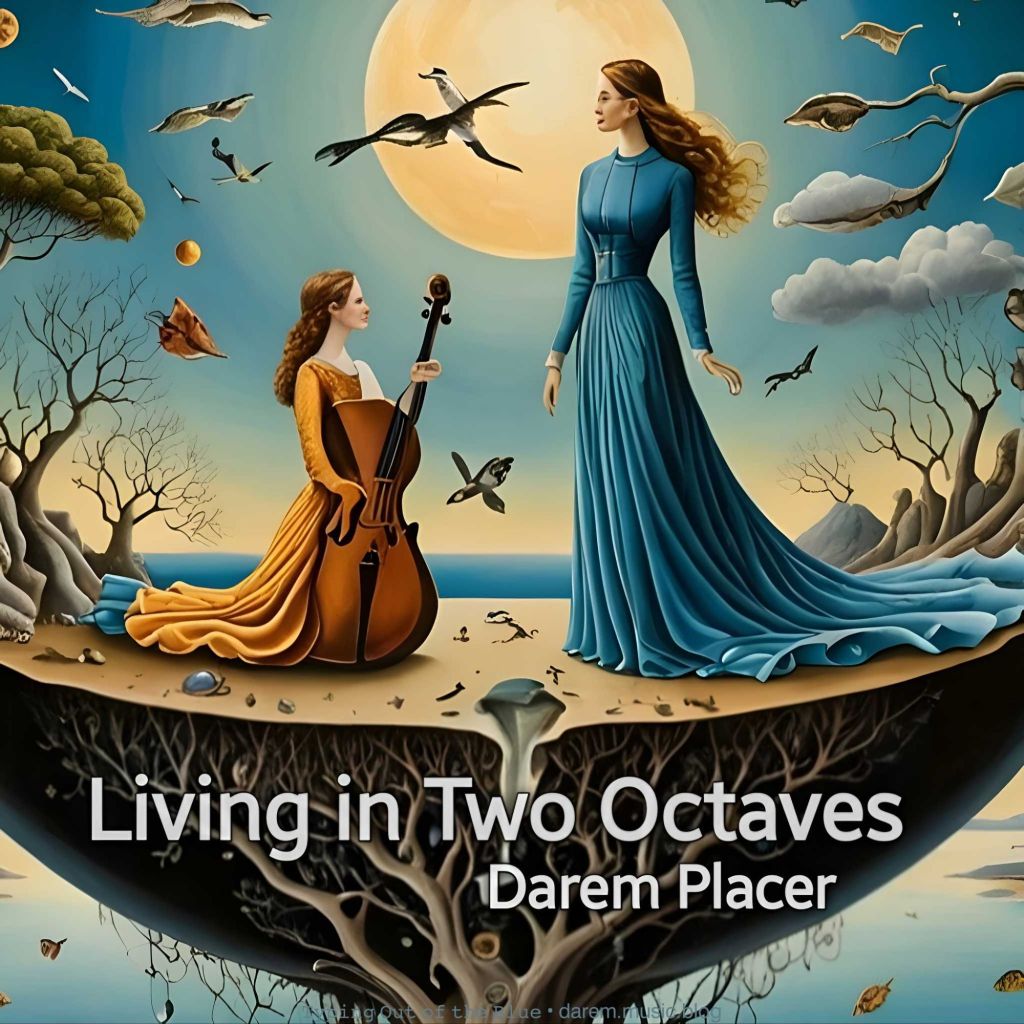
Living in Two Octaves explores the duality of life—shifting between emotional highs and lows, balancing the physical and spiritual, and living in the space between the past and future. It’s all about the contrasts and connections that shape our journey. This album includes Wandering Through Dreams.

Listen on Apple Music, Apple Music Classical, and YouTube Music
Saint Cuthbert Mayne: A Priest Tried as a Traitor

He lived in a time when being a Catholic priest was treated as disloyalty, yet he stood firm and chose faith over fear.

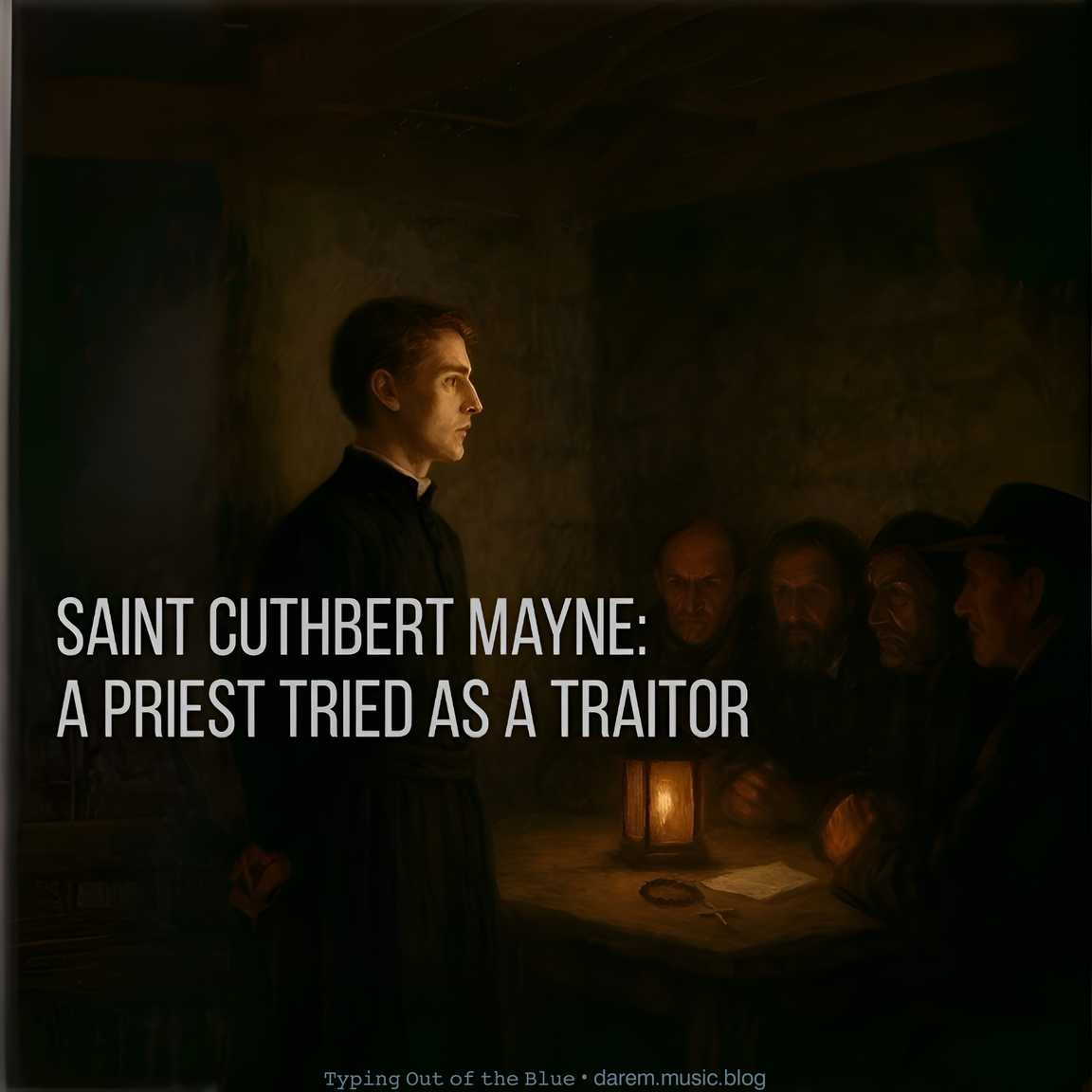
Cuthbert Mayne was an English priest who lived during a time when the government treated Catholic priests as criminals. He was born in Devon, England, around 1544 and studied at Oxford, England, where he first served as a Church of England minister. Later, after meeting Catholics who quietly kept the old faith alive, he left England and went to the English College at Douai—a town that was then part of the Spanish Netherlands, a Catholic territory ruled by Spain (today it belongs to France). There he became a Catholic priest.

In 1576, he returned secretly to England. His mission was simple: bring the sacraments to Catholics who could not worship publicly, offer Mass in homes, strengthen families in their faith, and help them stay hopeful in a dangerous time. He moved quietly from house to house across southern England, always careful, always exposed to danger.

After a year, he was arrested. The government charged him not with any violent act, but with the “crime” of being a Catholic priest trained abroad. At that time, the law was extremely harsh. Admitting that you were a priest was automatically treated as disloyalty to the Crown, even if you were innocent of everything else. Because of this, the authorities did not ask simple questions like “Are you a priest?” They asked loaded questions designed to make him look like a political enemy.

A typical question was framed like this: “Are you a seminary priest sent by the Pope to turn the Queen’s subjects away from her?”

This was not a religious question—it was a political accusation. Saying “yes” meant admitting to a rebellion you never planned. Saying “no” did not deny the faith. It simply rejected the false accusation. The court still needed “evidence,” which is why small items like a rosary or a papal document were used against him. Under the law, even these objects could be twisted into proof that he was working against the authorities.

Father Cuthbert was convicted and sentenced to death. He was executed at Launceston, England, on November 29, 1577. And this is where his courage becomes clear. At the moment of execution, when no legal tricks remained and no questions could trap him, he declared the full truth. He professed his Catholic faith, affirmed that he was a priest, forgave his accusers, and faced death calmly.

His death became historic. He was the first seminary priest from the English College at Douai to be martyred in England, opening a long line of English martyrs who chose faith over fear.

He is honored as a saint because he stayed faithful even when the law treated his mission as a crime. He never denied Christ or the priesthood that shaped his life. He rejected only the political trap placed on him, not the truth he lived for. In the final moment, he chose courage over survival.

He was canonized in 1970 as one of the Forty Martyrs of England and Wales.

⌨ ᴛʸᵖⁱⁿᵍ ᴏᵘᵗ ᵒᶠ ᵗʰᵉ ʙˡᵘᵉ ᵈᵃʳᵉᵐ ᵐᵘˢⁱᶜ ᵇˡᵒᵍ

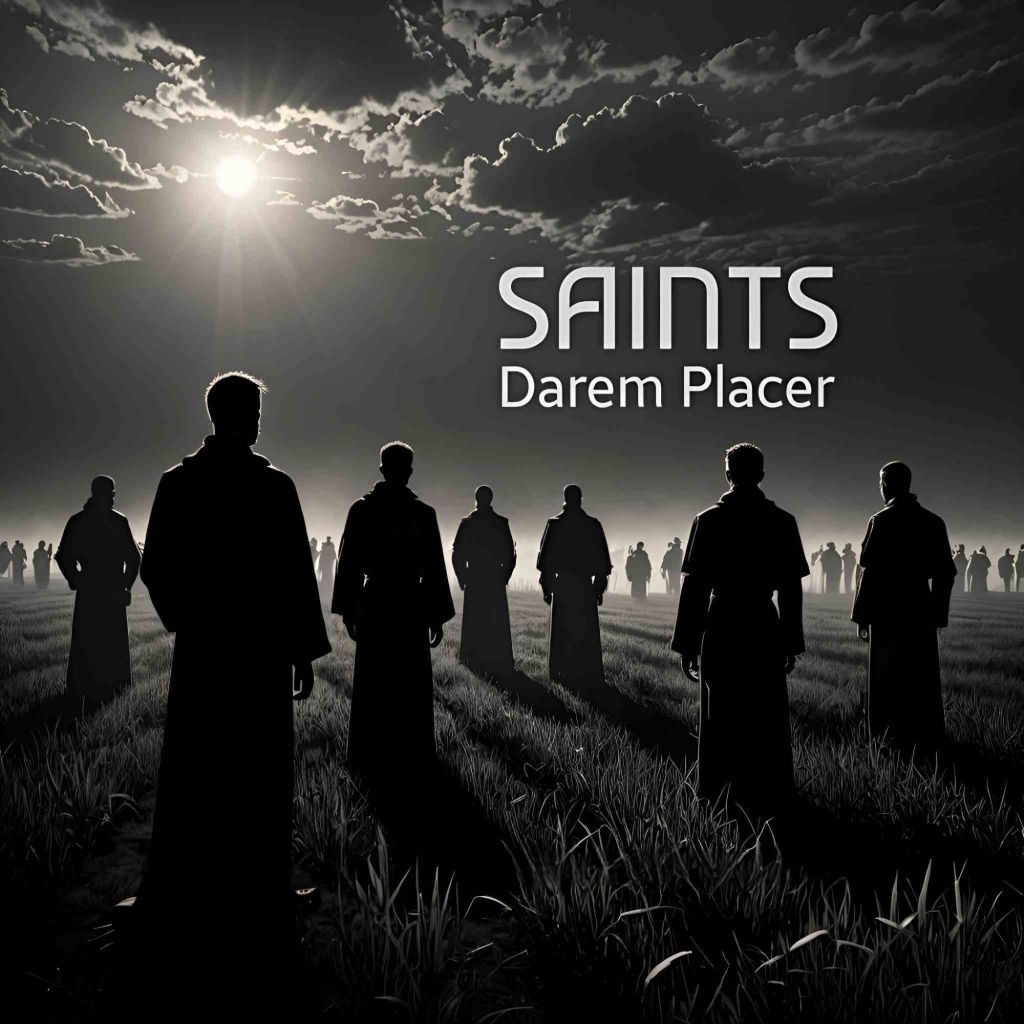
Traces of courage, silence, and sacrifice—this is Saints.

Listen on Apple Music, Apple Music Classical, and YouTube Music