Saint Kenneth of Aghaboe and the Art of Holy Writing

In candlelight and silence, a monk’s pen kept faith alive—each word a prayer, each page a light that never faded.

In the quiet light of old monasteries, words were not just read—they were born again through hands like those of Saint Kenneth of Aghaboe.

He lived in the 6th century, when books were rare and paper was precious. Each page was made of parchment, and every letter was written by candlelight. Father Kenneth was one of the few who mastered the art of copying sacred texts—not for fame, but for faith.

To him, writing was prayer in motion.

Each stroke of ink was a whisper to God.

Each page was a bridge between heaven and earth.

He and his fellow monks would spend long hours bent over Scripture—repeating the same holy words until they lived inside their hearts. They copied the Gospels, psalms, and teachings of the saints. And when a book was finished, it was not sold. It was shared—sent to another monastery, another place of silence and hope.

As a priest, Father Kenneth also preached to those who could not read, bringing the Word alive not through pages but through presence. He carried light both in ink and in voice.

Through his steady hands, the Word of God reached new lands.

Through his calm patience, wisdom was preserved when the world outside was full of wars and forgetting.

That’s how Saint Kenneth became more than a monk—he became a keeper of light, ensuring that even one small candle of knowledge would never die out.

⌨ ᴛʸᵖⁱⁿᵍ ᴏᵘᵗ ᵒᶠ ᵗʰᵉ ʙˡᵘᵉ ᵈᵃʳᵉᵐ ᵐᵘˢⁱᶜ ᵇˡᵒᵍ
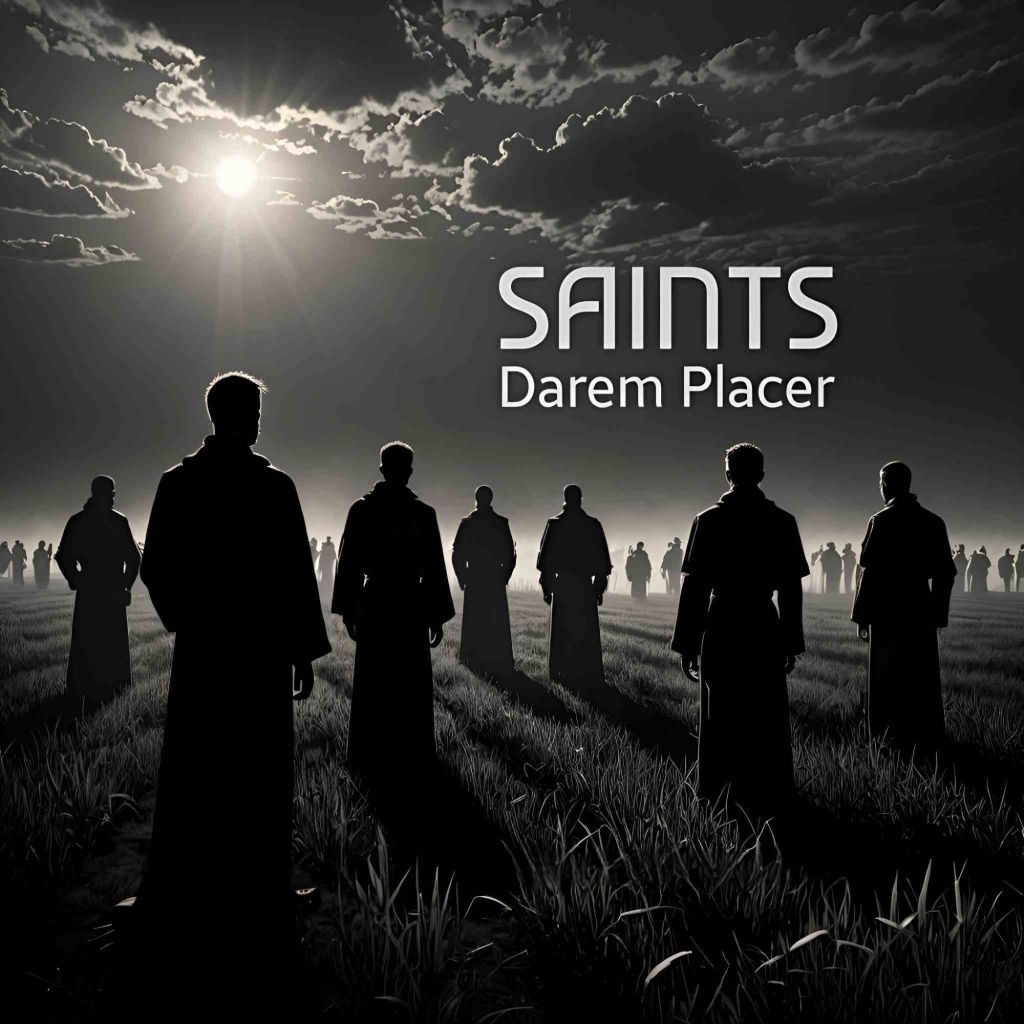
Traces of courage, silence, and sacrifice—this is Saints.

Listen on Apple Music, Apple Music Classical, and YouTube Music

Saint Lioba and Saint Boniface: A Different Kind of Love

Their closeness in mission was unmatched—yet in the end, it took a turn only true spiritual love can explain.

Most love stories talk about a woman trusting a man. But here, the story is reversed. Bishop Boniface—later known as the Apostle of Germany—placed his deepest trust in a woman of God, Sister Lioba.

In the 700s, Bishop Boniface carried the Gospel across Germany, but he knew he could not do it alone. He called Sister Lioba from her convent in England and asked her to guide the women’s communities with wisdom and prayer. She became a leader, teacher, and mother to many. And to Bishop Boniface, she was more than a helper—she was his most trusted friend. He once said she was “beloved above all others.”

Before his final mission to Friesland in 754, where he would be martyred, Bishop Boniface made a personal request to her: “When your time comes, may you rest at my side in Fulda.” Fulda was the monastery he had founded in 744, and where he himself would be laid to rest. It sounded almost like a romance, but it was not. It was something higher—a bond of spiritual love, rooted in God and mission.

Yet when Sister Lioba’s time came in 782, she refused that wish. Out of humility, she said she did not deserve to rest beside a martyr. So she was laid to rest close to him, but not at his side. Their tombs stood apart.

It feels like a sad ending—two who wished to remain together, yet separated in death. And still, it is also a happy ending. Because their closeness was never about the grave. It was about God, about trust, about a love that is not romantic, but eternal. Romantic love ends at the grave. Spiritual love does not. It goes beyond. It lasts forever.

ᴛʸᵖⁱⁿᵍ ᴏᵘᵗ ᵒᶠ ᵗʰᵉ ʙˡᵘᵉ ᵈᵃʳᵉᵐ ᵐᵘˢⁱᶜ ᵇˡᵒᵍ

Go Away but Be Near Me • Darem Placer
Alone with a Piano includes Go Away but Be Near Me

Listen on Apple Music and YouTube Music