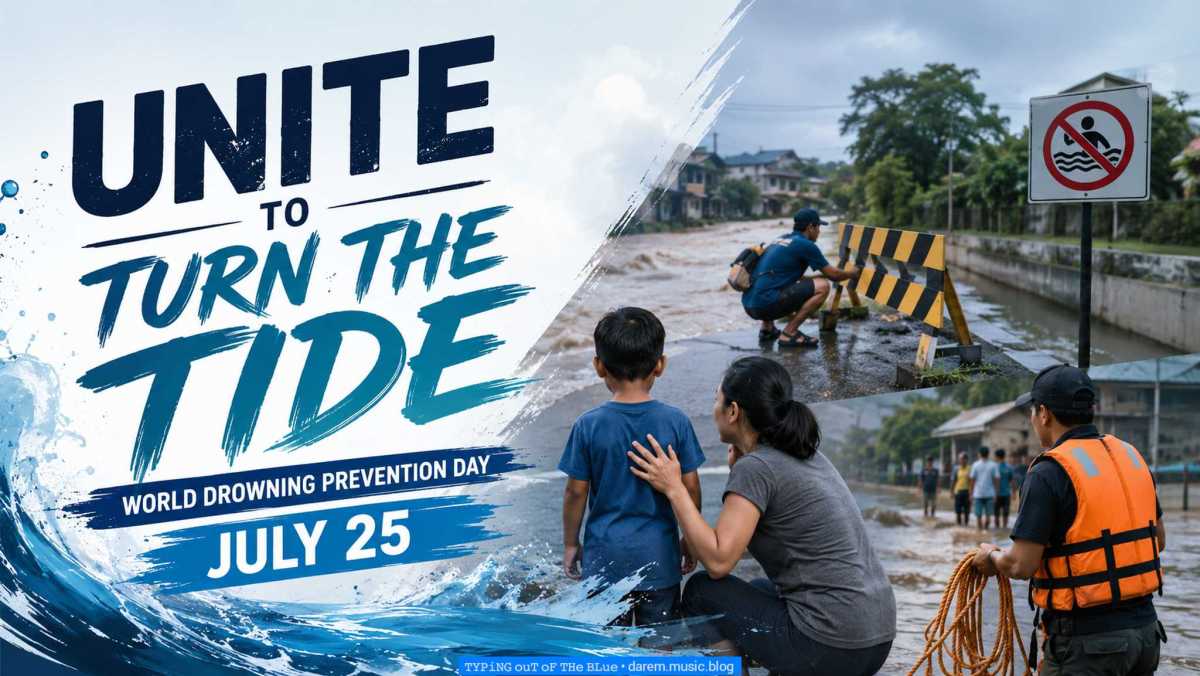
Unite to Turn the Tide

A few seconds around water can change everything. Awareness and preparation can make those seconds count.

World Drowning Prevention Day • July 25

Water gives life, but it can also take life in minutes.

Drowning can happen in pools, rivers, lakes, beaches, canals, wells, and during floods. Anyone can be at risk, including strong swimmers. Currents, sudden changes in depth, exhaustion, injury, or panic can quickly turn dangerous.

Floods bring another risk. Familiar streets can hide open drains, holes, debris, and strong currents under muddy water.

Many drowning deaths can be prevented when we work together:

• Keep young children within reach and always watch them around water.

• Secure pools, wells, water tanks, and other water hazards.

• Teach and learn basic swimming, floating, and water safety skills.

• Wear a proper life jacket when boating or in open water.

• Avoid swimming alone and choose designated swimming areas, preferably with lifeguards.

• Support community safety measures such as warning signs, barriers, rescue equipment, and trained responders.

• During floods, stay away from swollen rivers and avoid walking, swimming, or driving through floodwater. Warn others about dangerous areas and help those who may need assistance.

• Learn CPR and safe rescue methods. If someone is drowning, call for emergency help. Reach or throw a rope, pole, or floating object when possible, and do not enter dangerous water unless trained and equipped to do so.

We do not need to fear water. We need to respect it.

Like musicians playing the same piece, we may have different parts, but keeping one another safe requires us to play together.

⌨ ᴛʸᵖⁱⁿᵍ ᴏᵘᵗ ᵒᶠ ᵗʰᵉ ʙˡᵘᵉ ᵈᵃʳᵉᵐ ᵐᵘˢⁱᶜ ᵇˡᵒᵍ
Still Air • Darem Placer • Full album. Press play.

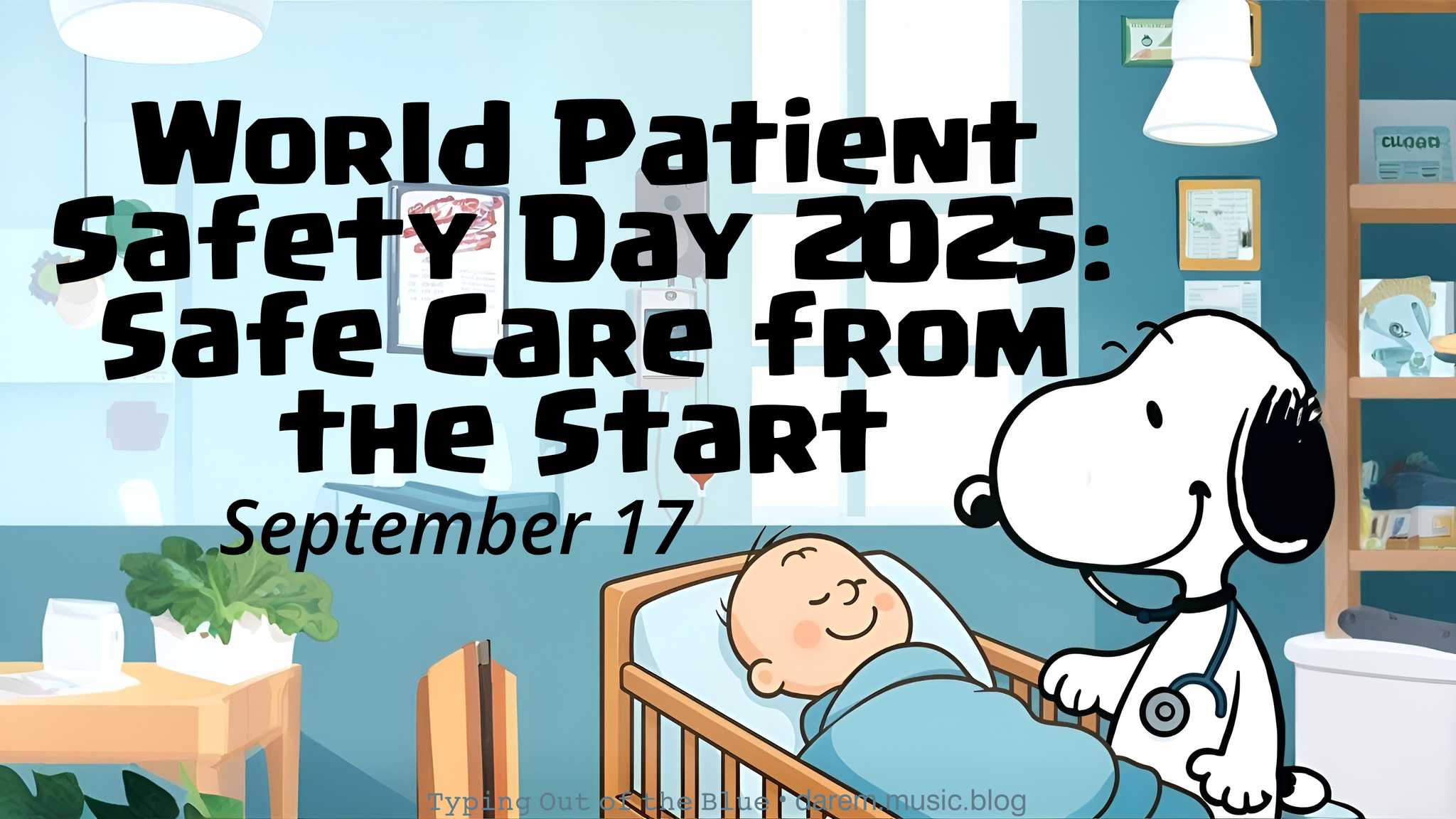
World Patient Safety Day 2025: Safe Care from the Start

The spotlight this year is on children, with safety for every patient starting when parents ask the right questions.

Every September 17, the world marks World Patient Safety Day. For 2025, the theme is “Safe care for every newborn and every child”, with the call, “Patient safety from the start!” It’s about protecting kids at their most fragile ages—from birth up to around 9 years old.

Doctors, nurses, and hospitals all play a role, but no one watches a child more closely than the parents. That’s why your voice matters most.

Questions parents should never be shy to ask

When your child is being treated, don’t just stay quiet. Ask. Speak. Make sure you understand what’s happening. These simple questions can make a big difference:

• Diagnosis — What exactly is wrong with my child?

• Treatment — What medicine or procedure are you giving, and why?

• Dosage — Is this the right dose for my child’s age and weight?

• Risks — What side effects should I watch out for?

• Infection safety — How do you make sure my child won’t catch germs here?

• Immunization — Is my child’s vaccine record complete and safe for their age?

• Next steps — What should I do if my child’s condition changes at home?

• Alternatives — Is there another safe option?

• Emergency plan — Who do I call and where do I go if things suddenly get worse?

More than a day

World Patient Safety Day reminds us: safety is a right, not a favor. This year’s theme shines a light on children, but the call goes beyond them—every patient, young or old, deserves safe care.

And it shouldn’t be remembered only once a year. Every visit, every check-up, every treatment is a chance to make health care safer.

Real patient safety begins when families speak up—not just on September 17, but every day.

ᴛʸᵖⁱⁿᵍ ᴏᵘᵗ ᵒᶠ ᵗʰᵉ ʙˡᵘᵉ ᵈᵃʳᵉᵐ ᵐᵘˢⁱᶜ ᵇˡᵒᵍ