Saint Agnes of Prague—Power or Depth

Her future was secure—she was a princess. Her question was deeper.

Most saint stories sound too perfect. Like they were born serious and never struggled.

Agnes was different. She was a real princess. Born in 1211, daughter of the King of Bohemia in Central Europe. Her life was already planned. She would marry for political reasons. That was normal.

As a child, she was sent to a convent for education. That was also normal for royal girls. But there, she saw a different kind of life. Quiet. Focused. Centered on prayer.

Back at the royal court, marriage offers kept coming. Princes from different countries. At one point, her engagement was even broken because of politics. Imagine your future decided by agreements between kings.

That may have made her think. If royal life is this unstable, is it really everything?

Around that time, she learned about the Franciscan movement and about Clare of Assisi, who later became Saint Clare. These were people who chose poverty on purpose. Not because they had no choice, but because they believed God was more important than comfort or status. Agnes and Clare wrote letters to each other.

Little by little, Agnes became more interested in that way of living.

She simply saw two paths in front of her.

One path: power, marriage, royal influence.
The other: prayer, service, simplicity.

She chose the second.

She founded a convent in Prague and personally cared for the sick and the poor. She gave up luxury by decision.

Agnes became interested in spirituality because she saw the limits of power and the quiet strength of faith.

And once she understood that, she followed it fully.

Today, many lives are still arranged by expectation. Career pressure. Family pressure. Status pressure. The path that looks secure is not always the path that feels true.

She chose depth over advantage.

That question still stands for anyone today. What are we choosing, and why? Saint Agnes made her choice.

Let’s keep learning the saints’ way—day by day.

⌨ ᴛʸᵖⁱⁿᵍ ᴏᵘᵗ ᵒᶠ ᵗʰᵉ ʙˡᵘᵉ ᵈᵃʳᵉᵐ ᵐᵘˢⁱᶜ ᵇˡᵒᵍ
Living in Two Octaves•Darem Placer

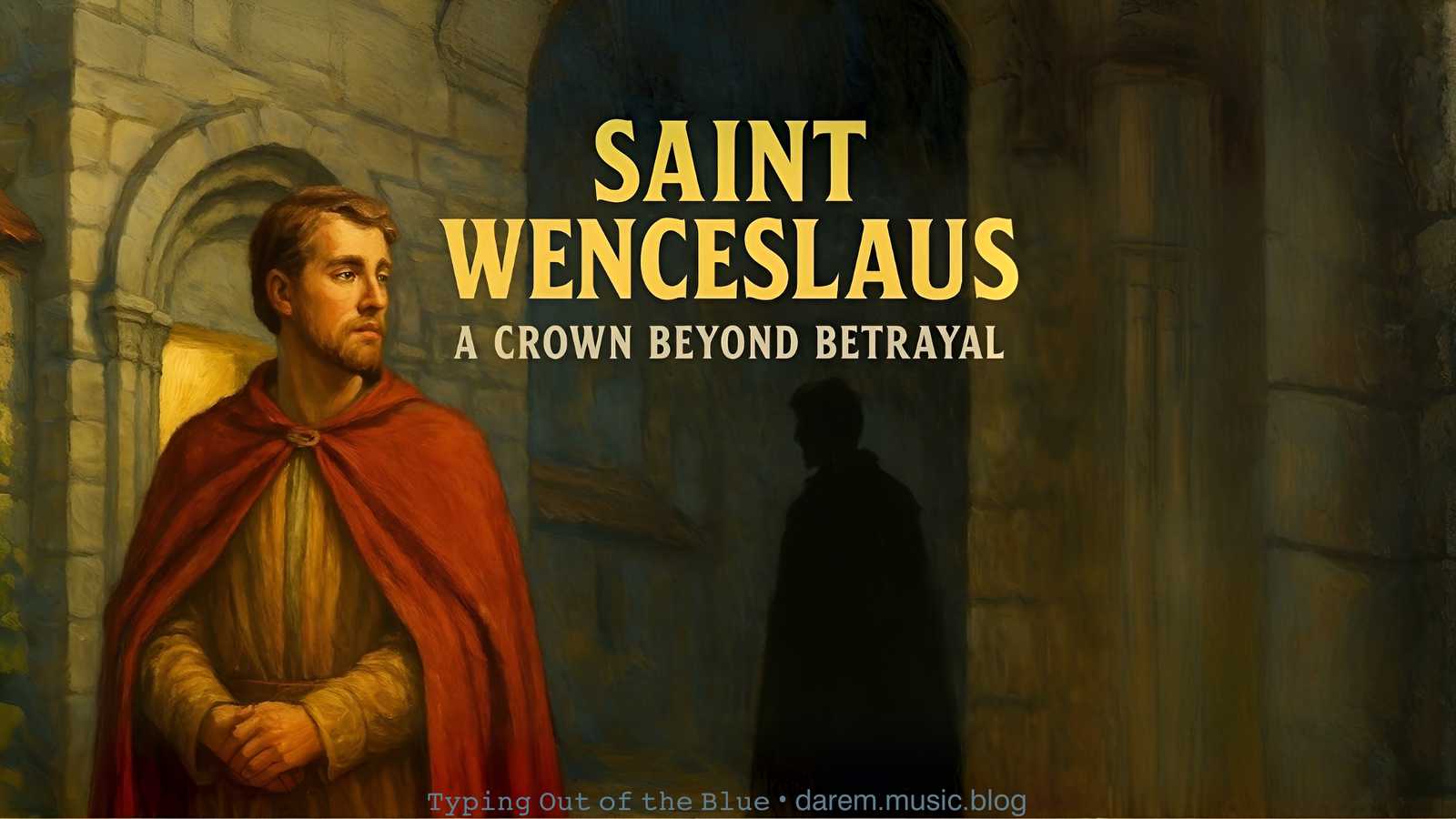
Saint Wenceslaus • A Crown Beyond Betrayal

A duke betrayed by his own brother shows the clash between worldly power and God’s eternal kingdom.

Prince Wenceslaus was born around 907 in Bohemia, a region in Central Europe that is now part of the Czech Republic. He was raised in the Christian faith by his grandmother, Saint Ludmila, who taught him to live differently from the power-hungry nobles around him. From a young age, he showed unusual devotion: feeding the poor, caring for orphans, and learning that true strength came from faith.

When he took the throne as Duke of Bohemia, Wenceslaus carried those lessons into leadership. He ruled with mercy instead of fear, promoted peace with Christian neighbors, and gave support to the Church. But this put him at odds with many pagan nobles who preferred the old ways of power and revenge. To them, his compassion looked like weakness.

The greatest threat came from within his own family. His younger brother, Boleslaus I—later remembered as Boleslaus the Cruel—wanted the throne. Backed by nobles who despised the Christian direction of Bohemia, Boleslaus plotted his death. On September 28, 935, as Duke Wenceslaus went to Mass in the town of Stará Boleslav, his brother’s men attacked him at the church door. Boleslaus himself stabbed him, delivering the fatal wound.

The world at the time called it politics. The Church called it martyrdom. And history now calls him Saint Wenceslaus, patron of the Czech people. His death exposed the clash of two worlds—one that glorifies power at any cost, and one that lives for God’s truth. The same choice confronts us today. Many people chase “goodness” that is really self-serving: loyalty for gain, generosity for image, kindness only when convenient. It is the same spirit that destroyed Wenceslaus—love for the wrong “world.”

Saint Wenceslaus lost his throne, but kept the only kingdom that lasts.

ᴛʸᵖⁱⁿᵍ ᴏᵘᵗ ᵒᶠ ᵗʰᵉ ʙˡᵘᵉ ᵈᵃʳᵉᵐ ᵐᵘˢⁱᶜ ᵇˡᵒᵍ
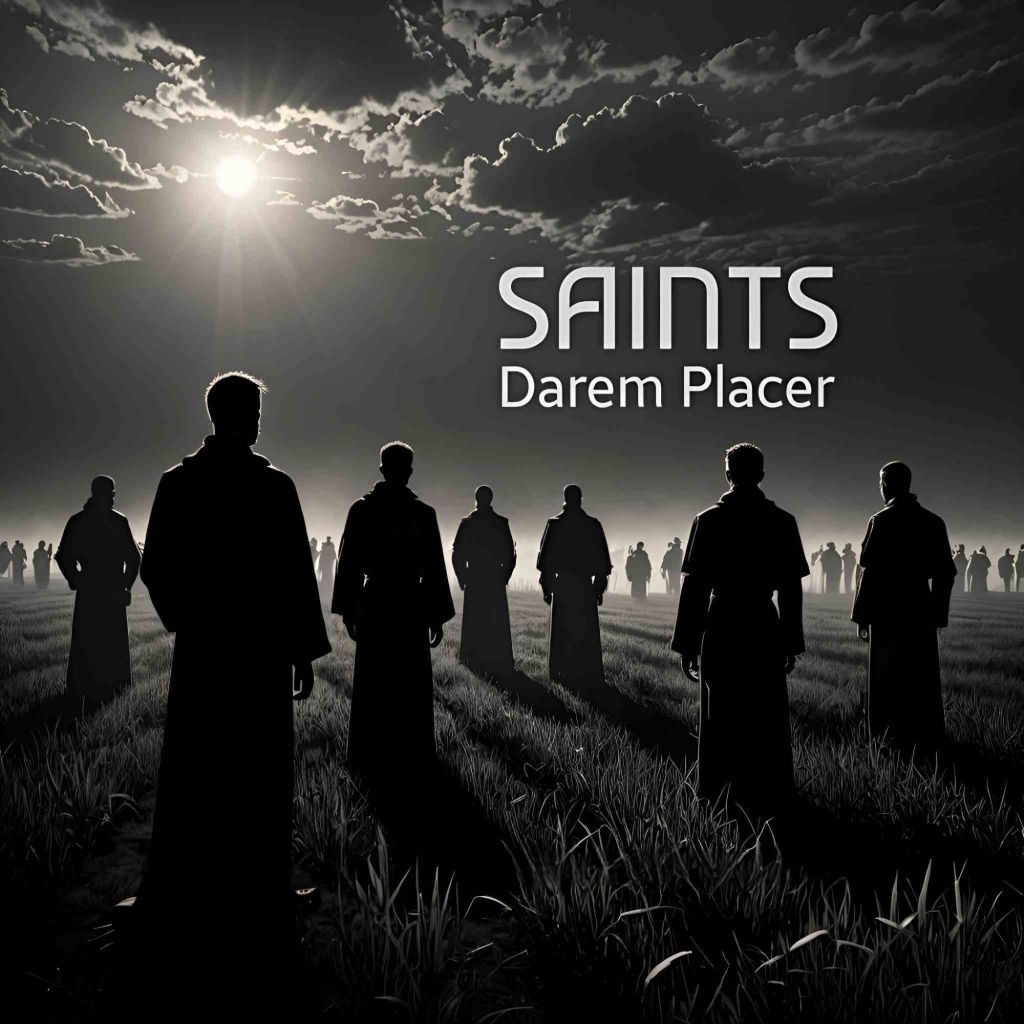
Traces of courage, silence, and sacrifice—this is Saints.

Listen on Apple Music, Apple Music Classical, and YouTube Music