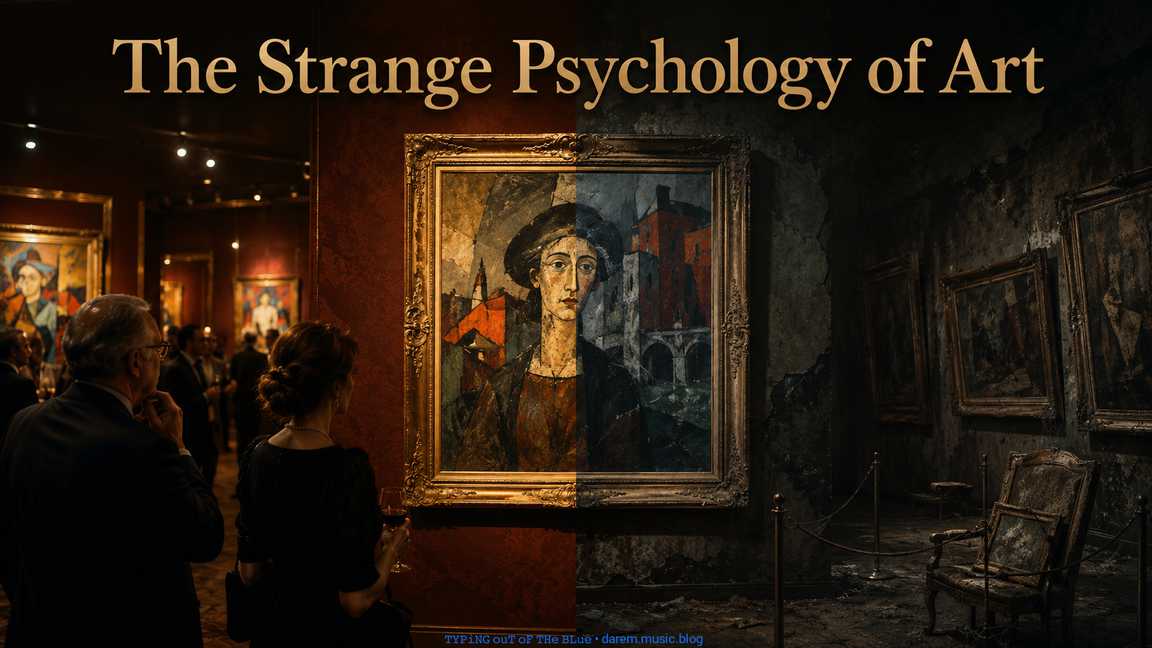
German art forger Wolfgang Beltracchi spent decades fooling the art world not by copying paintings, but by creating “new” ones.
Starting in the late 1970s, he studied the styles of artists like Max Ernst, Heinrich Campendonk, Fernand Leger, and others so well that by the 1980s, he had begun creating forged paintings that looked like lost masterpieces suddenly rediscovered after decades. He and his wife even built fake backstories around the paintings using old frames, antique canvases, and staged family photos.
Collectors loved them.
Experts praised them.
Some were sold for millions.
For years, people genuinely believed the paintings were beautiful, thinking they had been made by the real artists.
Then one small mistake ruined everything.
Beltracchi used a modern white paint that contained titanium white pigment in a painting supposedly made before that pigment was commonly used by artists of that period. A forensic test caught it.
In 2010, the whole operation collapsed.
Beltracchi was arrested, later imprisoned, and sentenced to several years in prison for art forgery fraud.
And suddenly, the same paintings people once admired became “fake garbage” overnight.
Same colors.
Same brushstrokes.
Same canvas.
People loved the paintings when they believed famous artists had made them.
Then lost interest the moment they learned the truth.
ᴛʸᵖⁱⁿᵍ ᴏᵘᵗ ᵒᶠ ᵗʰᵉ ʙˡᵘᵉ ᵈᵃʳᵉᵐ ᵐᵘˢⁱᶜ ᵇˡᵒᵍ