Trees Will Not Save Us—But They Still Matter

Climate change is not a planting problem. So what actually works?

There is a popular idea that says, “Plant more trees and climate change is solved.”

It sounds comforting. But it is not true.

No serious scientist ever said plants can save us from climate change.

What they said was simpler—and more honest: plants help, but only a little.

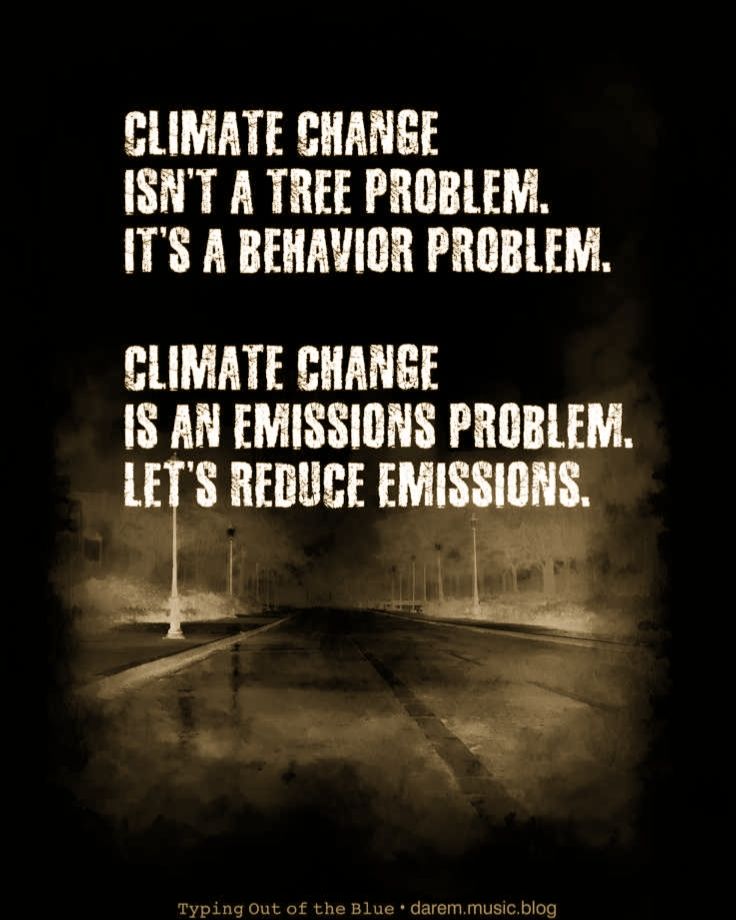
Climate change is an emissions problem.

It comes from fossil fuels, factories, transport, and endless consumption.

Trees cannot absorb carbon faster than humans release it. Even if the planet were filled with trees, as long as emissions continue, we still lose.

Recently, new studies showed that plants actually absorb less CO₂ than climate models once assumed¹.

This corrected an old belief that nature could take in more carbon as CO₂ levels rose.

But this is not the turning point some people think it is.

Even if the old belief were true—even if plants really could absorb much more CO₂—the impact on climate change would still be limited. Human emissions are simply too large and too constant for plants to offset in any meaningful way.

So the new finding does not change the conclusion.

It only removes a false sense of comfort that should never have existed.

So what is the real role of trees?

Trees are protectors, not saviors.

They:

  • limit floods
  • hold soil and prevent erosion
  • cool cities
  • protect water systems
  • reduce damage during storms

That is their true strength—local, physical, and immediate.

Think of trees as a shield, not a reset button.

They help us survive the impact—but they do not erase the cause.

So what is the easiest smart thing to do?

  • Use less electricity you do not need.
  • Drive less when walking or one short ride is enough.
  • Buy less, keep things longer.
  • Plant trees, but stop using them as excuses for bad habits.
  • Support rules that limit pollution, even when they are inconvenient.
  • Talk about climate change without panic or preaching—just facts.

Bottom line:

Plant trees, yes.

But cut emissions, always.

Nature helps us cope.

Only humans can choose to change.

¹ Kou-Giesbrecht, S., et al. Nitrogen limitation reduces the CO₂ fertilization effect. PNAS.
⌨ ᴛʸᵖⁱⁿᵍ ᴏᵘᵗ ᵒᶠ ᵗʰᵉ ʙˡᵘᵉ ᵈᵃʳᵉᵐ ᵐᵘˢⁱᶜ ᵇˡᵒᵍ
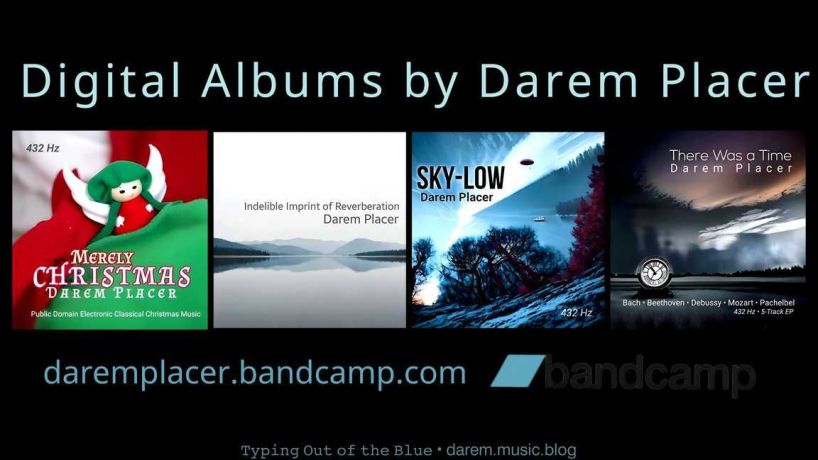
Digital Albums by Darem Placer on Bandcamp
Listen. Buy. Download.

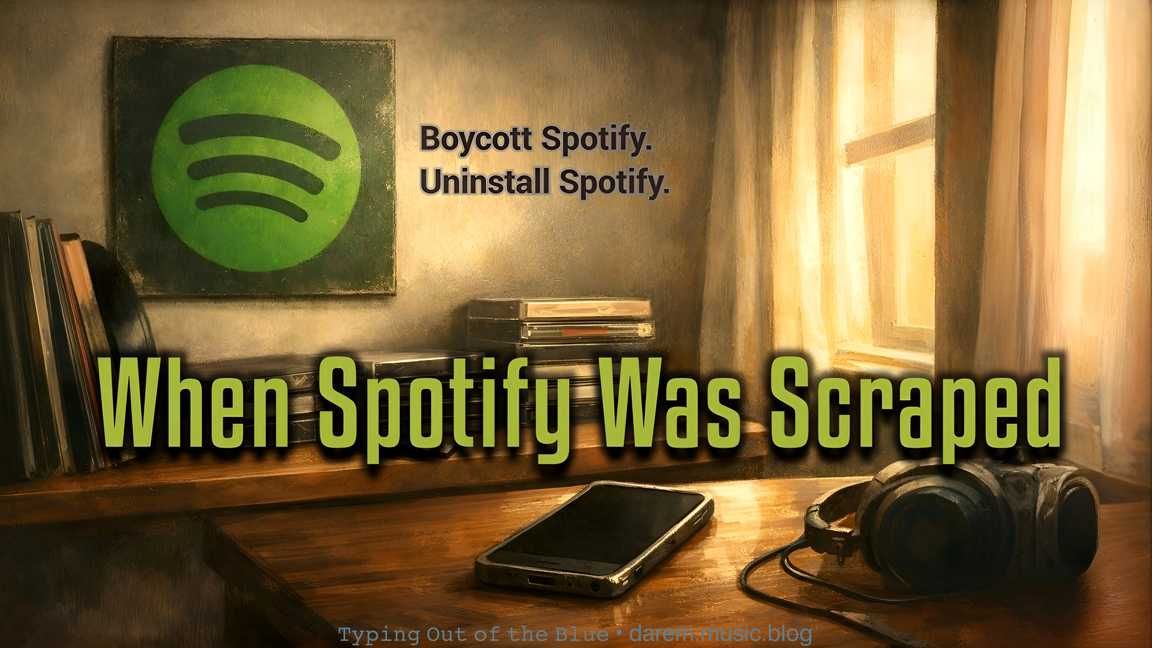
When Spotify Was Scraped

Streaming promised convenience, but scraping proved it didn’t end piracy—it only reshaped it.

A hacktivist group calling itself Anna’s Archive recently claimed it scraped almost the entire Spotify catalog—around 86 million tracks, covering roughly 99% of all music streams on the platform. Not removed. Not deleted. Just copied, at massive scale.

They framed it as preservation. An archive. Almost like a Wikipedia offline dump—but for music.

And that comparison is tempting. Wikipedia openly allows full database dumps. Knowledge is meant to be shared, copied, preserved. No royalties. No artists losing income. No complicated middle ground. Music is different.

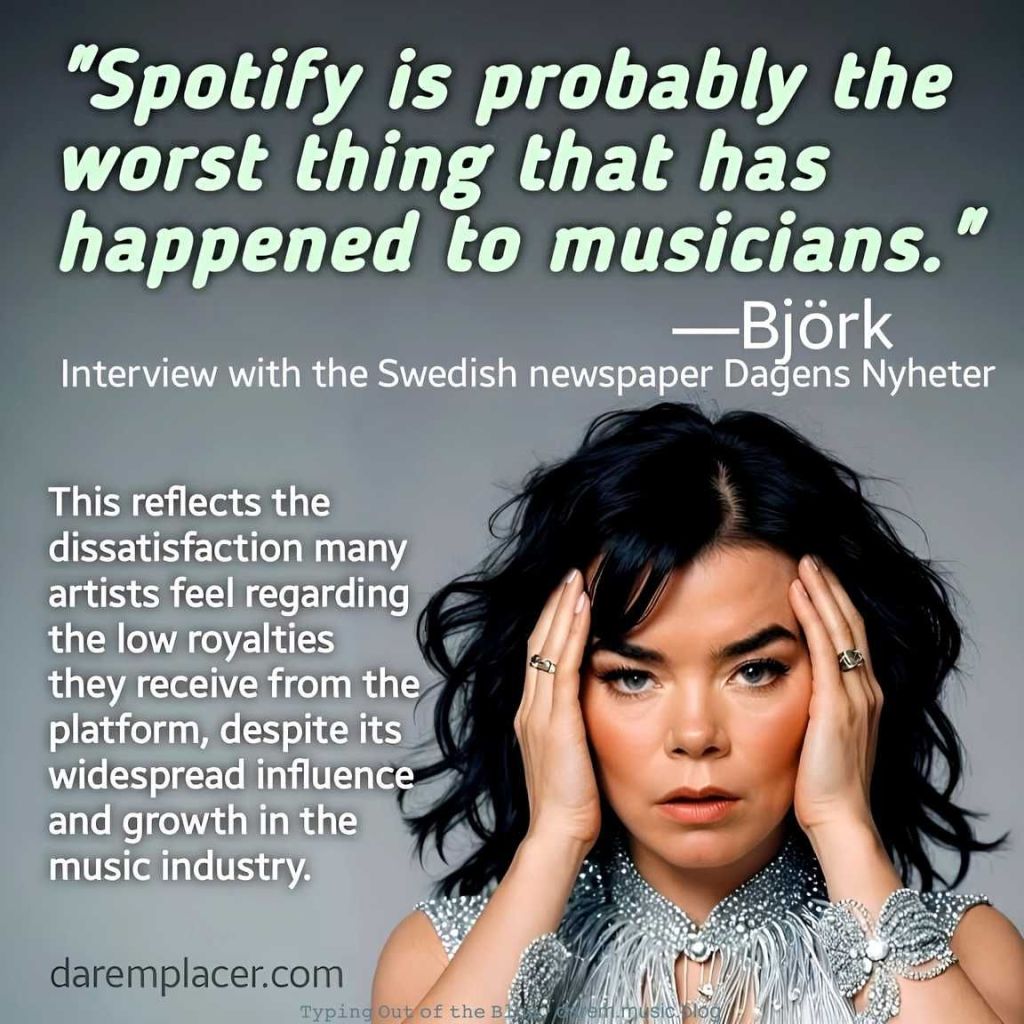
Every track has a creator behind it. A livelihood. Rights. Royalties—small as they already are. So while Wikipedia sharing feels clean, music sharing is messy. Someone always pays the price, and it’s usually the artist.

Still, the scrape exposed something uncomfortable.

Spotify is known for being one of the most paranoid platforms. Locked-down accounts. DRM. Aggressive bot detection. AI-driven defenses against fraud, fake streams, and abuse. And yet, it still happened. Which makes you wonder what was really being protected.

It feels like a platform busy securing war defenses—AI battles, data battles, behavior battles—while missing the obvious truth. If music is streamable, it is copyable. There is no firewall against sound.

It’s like a house with every door locked, even the CR, but the windows left open—because people still need air. Access is the window. Streaming is the window. And scraping simply climbed through it.

Streaming was supposed to solve piracy. No more downloading. No more hoarding MP3s. Just press play and move on. But instead of killing piracy, it only reshaped it. From individual downloads to automated harvesting. From one song to entire catalogs.

And this is where regret enters.

Because when everything is rented, nothing is yours. You don’t own the music. You don’t keep it. You don’t pass it on. You can’t ask an artist to sign your phone. You can’t hand down a playlist. You can’t keep a song when a platform changes its rules or disappears.

That’s why physical media is quietly coming back. Vinyl. Cassette. CD. Even simple MP3 files. Not because they’re trendy, but because ownership matters.

A record can be signed. A CD can age with you. An MP3 works offline, free from algorithms and policy shifts. Streaming promised convenience, but people want permanence.

In the end, Spotify didn’t solve piracy. It just closed one door and opened another—leading people back to physical media, digital files, and the human need to keep what they love.

Some things shouldn’t be rented forever. Some things deserve to stay.

Boycott Spotify.
Uninstall Spotify.
Support Bandcamp artists.
Install Bandcamp.

⌨ ᴛʸᵖⁱⁿᵍ ᴏᵘᵗ ᵒᶠ ᵗʰᵉ ʙˡᵘᵉ ᵈᵃʳᵉᵐ ᵐᵘˢⁱᶜ ᵇˡᵒᵍ
Digital Albums by Darem Placer on Bandcamp
Listen. Buy. Download.