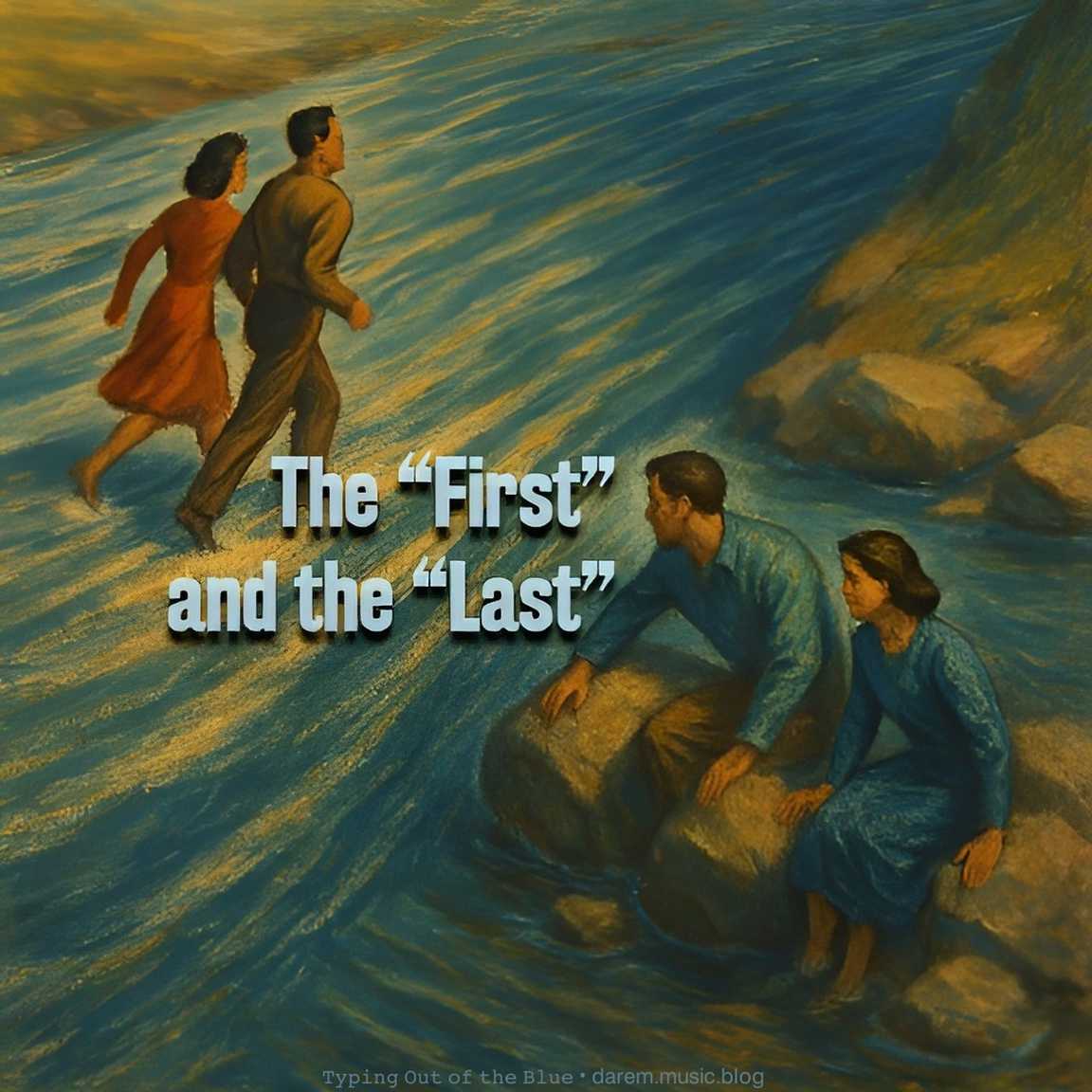
From being cared for to caring for others, every stage of responsibility shows a new way to grow.
Based on developmental psychology studies on responsibility and growth
Responsibility doesn’t grow at the same speed for everyone. These stages don’t have fixed ages—some of us start early, others find our rhythm later in life. That’s not failure—it’s just life. This guide isn’t a rulebook, but a way to reflect on how our sense of responsibility can grow over time.
🍼 1. The Dependent
Usually around Ages 0–5
“Being Taken Care Of“
At this stage, we rely on others for everything. We follow rules simply because we’re told to, not because we understand them yet. Life is mostly about play, discovery, and being cared for.
🧒 2. The Follower
Often around Ages 5–10
“Following Instructions”
We start doing tasks—like chores or homework—but usually only when asked. The motivation is often reward or avoiding scolding. We begin to respond to structure, but full ownership isn’t there yet.
👦 3. The Learner
Common around Ages 10–14
“Being Accountable”
We begin to see how our actions affect others. We might start saying sorry on our own, fixing mistakes, or helping out even without reminders. A sense of fairness and responsibility starts to form.
🧑 4. The Chooser
Often seen around Ages 14–18
“Making Decisions”
We start making our own choices based on what’s right—not just what’s easy. Values begin to matter more than rules. Even without supervision, we try to do what we believe is right.
👨 5. The Initiator
Usually around Ages 18–25+
“Taking Initiative”
We begin to act not just because someone told us to, but because we care. We help out, take charge, and follow through. People start to count on us—and we rise to it, not for applause, but because it matters.
🧓 6. The Guardian
Often reached around Age 25+ or earlier
“Carrying Others’ Burdens”
We take responsibility for others, not just ourselves. Maybe as a parent, mentor, or team leader—we protect, support, and sometimes sacrifice. We start living for something bigger than just us.
🕊️ 7. The Builder
May begin around Age 30+ or earlier
“Living for a Mission”
Our responsibility becomes purpose-driven. We’re not just doing our job—we’re building something that lasts. A message, a movement, a legacy. We raise others up and commit to impact, not just success.
✨ 8. The Giver of Light
Can happen at any age
“Legacy & Letting Go”
We begin to pass things on—wisdom, roles, values. We step back and let others lead, not because we’re done, but because we want others to grow. We stop chasing the spotlight and start lighting the way.
💠 Beyond Stage 8: The Silent Power of Later Life
Growth doesn’t stop. Even beyond these stages, responsibility continues—but it transforms. It becomes quieter, deeper, more soul-level.
🧘♂️ Refinement, Not Retirement
50s–60s
At this stage, it’s not about doing more—it’s about choosing what truly matters. After years of carrying roles and tasks, we start focusing on clarity, peace, and passing on lessons we’ve learned the hard way.
🕯️ Wisdom in Simplicity
70s–80s
Here, we guide not through plans or speeches, but through presence. A simple life, lived well, becomes a quiet guide. Fewer words, stronger weight. Fewer actions, deeper impact.
🌌 Eternal Preparation
Any time after 60+
This is when we prepare not just others—but ourselves—for what’s beyond time. We reconcile. We bless. We leave behind love, not just memories. We live with one eye on heaven, and both hands still holding others.
🧡 Keep This in Mind
No matter what age we are or where we are in life, growth is always possible. We are not “behind.” We’re not too late. Responsibility isn’t about how old we are—it’s about how open we are to keep growing. And that can start today.
ᴛʸᵖⁱⁿᵍ ᴏᵘᵗ ᵒᶠ ᵗʰᵉ ʙˡᵘᵉ ᵈᵃʳᵉᵐ ᵐᵘˢⁱᶜ ᵇˡᵒᵍ