War’s Other Victim: The Earth

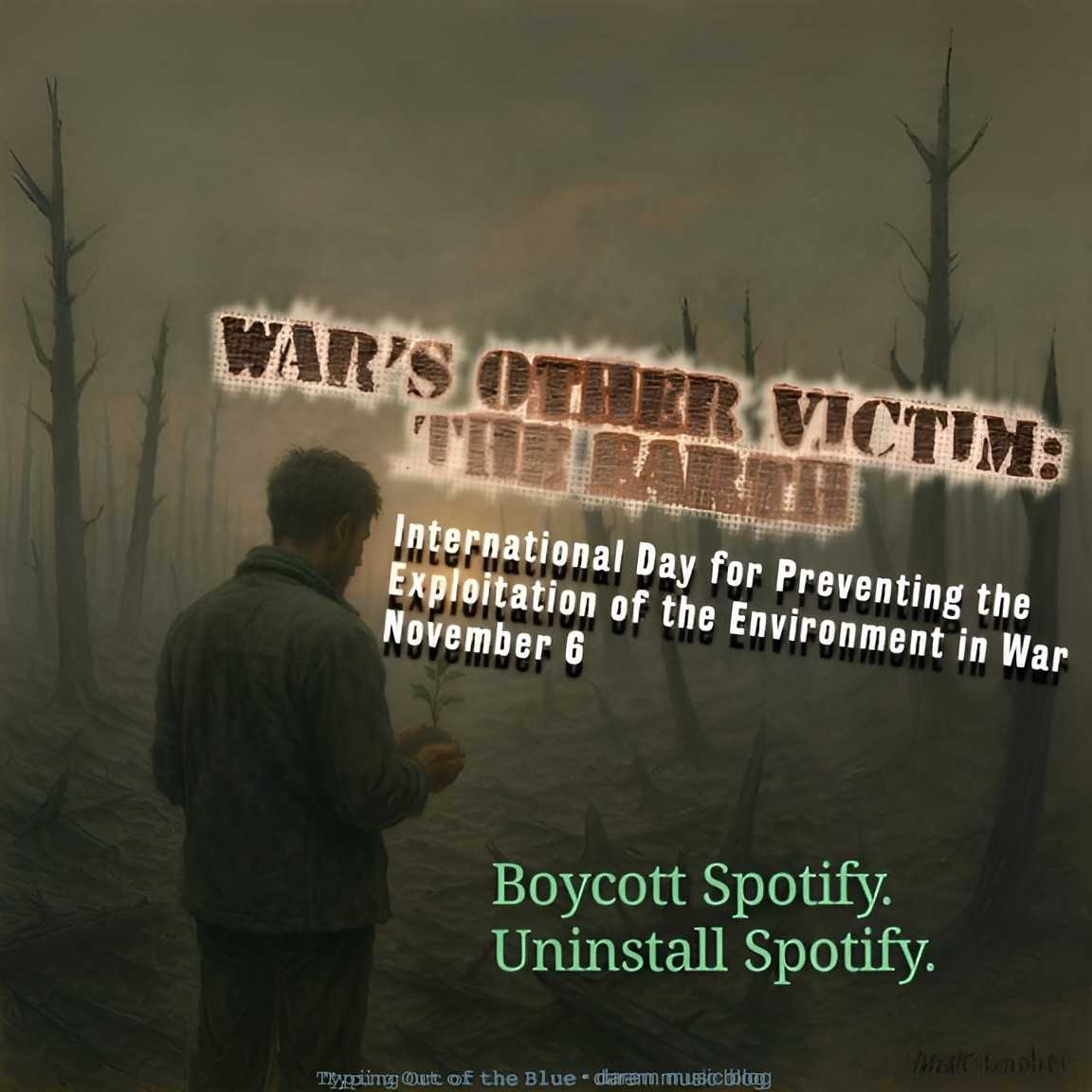
When wars end, the damage doesn’t. The earth remembers—and this day reminds us it deserves peace too.

International Day for Preventing the Exploitation of the Environment in War • November 6

When countries go to war, the environment quietly suffers. Trees are burned, rivers poisoned, and soil turns toxic. The United Nations says around 40% of all internal conflicts in the past 60 years are linked to natural resources like oil, timber, and water. And even when the war ends, the damage stays for decades—polluted air, lost species, destroyed farmland. The environment becomes the silent victim that nobody talks about.

This is why, back in 2001, the UN General Assembly declared November 6 as the International Day for Preventing the Exploitation of the Environment in War and Armed Conflict. It reminds the world that war doesn’t just kill people—it kills the planet too. Every bomb, every fire, every oil spill leaves scars that outlast generations.

The message today is simple—stop exploiting the earth for war, heal what’s broken, and let peace include the planet too.

Because honestly, climate change alone is already a hassle—then war goes and makes it worse.

By the way, SPOTIFY is supporting HELSING—a defense tech company using AI for war. This is exactly the kind of exploitation the world’s trying to stop. When greed hides behind “innovation,” even music and nature become part of the battlefield. Enough wars already—even the planet’s tired.

BOYCOTT SPOTIFY. UNINSTALL SPOTIFY.

⌨ ᴛʸᵖⁱⁿᵍ ᴏᵘᵗ ᵒᶠ ᵗʰᵉ ʙˡᵘᵉ ᵈᵃʳᵉᵐ ᵐᵘˢⁱᶜ ᵇˡᵒᵍ

👉 Download Sky-Low on Bandcamp

💿 Just type 0 if you want to download the album for free.

Sky-Low
Sky-Low is not just an album—it’s an awareness campaign about climate change and a challenge to protect our planet.

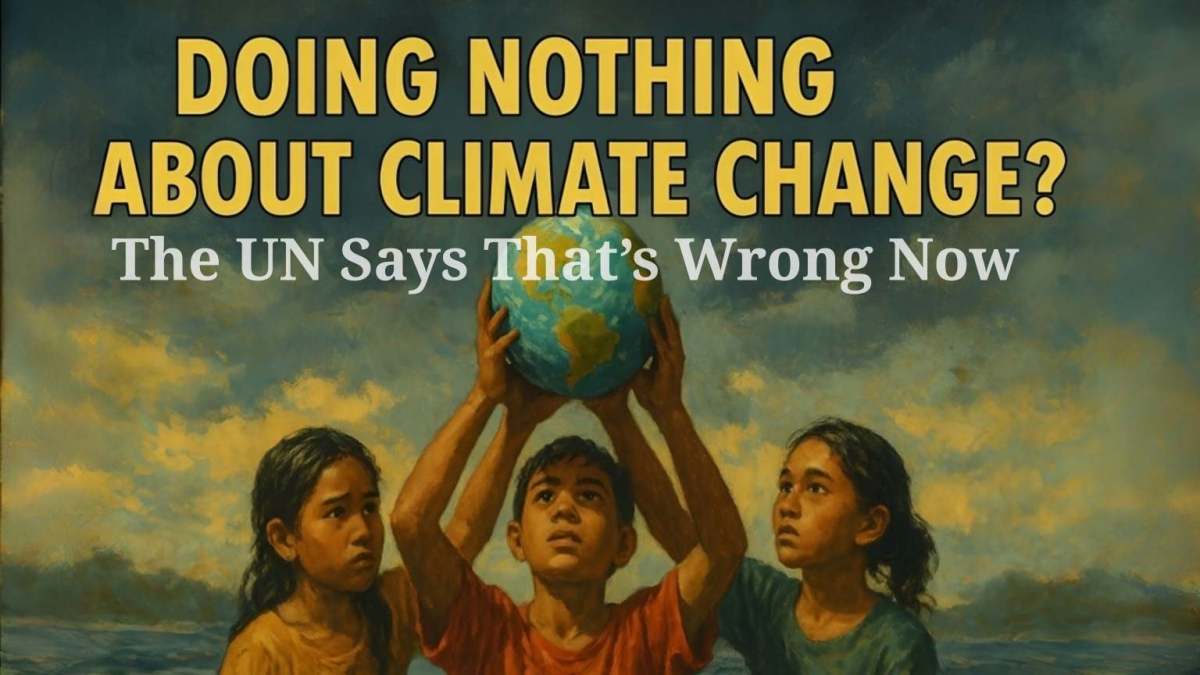
🌍 Doing Nothing About Climate Change?

The world’s top court just ruled that ignoring climate change is no longer neutral—it’s wrong. From Pacific Island students to the Philippines, the message is clear: fighting climate change is everyone’s duty, and now, it’s also a legal issue.

The UN Says That’s Wrong Now

On July 23, 2025, the International Court of Justice (ICJ)—the world’s top legal referee—made a historic call:

🗣️ “You can’t ignore climate change. If you do nothing, that’s already wrong.”

🌡️ What is climate change?

The Earth is heating up because of too much pollution. This extra heat messes with the weather—causing stronger typhoons, heavier floods, longer droughts, and food shortages.

The main cause: fossil fuels like coal, oil, and gas. Burning them for cars, factories, and electricity releases carbon dioxide (CO₂), which traps heat like a giant blanket around the planet.

⚖️ What did the court say?

• Countries must reduce pollution, cooperate, and protect nature.
• A clean and healthy environment is now recognized as a human right.
• Doing nothing—or still backing fossil fuels—is a legal failure.

This ruling strengthens nearly 3,000 climate lawsuits worldwide, especially cases against big polluters.

🌴 Who started this?

Not rich nations, but students from the Pacific Islands who saw their homes slowly sinking under water. With the support of Vanuatu, their call for help reached the UN—and now the whole world has to listen.

🇵🇭 What about the Philippines?

We’re not the big polluters—only about 0.3% of global emissions come from us—but we get hit the hardest with typhoons, floods, and heat. That’s why the Philippines supported the ICJ opinion, urging major polluters to help vulnerable countries like ours.

💥 What happens next?

• No more excuses—every country must act.

• Stricter climate laws and fewer fossil fuel projects may follow.

• Big polluters could face pressure to pay damages.

• Climate talks like COP30 in Brazil will likely get tougher.


You can’t damage the planet and hide. And you can’t sit back and do nothing either.

The world just made it clear: fighting climate change is everyone’s duty—and now, it’s also a legal issue.

𝚃𝚢𝚙𝚒𝚗𝚐 𝙾𝚞𝚝 𝚘𝚏 𝚝𝚑𝚎 𝙱𝚕𝚞𝚎
𝚍𝚊𝚛𝚎𝚖𝚙𝚕𝚊𝚌𝚎𝚛.𝚌𝚘𝚖