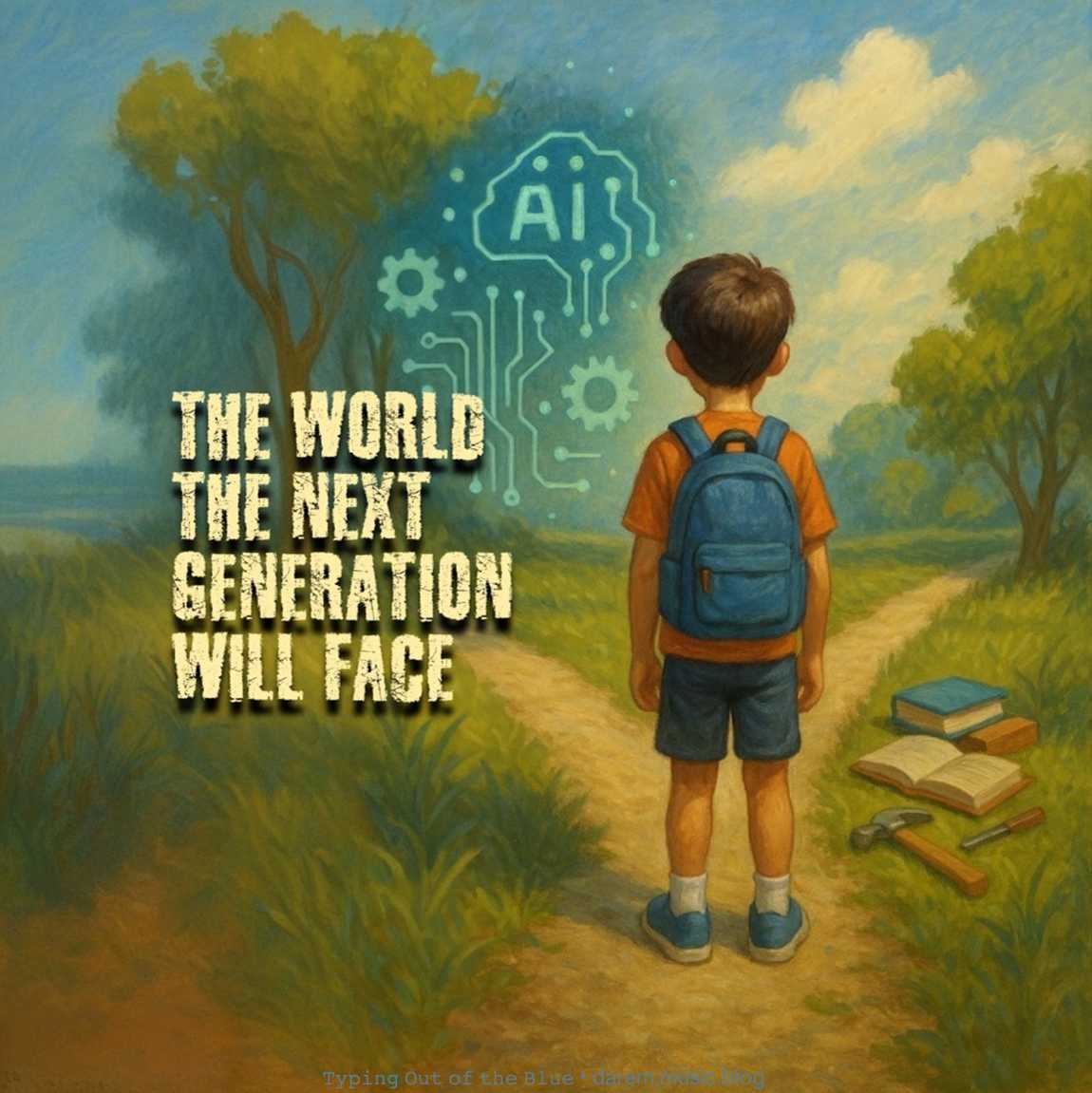
The World the Next Generation Will Face

Technology is changing how work is done, creating new roles and new skills for the next generation.

The world they’ll grow up in won’t look exactly like the one we know now—not because everything will disappear—but because everything is being rearranged.

Based on recent global reports from the World Economic Forum and McKinsey, by 2030, almost one-third of the tasks inside today’s jobs will be reshaped by automation, not erased.

By 2027, nearly half of all workers will need new skills to stay relevant. That’s how fast the shift is moving.

And honestly, schools and traditional systems are still slow. The change feels like a train that already left the station, and many people are still looking for the timetable.

But the point isn’t fear.
The point is clarity.

The future belongs to people who can learn fast, adjust fast, and stay flexible in a world that refuses to slow down.

What Skills Will Matter?

As AI takes over repetitive tasks, human skills rise in value. Not the fancy ones—just the real ones:

• Creativity
• Communication
• Problem-solving
• Adaptability
• Working with AI, not against it

Based on the same global studies, these are the abilities machines can’t fully replace because they come from lived experience.

The Jobs That Will Grow

Here’s the part that balances the story: Yes, some jobs will be disrupted—but new ones will grow even faster.

According to these worldwide forecasts, these fields will stay strong by 2030:

Human-Centered Tech

People who guide, review, and align AI systems. The world still needs humans who understand context.

▪︎ Creative Work

Writers, designers, musicians, comic artists, video creators.

Machines can imitate—but they can’t live a life.

And creativity comes from life.

▪︎ Health, Care, and Teaching

Therapists, nurses, teachers, counselors.

Anything that needs human presence will always need humans.

Climate & Sustainability

Solar techs, disaster-planning teams, community-resilience workers.

Especially in the Philippines—climate jobs won’t just grow—they’ll be necessary.

Security

Cybersecurity, fraud defense, emergency response.

When tech becomes smarter, so do the risks.

Systems People

Those who connect apps, automate workflows, and make tools work together.

This is one of the biggest gaps in the country right now.

Strong Soft-Skill Roles

Leaders, project coordinators, negotiators, community builders.

People follow people—not machines.

The Real Advantage

The safest future isn’t one job. It’s one mindset:

Stay curious.
Stay learning.
Stay ready to shift.

Because in a world filled with intelligent machines, the true competitive edge is still something no AI can copy—a human who knows how to adapt.
PQR (Predictive Quantum Research) • Darem Placer
Generation Alpha Bets includes PQR. Soon on Bandcamp.

⌨ ᴛʸᵖⁱⁿᵍ ᴏᵘᵗ ᵒᶠ ᵗʰᵉ ʙˡᵘᵉ ᵈᵃʳᵉᵐ ᵐᵘˢⁱᶜ ᵇˡᵒᵍ
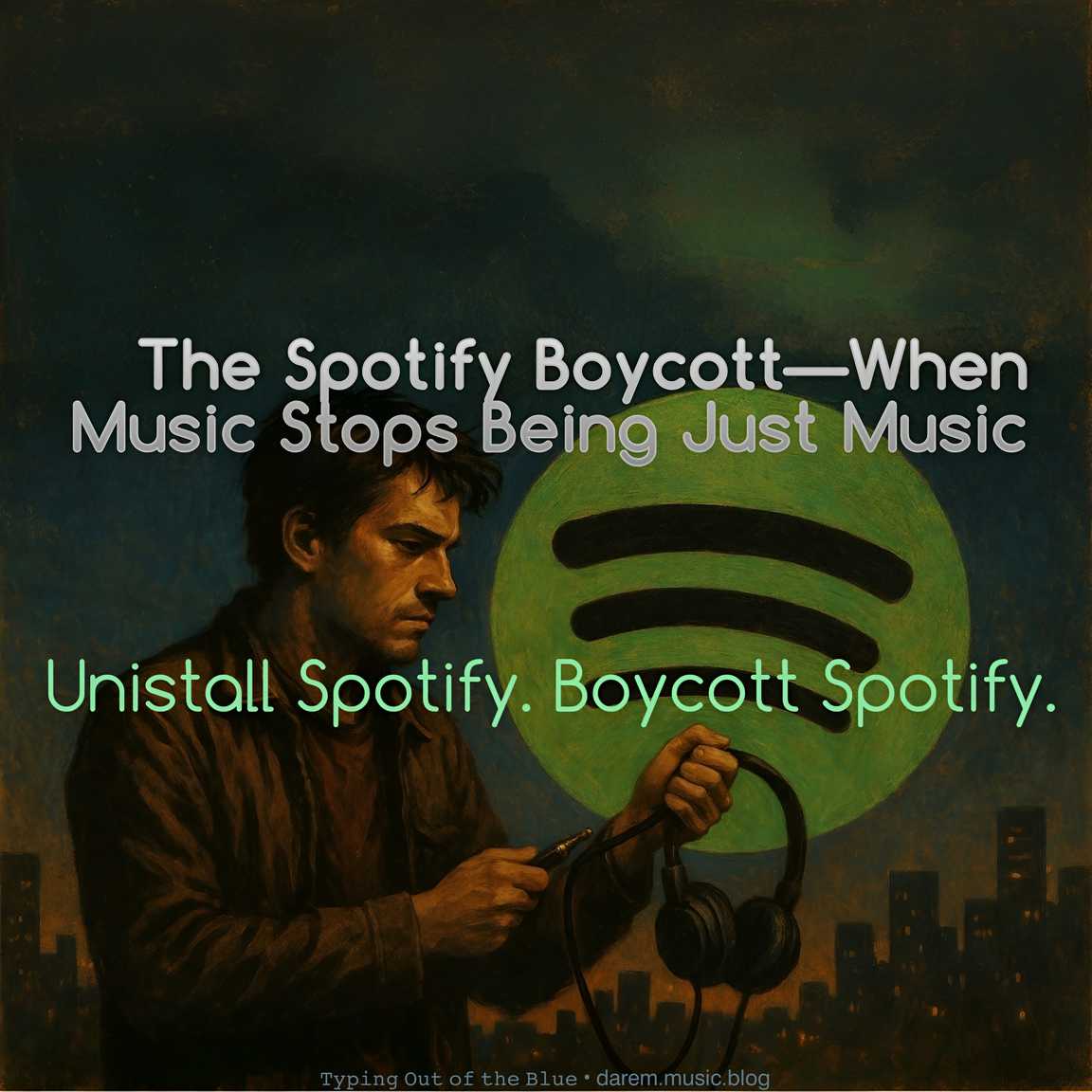
The Spotify Boycott—When Music Stops Being Just Music

The boycott isn’t about money—it’s about conscience, identity, and what music is supposed to stand for.

It’s no longer just about songs. The Spotify boycott is a mirror—showing what happens when music turns into a product instead of a pulse.

For years, Spotify sold us the dream: every song, anytime, anywhere. Freedom daw. But freedom built on exploitation isn’t freedom—it’s business in disguise. And now, people are finally seeing through the noise.

The Real Issue

This isn’t only about low artist pay. It’s about what Spotify stands for. When reports came out that their CEO invested in military AI tech—people felt something crack. You don’t make peace through war machines, and you don’t fund destruction with the art that heals people.

Add to that the playlists built by algorithms, fake artists filling streams, and creators earning crumbs while executives buy new yachts. Music used to move hearts. Now it moves stock prices.

Why Artists Are Fighting Back

Musicians aren’t just being dramatic. They’re defending something sacred—meaning. You pour your soul into sound, but your song becomes part of a system that barely knows your name.

And when that system starts aligning with weapons and warfare, it stops being about music altogether. That’s why the boycott matters. It’s a protest not just for fairness, but for conscience.

What This Means for Listeners

Every stream is a vote. Every playlist is a small piece of power. Maybe it’s time to listen with purpose. Maybe it’s time to care where your songs live.

Platforms like Bandcamp or direct support models might not have the same convenience, but at least they remember that artists are humans, not background noise for your commute.

My Take

Uninstall Spotify. Boycott Spotify.

This isn’t about hating a platform—it’s about standing for what music really means. The future of sound shouldn’t belong to people who treat it like code. If they build empires from our songs while investing in war, that’s not music anymore—that’s hypocrisy on repeat.

Music was born from silence, not algorithms. It breathes, bleeds, and believes. And maybe this boycott is the first note of a new tune—the kind that reminds the world what music’s soul truly sounds like.

UNINSTALL SPOTIFY. BOYCOTT SPOTIFY.

⌨ ᴛʸᵖⁱⁿᵍ ᴏᵘᵗ ᵒᶠ ᵗʰᵉ ʙˡᵘᵉ ᵈᵃʳᵉᵐ ᵐᵘˢⁱᶜ ᵇˡᵒᵍ