
A Christmas Song on Good Friday

In a quiet room on Good Friday, something out of place began to take shape.

One night, Lit Magcale, Vice President of Ivory Records, called me. She said they were already preparing early for a Christmas album, which, looking back, was probably how things were done. She asked if I could submit a demo. I said yes.

April 5, 1996. Good Friday.

I started writing. I was in my bedroom with a 4-track recorder, working on that demo.

The timing did not make sense. It was Good Friday. The house was quiet. Everything felt slow and solemn. But what I was working on was the opposite—a Christmas song.

I had my headphones on while recording, so from outside, there were no instruments. Just my voice, singing alone. “Paskong-pasko… la la lo la la…” My mom heard it and thought something was off. A Christmas song, on Good Friday, sung acapella inside a room—it did not sound normal.

But inside the headphones, it made sense. The arrangement was there. The direction was clear.

That demo became “Pass Ako,” part of the compilation album AkustiKrismas.

Around the same time, I pushed my friends’ band, Jellybeans, to join the project. They already had a song, “Santa and Me,” so they did not need to write a new one. They said yes. That became their entry point into a major label.

I even ended up doing a small voice part in their track—a simple “Ho Ho.”

Looking back, none of it lined up the way it was supposed to. Wrong season. Wrong timing. Unusual setup. But the work moved forward anyway.

The song got written. The demo got recorded. The project got filled.

The album was released in Christmas 1996.

I only thought about it now. Today is the Annunciation of the Lord, when Mary was asked and she said yes.

My yes, and my friends’ yes, did not wait for the right moment. They came before the situation made sense.

It feels close to that kind of moment when a yes is given. A call came. A response was given.

And from those yes moments, things began to move.

So it was not The End after all.

From the compilation album “AkustiKrismas”
Performed by The End

© 1996 (Tone Def) Ivory Records

Gene Pabalan: drums, triangle, lyre, tambourine, back-up vocals
Chay Sapida: piano, back-up vocals
Darem Placer: acoustic guitar, lead vocals

Additional vocals:
Apostles of Christ Through Service (ACTS) choir of Mary Immaculate Parish Nature Church
Jigs Cataluña † (In memory) “la la la lo la”

⌨ ᴛʸᵖⁱⁿᵍ ᴏᵘᵗ ᵒᶠ ᵗʰᵉ ʙˡᵘᵉ ᵈᵃʳᵉᵐ ᵐᵘˢⁱᶜ ᵇˡᵒᵍ
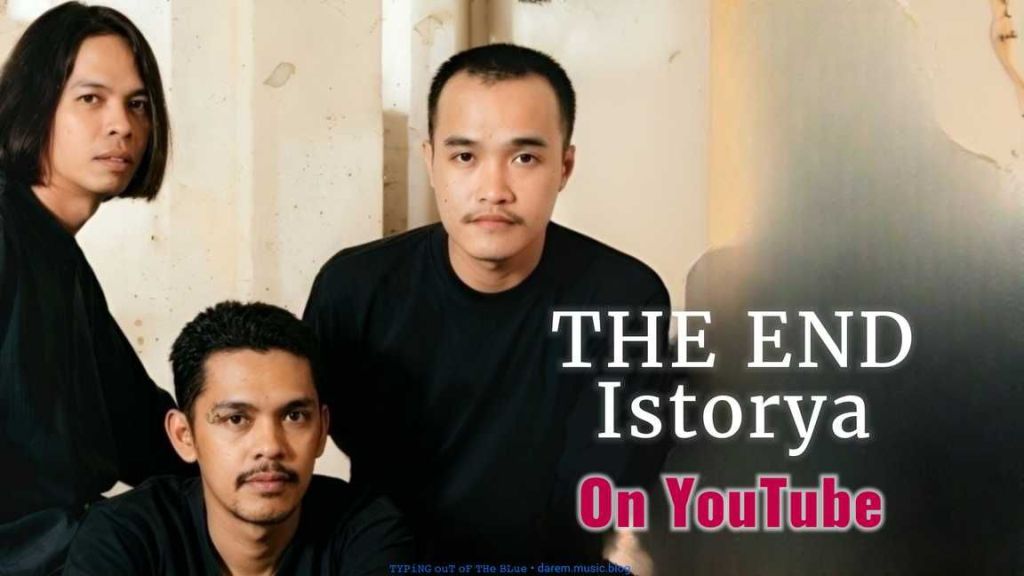
The End•Istorya

About Lies

What starts as an alibi can slowly change how we see truth, others, and even ourselves.

For those who’d rather listen.

A lie is a choice to twist the truth on purpose. It is not a mistake or confusion. It is knowing what is real and choosing to say something else.

Most people do not lie because they are bad. They lie because they are scared. Scared of judgment, scared of conflict, scared of being seen as they really are. Fear is usually the root, not evil.

There is also what people call a white lie. It is a lie told to avoid hurting someone or to keep peace. It sounds kind and sometimes feels understandable. Still, even a white lie is a lie. It is truth covered lightly, hoping no one looks too closely.

Lying is not the worst thing humans do. There are worse things like violence, cruelty, and intentional harm. But lies often come first. Before harm, there is denial. Before injustice, there is distortion. Lying becomes the entry point.

The real danger is not one lie but repetition. When lying becomes normal, reality starts to bend. When reality bends often enough, conscience follows. What once felt wrong slowly feels acceptable.

Avoiding lies does not mean being brutal. It means slowing down and pausing before answering. It means saying less instead of inventing more, choosing gentle truth instead of fake comfort. Not every truth needs full detail. Boundaries are not lies. Silence is not dishonesty. Saying “I’m not ready to talk about that” is still honest.

Knowing when someone is lying is not about tricks or detectors. There is no perfect test. But lies leave patterns. Stories shift. Explanations grow longer. Answers dodge the question. And after the conversation, instead of clarity, there is confusion.

Truth may feel awkward in the moment, but it does not need maintenance. It lets you sleep without carrying extra stories. Lies feel easier at first, then heavier over time. Truth does not perform or demand attention. It simply stays where it is.

This is a song I wrote in 1989. It says the part about lies that explanations usually miss. It’s about consent to illusion.

I Believe Your Lies

Another long sleepless night
Thinking of some unforgotten moments
You may be old enough to understand
But you’re too young to withstand

Another alibi, I guess just a lie
Cutting the dotted lines of a discount coupon
I can’t take the bargain
Can’t blame anyone if I never gain

’Cause I believe your lies
As I look into your eyes
I believe in your lies

Another form of a bad routine
Saying wrong words from right thoughts
Only God knows what’s behind an alibi
Wish I could be there forever with you

’Cause I believe your lies
As I look into your eyes
I believe in your lies

Today (January 18, 2026) happens to be the 70th birthday of Tom Bailey of Thompson Twins. Fitting timing, considering how much this piece circles around lies.

⌨ ᴛʸᵖⁱⁿᵍ ᴏᵘᵗ ᵒᶠ ᵗʰᵉ ʙˡᵘᵉ ᵈᵃʳᵉᵐ ᵐᵘˢⁱᶜ ᵇˡᵒᵍ

Digital Albums by Darem Placer on Bandcamp
Listen. Support. Buy. Download.