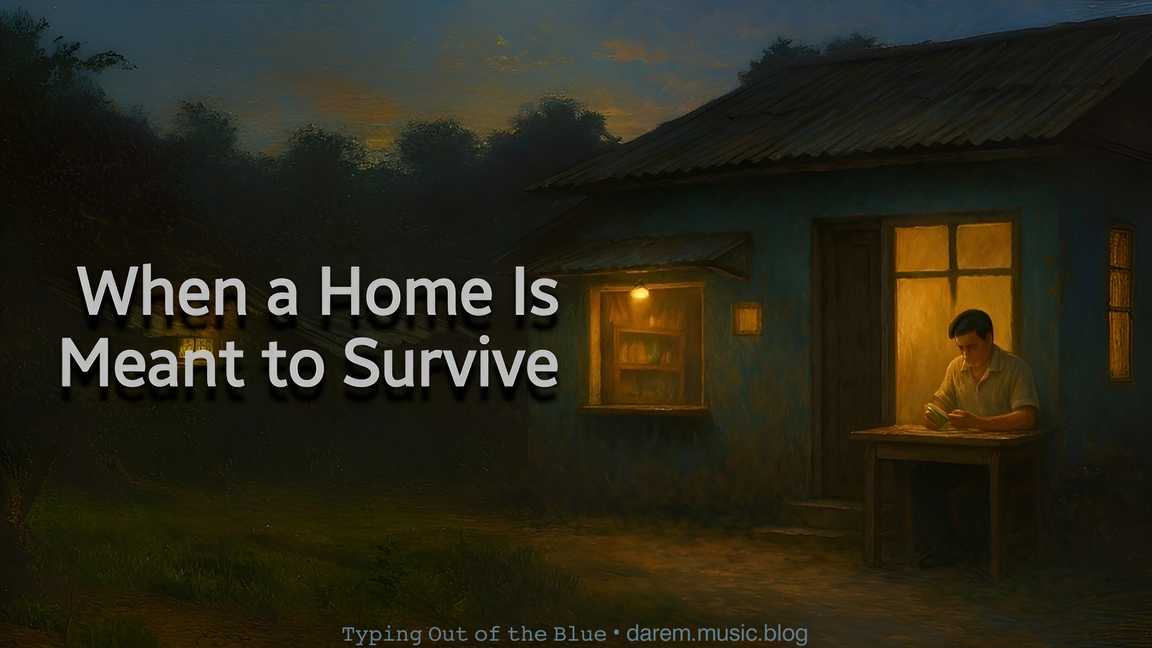
When a Home Is Meant to Survive

When salary is no longer enough, people find quiet ways to help their homes survive.

A house is meant to be shelter.
A place to live.
A place to feel safe.

But once there is a housing loan, life changes.

Part of the salary goes to the monthly payment.
What is left becomes smaller.
Bills still come.
Food still costs money.
Emergencies still happen.

For many people, salary alone is no longer enough.

So people look for extra income.

The most obvious place to do that is the home itself.

A small sari-sari store in front.
A room for rent.
A small service done at home.
Not to get rich—
but to help pay the loan and keep the house.

Here is the mindset many housing systems still follow:

• Salary pays the loan
• The house is passive
• Life is stable (LOL)

But life today is not built like that.

Living in the house is allowed.
Earning from the house is discouraged.

This is not about breaking rules,
but about understanding why people quietly bend them.

So people adjust quietly.

No signs.
No announcements.
No paperwork.

They hide.

Not because they want to break rules.
But because they need the income.

This is how many small “illegal” businesses begin.
Not from bad intentions.
But from simple math.

Salary minus loan minus daily needs
equals survival.

People are not trying to escape responsibility.
They are trying to keep their homes.

And sometimes, survival does not wait for permission.

⌨ ᴛʸᵖⁱⁿᵍ ᴏᵘᵗ ᵒᶠ ᵗʰᵉ ʙˡᵘᵉ ᵈᵃʳᵉᵐ ᵐᵘˢⁱᶜ ᵇˡᵒᵍ

Merely Christmas • Darem Placer
Out this season on Bandcamp.

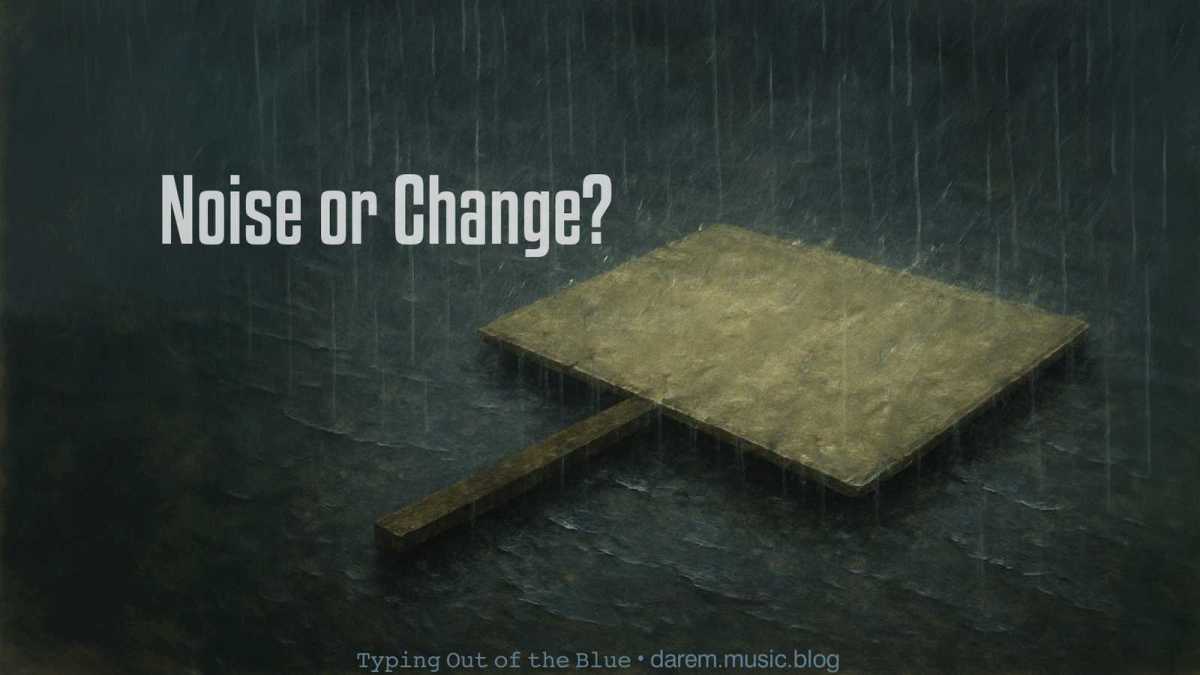
Noise or Change?

A sea of placards can shout “enough,” but what happens after the noise fades?

Rallies have always carried a strange power. A sea of people, shirts in one color, placards lifted high, voices echoing the same demand. It feels righteous, it feels historic—like you’re part of something bigger than yourself. That’s the pro: unity, visibility, the symbolic punch of saying “enough.” It shows the world that silence isn’t an option.

But here’s the con: noise doesn’t equal change. A chant on the street doesn’t put thieves behind bars. A placard won’t erase corruption, poverty, or injustice. At worst, rallies become a ritual—people show up, take photos, go home, and nothing shifts. The system remains untouched.

So where does the truth lie? Somewhere in between. A rally can be a spark, but never the fire itself. It can start a conversation, but it cannot finish it. Real change demands the slow, gritty work—laws rewritten, leaders held accountable, habits unlearned. That’s the part rallies can’t cover.

The danger is when people mistake symbolism for victory. Marching is easy; building honest institutions is not. Unity is loud; reform is quiet, often unseen. Both matter, but one without the other is empty theater.

In the end, rallies are a mirror of us. Do we gather to be seen, or do we gather to begin? If it’s just for the former, then it’s noise dressed as action. But if it pushes us toward the harder road, then maybe the streets really can lead to change.

ᴛʸᵖⁱⁿᵍ ᴏᵘᵗ ᵒᶠ ᵗʰᵉ ʙˡᵘᵉ ᵈᵃʳᵉᵐ ᵐᵘˢⁱᶜ ᵇˡᵒᵍ